
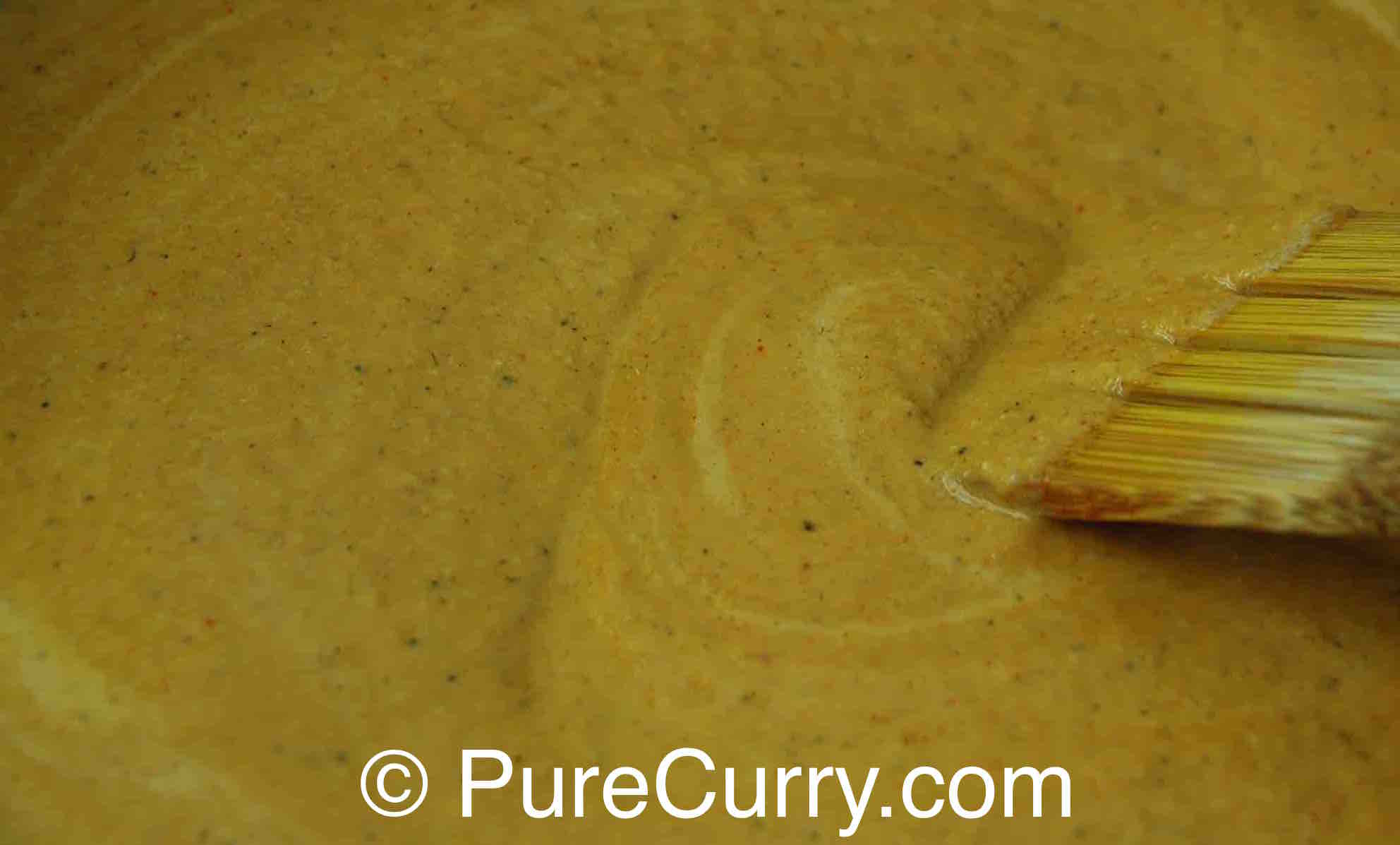
This recipe is part of a series of sauce recipes. Preparing the sauce or the base that creates the foundation of the flavors for the finished dish is often the first step. Learn to cook a sauce and you can prepare a wide range of recipes with a variety of ingredients – meat, vegetables, paneer, potatoes, etc. The sauce is a canvas for your creative expression and I encourage you to deviate from the recipe and vary the selection and quantities of the spices you add to develop a unique recipe for your personal taste.
Mughlai sauce is a rich, silky gravy made with nuts, cream, aromatic spices, and tomatoes. The term Mughlai refers to the cuisine developed in India during the rule of the Mughal Empire, reflecting strong Persian and Central Asian influences – luxurious ingredients, layered flavors, and refined cooking techniques.
Dishes such as Tandoori Chicken, Chicken Biryani, and Shahi Paneer are often associated with Mughlai cuisine.
Mughlai sauce is all about balance – creaminess from nuts and dairy, warmth from spices, gentle heat from chilies, and brightness from tomatoes. Once you master this base, you can adapt it to create countless rich and elegant dishes at home.
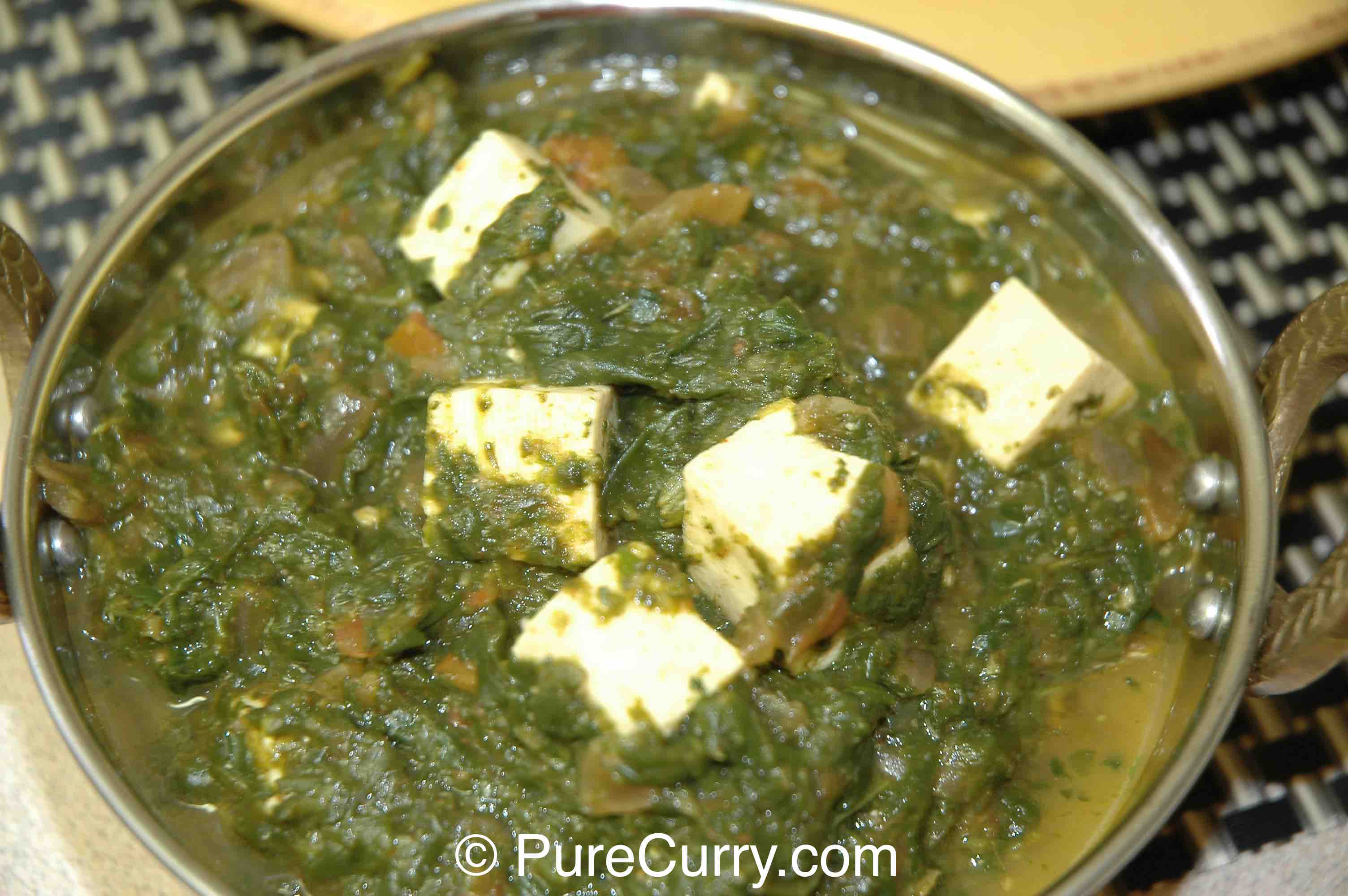
This versatile sauce works beautifully with paneer, chicken, mixed vegetables, koftas, and boiled eggs. Simply add your protein or vegetables to the finished sauce and simmer until cooked through.
Mughlai Sauce vs. Makhani Sauce
A common question is how Mughlai sauce differs from Makhani sauce (as used in Butter Chicken). While both are creamy and tomato-based:
- Mughlai sauce includes onions and cashews, giving it body and depth.
- Makhani sauce typically relies more heavily on butter and cream and often omits onions for a smoother, more tomato-forward base.
The addition of nuts is what gives Mughlai sauce its signature richness and velvety texture.
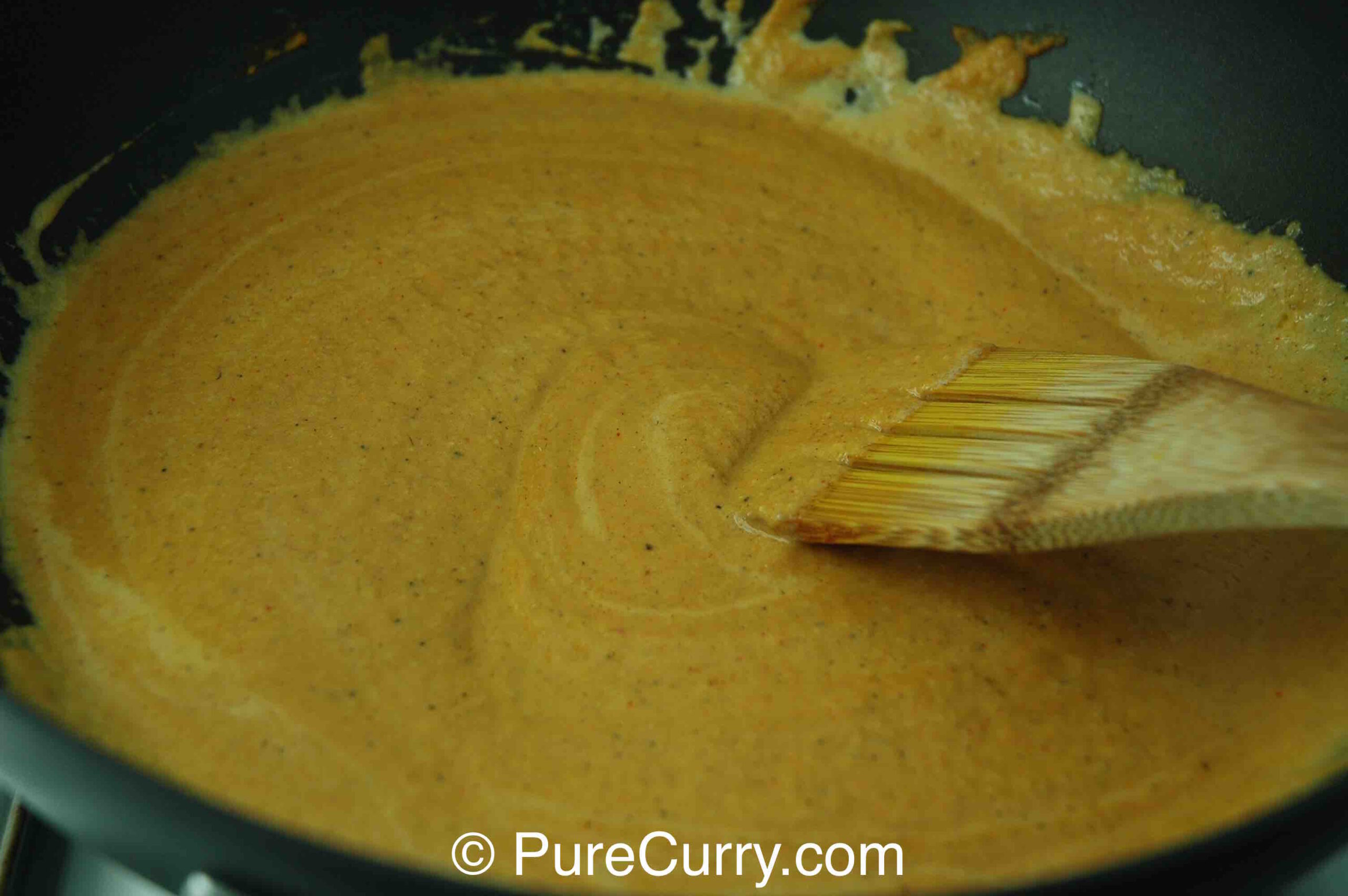
Mughlai Sauce
Ingredients
- 3 tbsp Olive Oil
- 1 cup Red Onions
- 3 cups Tomatoes
- 2 Green Chilies optional
- 1/4 cup Cashew nuts
- 1 tsp Salt to taste
- 1 tbsp Ginger-garlic paste
- 1/2 cup Heavy Cream
- 1/2 tsp Kashmiri Red Chili Powder
- 1 tbsp Coriander Powder
- 1/4 tsp Turmeric Powder
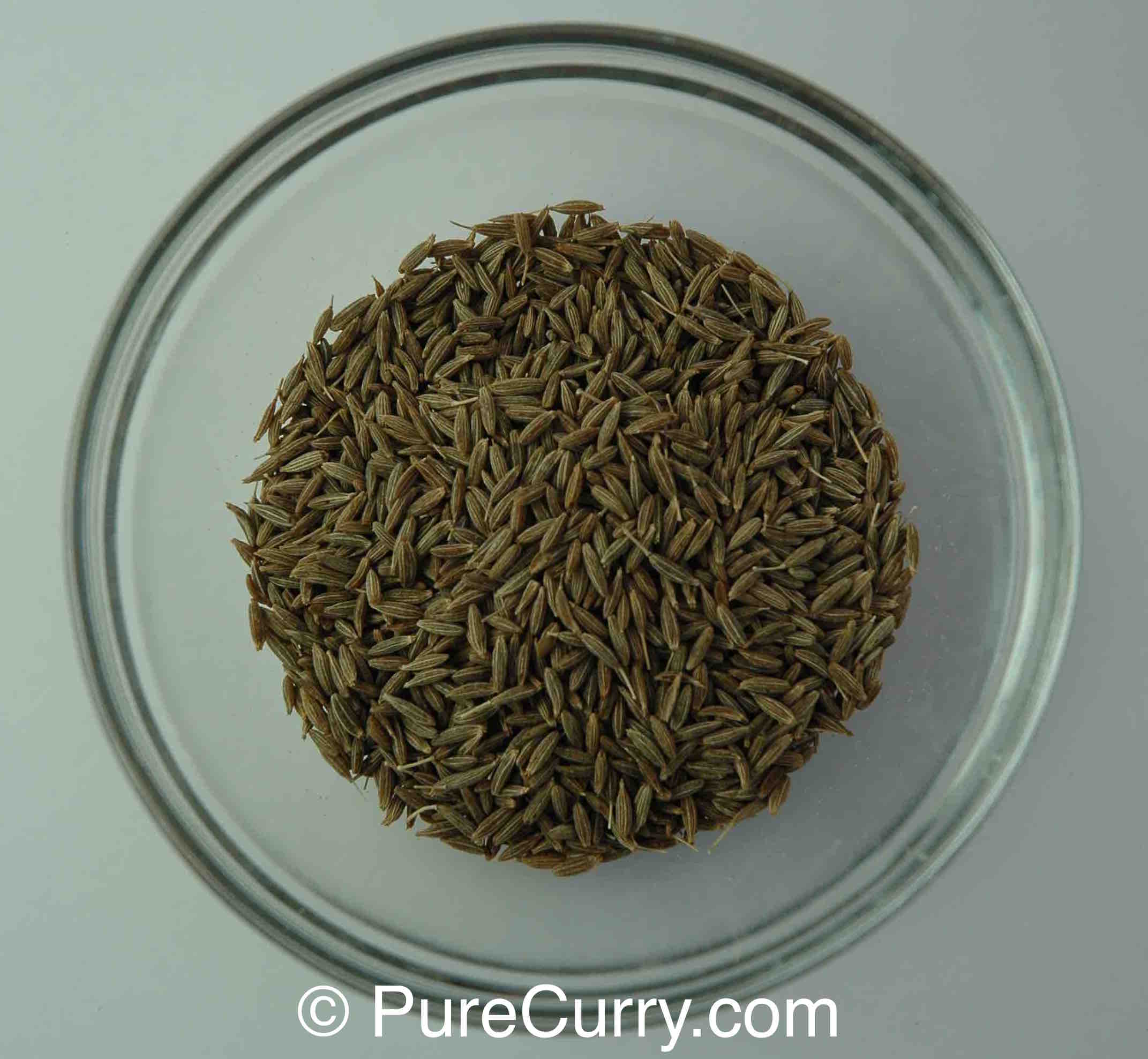
- 1/2 tsp Cumin Powder
- 1/2 tsp Dried Fenugreek Leaves Kasuri Methi
- 1 tbsp Chopped Cilantro
- 1/2 tsp Garam Masala Powder
- Sugar Optional, to taste.
Method
- Heat 2 tbsp oil in a pan on medium heat.
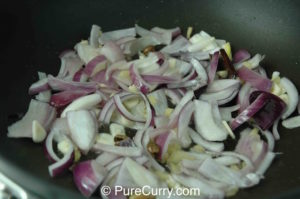
- Add the ginger-garlic paste, green chilies (if using), and onions. Cook for 2–3 minutes until the onions soften. They should become translucent but not browned — this keeps the sauce lighter in flavor and color.
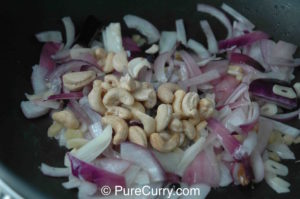
- Add the cashews and cook for another 2–3 minutes, stirring frequently. Lightly toasting them enhances their nutty flavor and ensures a smoother puree.
- Add the tomatoes and about 3/4 teaspoon of salt. Mix well.
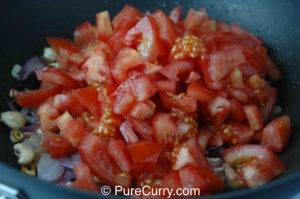
- Add the powdered spices including Red Chili powder, Coriander powder, Cumin powder and Turmeric. Do not add the garam masala yet.
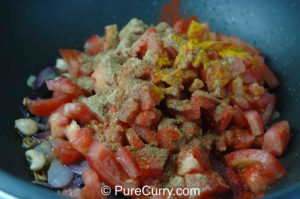
- Cook, stirring occasionally, for 8–10 minutes until the tomatoes completely soften and break down into a thick mixture. If the pan begins to dry out, add a splash of hot water.
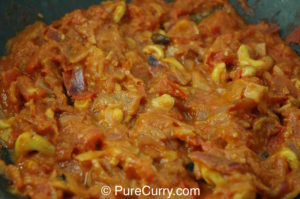
- Turn off the heat and let the mixture cool slightly. Transfer to a blender and puree until completely smooth.
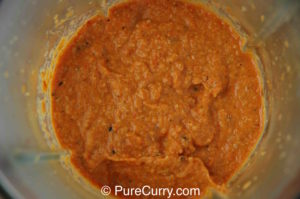
- In a clean pan, heat the remaining 1 tablespoon of oil (or use a combination of oil and butter for extra richness).
- Strain the blended puree into the pan. Straining ensures a restaurant-style smooth texture and removes any coarse bits of onion or cashew.
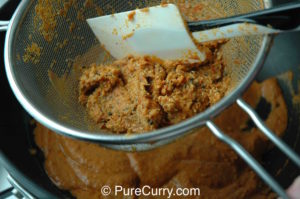
- Simmer for 2–3 minutes.
- Add the heavy cream and mix well.
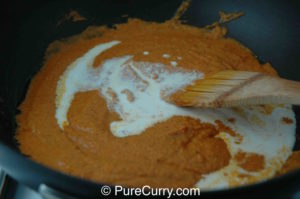
- Crush the dried fenugreek leaves (kasuri methi) between your palms and sprinkle them in. Add the garam masala and stir.
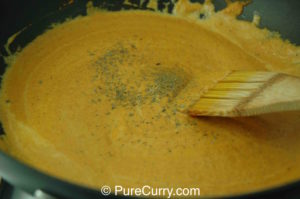
- Taste and adjust the seasoning by adding salt if needed and a pinch of sugar if the tomatoes are too tangy.
Leave a Reply