
“Oompa loompa, doompety doo…” — every time I make Upma, that song from Willy Wonka and the Chocolate Factory somehow makes its way into the kitchen. It’s what my wife things of when she hears “Upma.” What started as a fun joke has now become permanently associated with this comforting dish in our home.
Upma (pronounced oop-ma) is a savory semolina porridge cooked with onions, spices, and vegetables. It’s one of the most popular South Indian breakfast dishes, but its simplicity and versatility make it perfect for any time of day. Light yet satisfying, it comes together quickly with pantry staples and can easily be customized to your taste.

What Is Upma?
Upma is made from semolina (also known as cream of wheat or sooji), which is lightly roasted and then cooked with water, aromatics, and spices until it forms a soft, fluffy, porridge-like consistency.
The defining characteristics of a good Upma are:
- Soft but not mushy texture
- Light, fluffy grains (not sticky or lumpy)
- Balanced flavor with mild heat and brightness from lemon juice
Key Ingredients

Semolina (cream of wheat, sooji) – The base of the dish.
Split black gram (urad dal) – Adds texture and a subtle nutty flavor.
Mustard seeds – Provide a signature nutty, slightly pungent aroma.
Onions – Add sweetness and body.
Green peas – Bring color and a mild sweetness.
Ginger – Adds warmth and depth.
Green chilies (optional) – For heat.
Curry leaves (optional) – For authentic South Indian flavor.
Asafoetida (hing, optional) – Adds umami depth.
💡If you don’t have all the optional ingredients, you can still make a delicious Upma. The core technique matters more than completeness.
Cooking Tips
The Perfect Water ratio
The most important rule for Upma:
👉 Use 3 to 3.5 cups of water for every 1 cup of semolina
- 3 cups → firmer texture
- 3.5 cups → softer, more porridge-like
Preventing Lumps in Upma
Lumps are one of the most common issues beginners face. Here’s how to avoid them:
- Roast the semolina beforehand
- Add semolina gradually while mixing
- Use hot water (not cold)
- Stir continuously after adding water
Tempering the Spices (Flavor Foundation)
The dish begins by heating oil and adding mustard seeds. When they start to pop and release aroma, other ingredients are added.
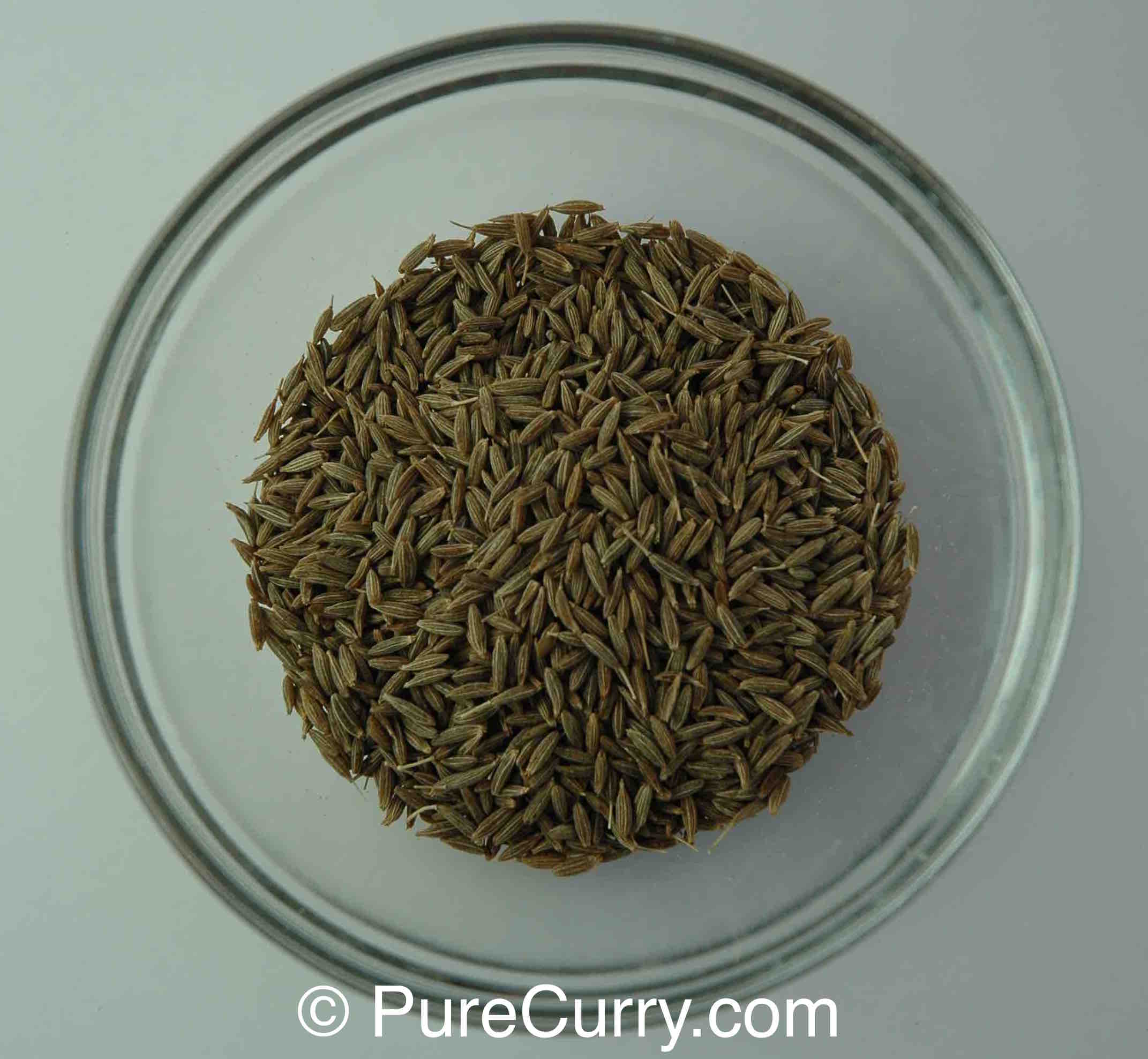
👉 If you’re new to this technique, check out my detailed guide on sizzling cumin seeds—the same principles apply to mustard seeds and help you understand how to properly bloom spices in oil for maximum flavor.
Serving Suggestions
Upma is best served hot, right after cooking. As it cools, it tends to thicken and form lumps.
Before serving:
- Add a squeeze of fresh lemon juice
- Optionally garnish with fresh herbs
You can enjoy it on its own or with yogurt, pickles, or coconut chutney.
Shape Your Upma
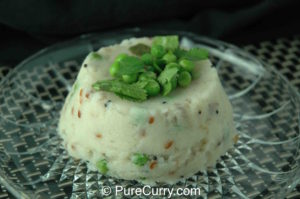
One of the unique characteristics of Upma is that it holds its shape once cooked, making it perfect for creative and playful presentations. This makes it especially fun when serving for special occasions or to children.
You can use small bowls, ramekins, or cookie cutters as molds to shape the Upma into visually appealing forms. Simply pack the warm Upma firmly into the mold, then gently invert it onto a plate to release the shape.
For example, one Valentine’s Day, I used a heart-shaped mold to serve Upma in the shape of a heart – it turned a simple breakfast into something thoughtful and memorable.
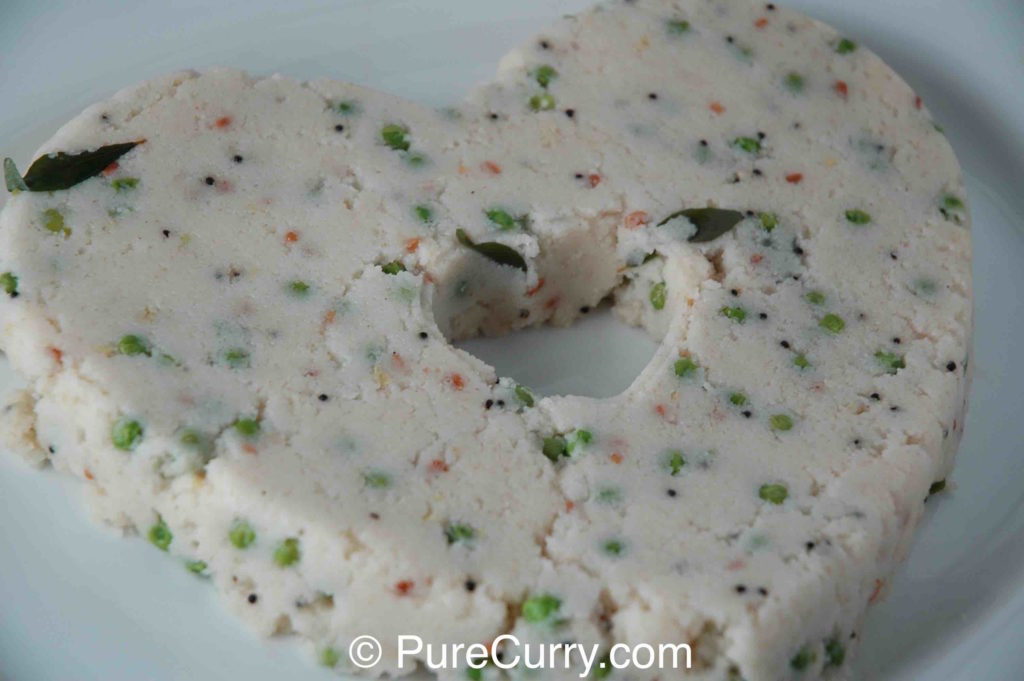
A few ideas to try:
- Use cookie cutters for fun shapes (stars, hearts, circles)
- Pack into small bowls for neat, dome-shaped servings
- Garnish with herbs, grated vegetables, or a lemon wedge for added color
💡Shape the Upma while it’s still warm, as it firms up and becomes harder to mold as it cools.
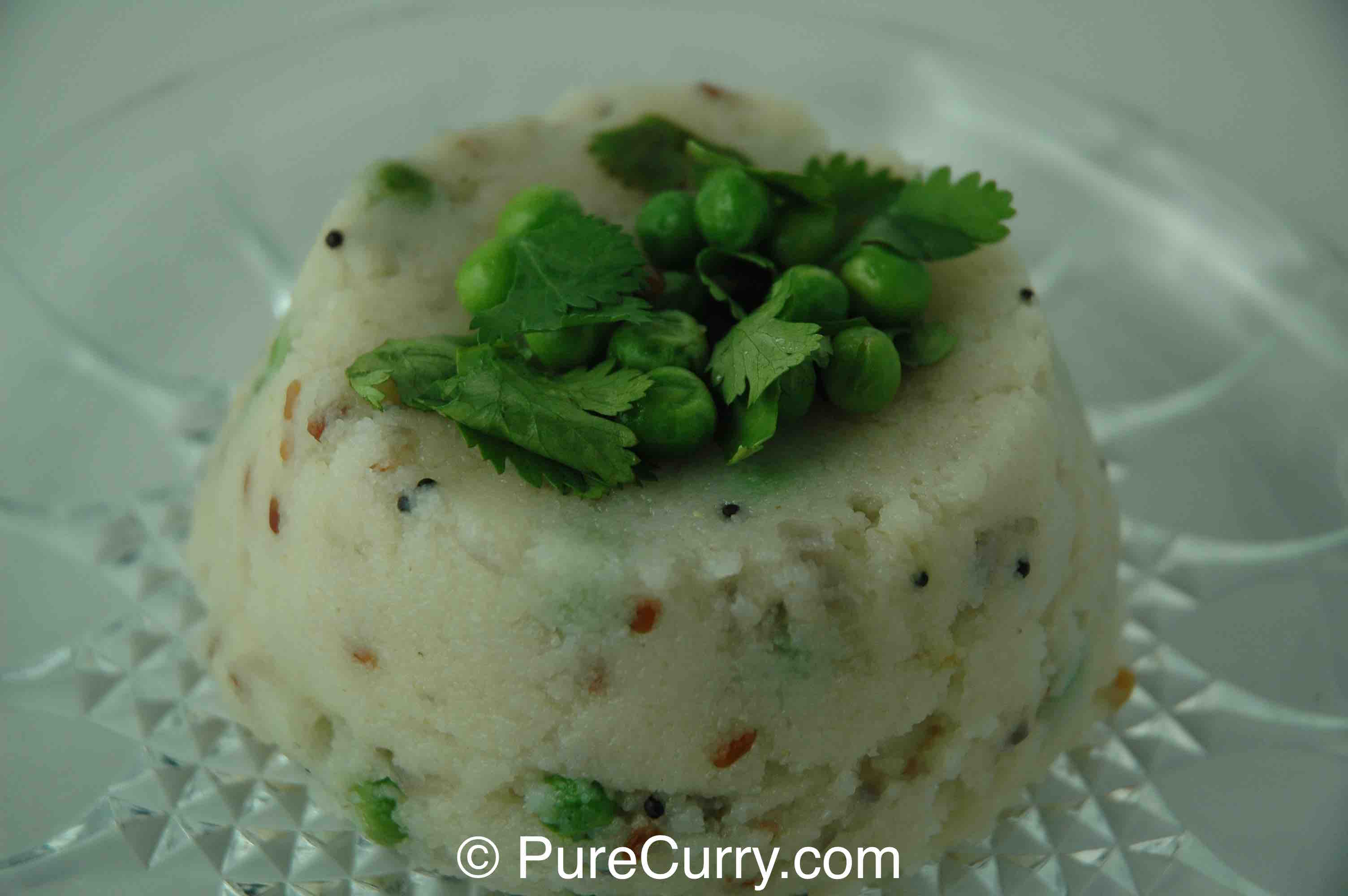
Upma (Savory Semolina Breakfast)
Ingredients
- 1 cup Semolina
- 1 tsp Split Black Gram urad dal
- 2 tbsp Oil
- 1 tsp Ginger finely diced
- 1/2 cup Onions finely diced
- 1/2 cup Green Peas
- 1 tsp Salt adjust to taste
- 3 cups Hot Water
- 1/4 tsp Asafoetida optional
- 1-2 Green Chillies chopped (optional)
- 1 sprig Curry Leaves optional
- 1 tsp Lemon Juice adjust to taste
Method
- Heat a pan over medium heat and dry roast the semolina (cream of wheat) for about 5 minutes.
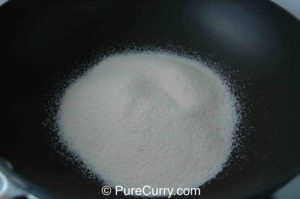
- Stir continuously until it becomes aromatic and slightly changes color (do not brown). Remove and set aside.
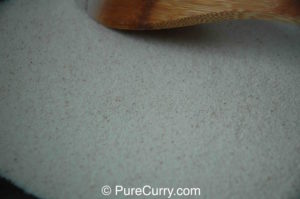
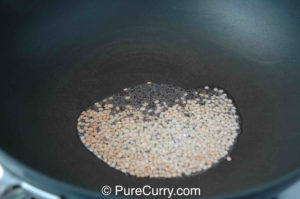
- In a pan, heat the oil and add the Mustard Seeds. When the Mustard Seeds start to sizzle, add the Split Black Gram. Sauté until it turns light golden brown.
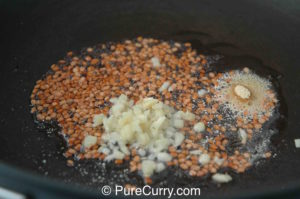
- Add finely chopped ginger and asafetida (hing), and sauté briefly until fragrant.
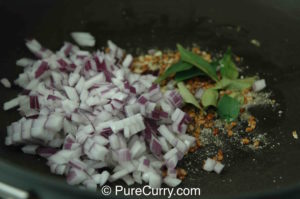
- When the Ginger is lightly browned, add chopped onions and curry leaves (if using). Cook for 3 to 4 minutes until the onions turn soft and slightly translucent.
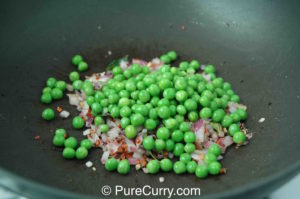
- Add green peas and optional chopped green chilies. Stir and cook for another minute.
- Add the roasted semolina and salt. Mix well to combine.
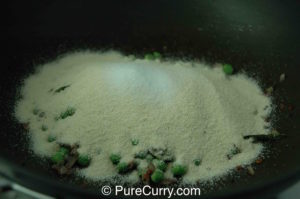
- Carefully add 3 cups of hot water while stirring continuously to prevent lumps.
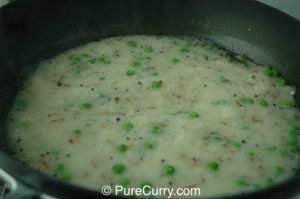
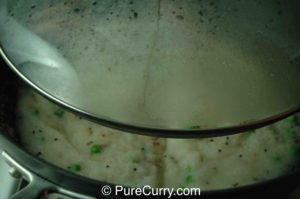
- Cover the pan and cook on low heat for about 5 minutes, or until the water is fully absorbed.
- Turn off the heat, fluff gently with a spoon, and finish with fresh lemon juice to taste.
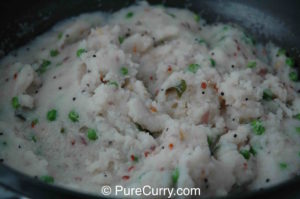
- Upma tends to become lumpy when it cools, and so it is best served hot.
Leave a Reply