
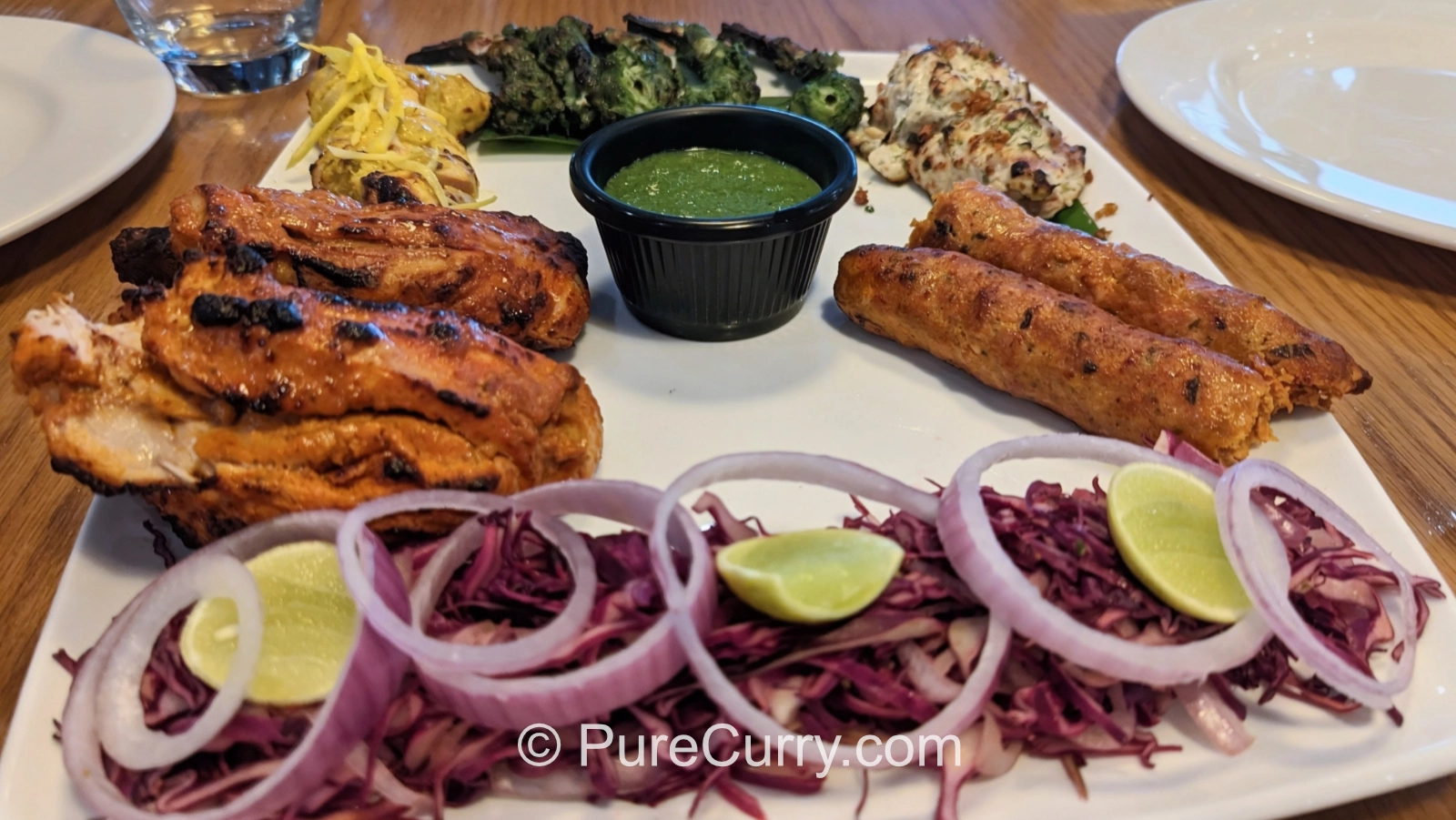
Tandoori cooking is a classic North Indian technique known for its bold spices, yogurt-based marinades, and high-heat roasting that creates smoky, charred flavors. Traditionally prepared in a clay tandoor oven, this method produces tender, deeply seasoned meats with a signature crust – flavors we can recreate at home with the right marination and cooking approach.
Tandoori marinade is the foundation of many classic dishes in Mughlai cuisine. Whether you’re preparing chicken, lamb, goat, or fish, understanding how the marinade works, and how to adapt it to different proteins, makes all the difference between average and exceptional results.
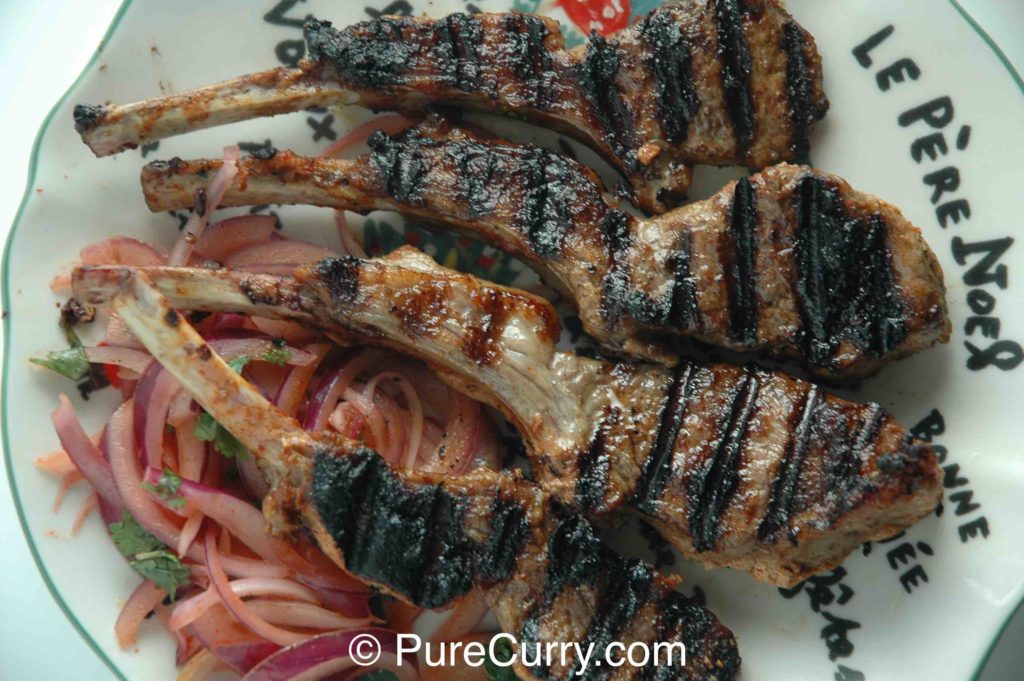
This post brings together the essential techniques behind marinating for tandoori-style cooking.
What Makes a Tandoori Marinade Unique?
A traditional tandoori marinade is yogurt-based and includes:
- Ginger-garlic paste
- Kashmiri red chili powder
- Garam masala
- Salt
- Lemon juice
- Oil or mustard oil
The yogurt tenderizes gently through lactic acid while also helping spices adhere to the protein. The oil carries fat-soluble spice compounds and promotes caramelization during high-heat cooking.
But technique matters just as much as ingredients.
The Two-Step Marination Method
For deeper flavor and better texture, I recommend a two-step marination process – especially for chicken and red meats. This layered method creates better internal seasoning, more balanced tenderness, and a richer, more complex crust. While you can combine everything into one step for convenience, the two-step method produces superior results.
Step 1: Acid & Salt Marinade
First, coat the protein in lemon juice, salt, and a small amount of ginger-garlic paste and chili powder. Let this sit for 20-30 minutes in the refrigerator.
Step 2: Yogurt Spice Marinade
Apply the full yogurt-based marinade and refrigerate for at least 2 hours, preferably overnight (8 hours).
🧪The Science: How the Two-Step Marination Impacts the Protein
Step 1: Acid + Salt + Aromatics (Pre-Marination)
This first layer does several important things:
- Salt Penetration: Salt begins diffusing into the meat immediately. This seasons the chicken internally, not just on the surface.
- Acid Tenderizing: Lemon juice slightly denatures surface proteins. This helps the second marinade cling better. It also begins softening tougher muscle fibers.
- Flavor Infusion: Ginger-garlic and chili start penetrating the scored cuts. Because there’s no yogurt yet, the acid and salt contact the meat directly.
Think of this as a flavor primer layer.
Step 2: Yogurt-Based Marinade
The yogurt mixture does something different:
- Yogurt tenderizes more gently than lemon (lactic acid vs citric acid).
- Fat from yogurt and oil carries fat-soluble spice compounds.
- Garam masala blooms in the fat.
- The thick coating protects the meat during high-heat cooking.
This layer builds depth, aroma, surface char complexity and the classic tandoori crust.
Protein-Specific Considerations
Not all proteins behave the same way in a tandoori marinade.
Chicken
- Marinate at least 2 hours, ideally overnight.
- Bone-in pieces retain moisture better.
- Make deep slits so the marinade penetrates fully. See the Tandoori Chicken recipe for guidance on where to score a leg piece.
Lamb & Goat
- These meats are richer and more robust.
- Marinate overnight for best results.
- If the meat is firm or mature, consider adding a small amount of tenderizer (such as raw papaya paste).
- Slightly deeper spice notes (like extra cumin or nutmeg) complement red meats well.
Fish
- Fish is delicate and absorbs marinade quickly.
- Marinate for only 30 minutes to 1 hour.
- Do not use tenderizer.
- Avoid overly acidic marinades — too much lemon can “cook” the fish.
- Handle gently to prevent breaking.
The key difference: red meats need time, chicken needs penetration, and fish needs restraint.
Proper Marination Technique
- Always marinate in the refrigerator.
- Make deep cuts in thicker proteins and rub marinade inside the slits.
- Massage the marinade thoroughly to ensure even coating.
- Use a non-reactive bowl (glass or stainless steel).
- Bring meat closer to room temperature before cooking for even heat distribution.
Cooking for the Best Tandoori Effect
Traditional tandoor ovens cook at extremely high temperatures. At home, we replicate this by:
- Preheating the oven thoroughly.
- Roasting at high heat (up to 500°F).
- Placing the protein on a rack so air circulates.
- Brushing lightly with oil or ghee before and during cooking.
- Finishing under the broiler for char.
That final high-heat exposure is what creates the signature tandoori crust and slight smokiness.
About the Red Color
Many restaurant-style tandoori dishes use red food coloring for visual impact, especially with white proteins like chicken or fish.
My preference is more natural.
Instead of artificial coloring, I baste the protein halfway through cooking with Kashmiri red chili powder mixed into oil. This enhances the color while also intensifying flavor.
The result is vibrant but authentic and entirely flavor-driven.
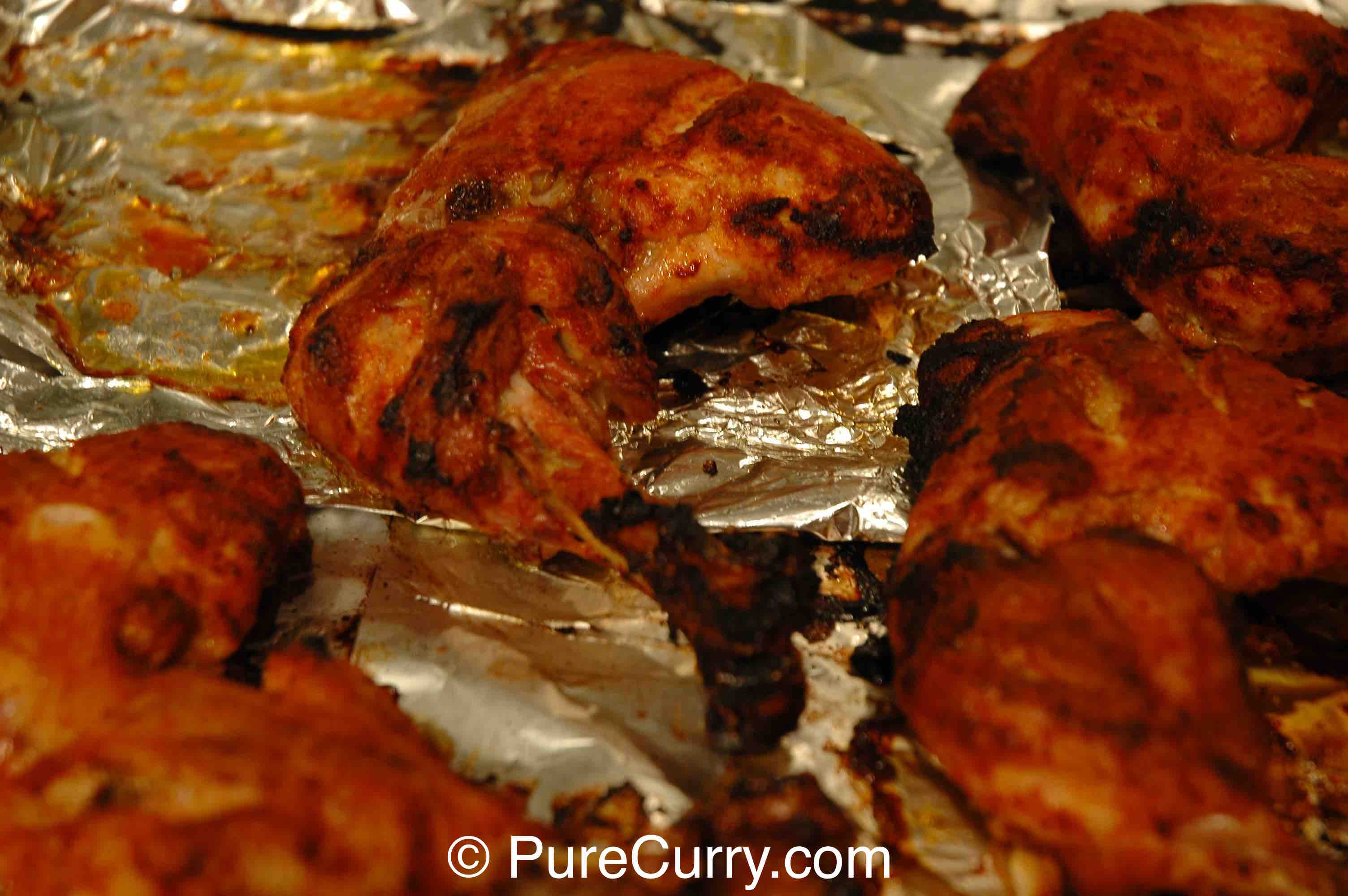
Tandoori marinade is simple in ingredients but powerful in technique. The balance of yogurt, spice, salt, and high heat creates dishes that are deeply flavorful, tender, and beautifully charred.
Master the marinade, understand your protein, and high-heat cooking will do the rest.
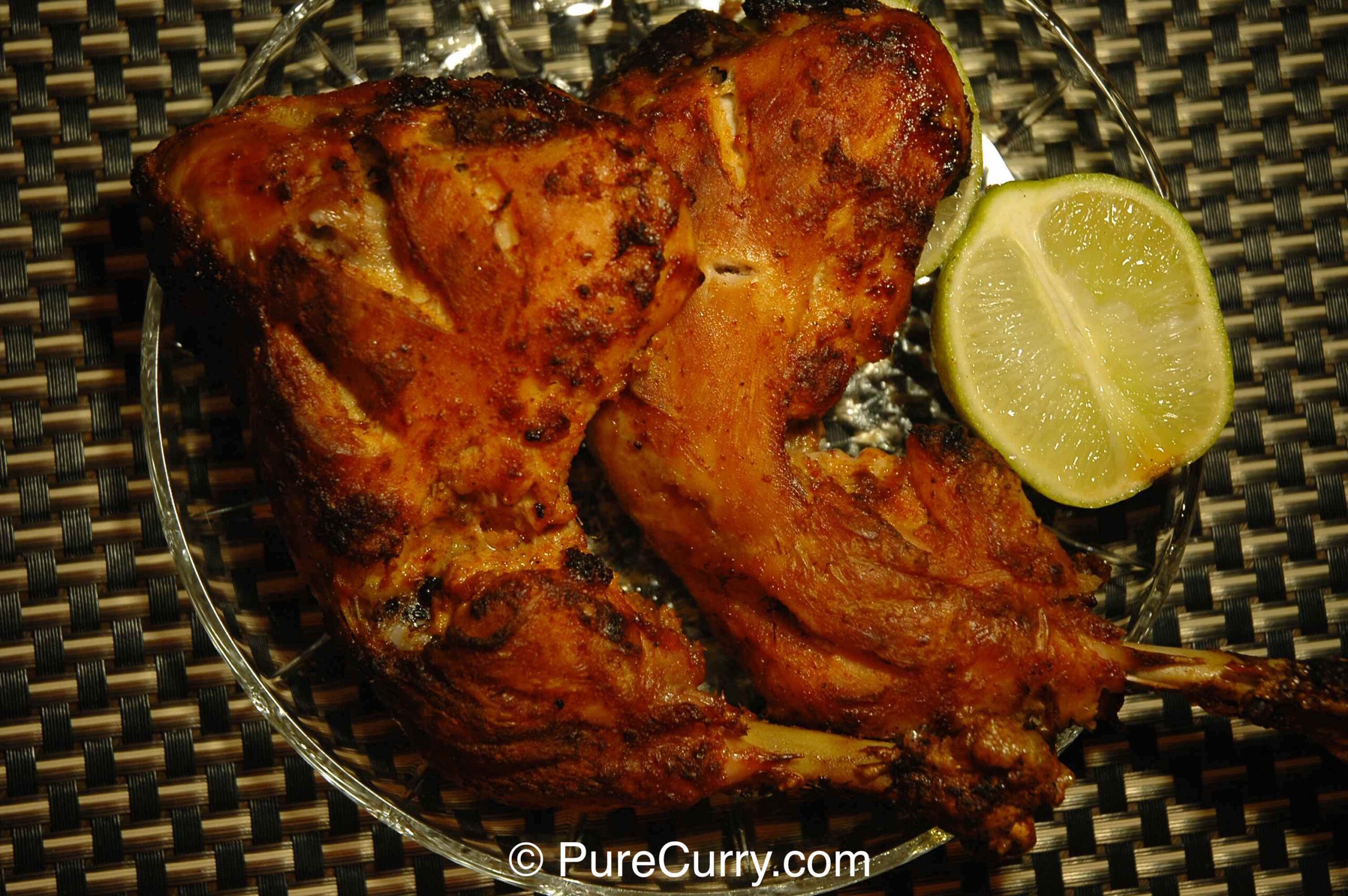
Tandoori Cooking
Ingredients
- 1/2 cup High smoke point oil such as Canola Oil, Peanut or Avocado Oil
- 2 tsp Kashmiri Red Chili Powder or Smoked Paprika
- 1 tsp Garam Masala Powder
- 1/4 tbsp Lemon Juice
- 1 tbsp Green Chillies, chopped optional, to add heat
- 2 tbsp Ginger-garlic Paste
- 1/8 tsp Nutmeg powder when cooking red meat
- 1 tsp Cumin Powder
- 1/2 cup Greek Yogurt
- 2 tbsp Raw Papaya Paste or other tenderizer, if your protein requires it
- 2 tsp Salt
Method
- Mix Ginger-garlic Paste, Kashmiri Red Chili Powder, Salt in about 2-3 tbsp of Lemon Juice. Apply this to the protein and let it sit in the fridge for about 20-30 minutes.
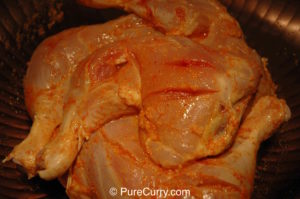
- In a large bowl combine the yogurt, Ginger-garlic Paste, Kashmiri Red Chili Powder, Garam Masala, Salt and Oil. TIP: Since we already used with the first marinade, when you add salt to the yogurt it should not taste too salty.
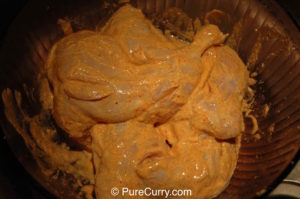
- Whisk all of these ingredients together so they are mixed well.
- Apply this marinade to the protein, coating it well on both sides and especially make sure that the marinade gets into the cuts. Let the chicken marinate in the fridge for at least 2 hours, preferably overnight.
- You can cook the meat in the oven at high temperature around 450-500 F, or cook it directly on a grill.
- When cooking in the oven be sure to broil the meat towards the end of the cooking to give it the grill-like or tandoor-like finish.

Notes
- The first marinade (lemon juice, salt, and spices) directly seasons and tenderizes the protein. This helps the flavors penetrate more deeply into the meat.
- The second marinade (yogurt, spices, and oil) builds richness and forms the flavorful coating that creates the classic tandoori crust when cooked at high heat.
- 1 tbsp Ginger-Garlic Paste
- 2 tsp Kashmiri Red Chili Powder
- 1 tbsp Garam Masala
- 1 ½ tsp Salt
- 2-3 tbsp Lemon Juice
- 1 tbsp Oil
- ½ cup Yogurt
Leave a Reply