
Why Cook with Ground Lamb?
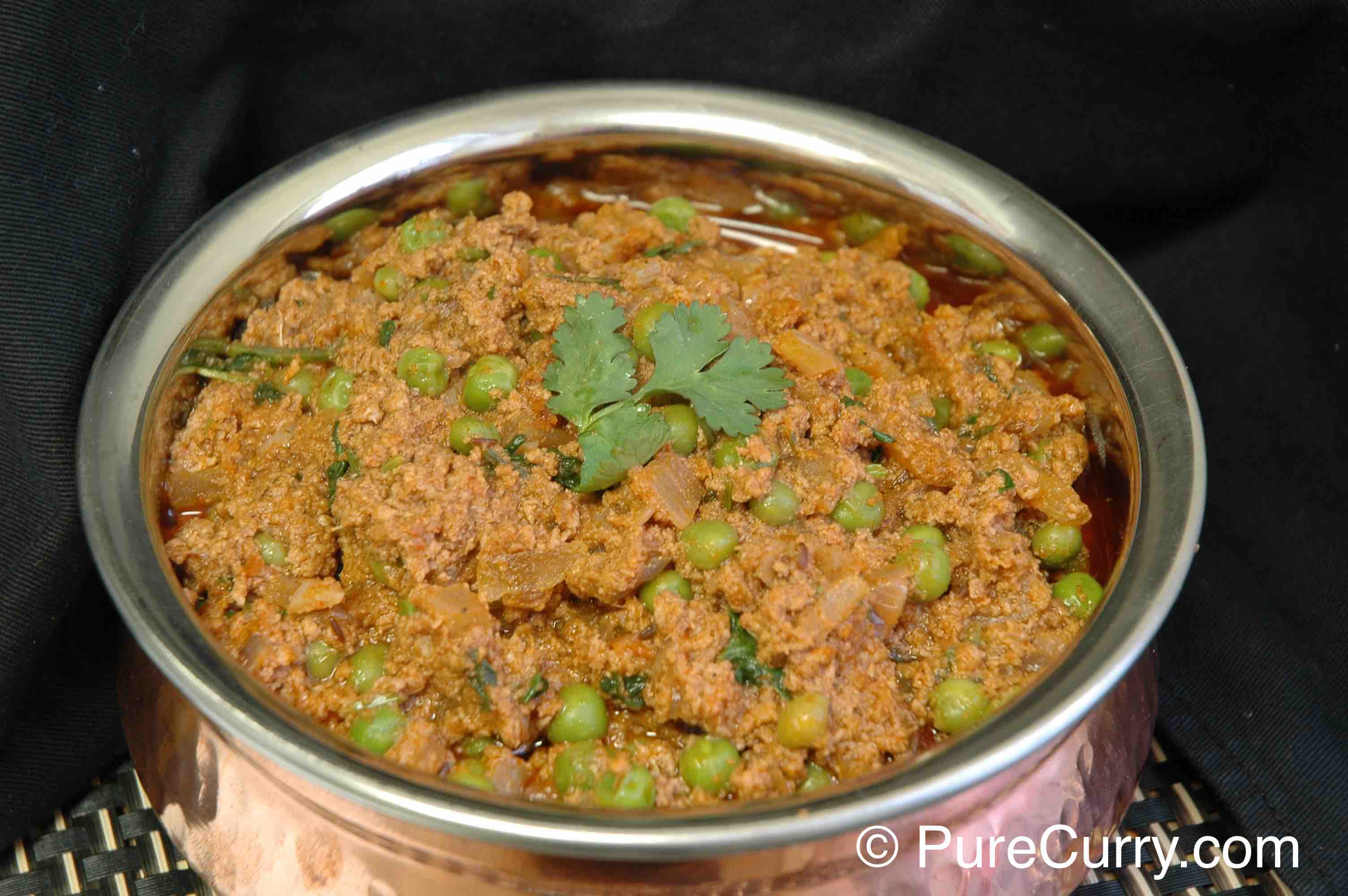
Ground lamb is one of those underrated ingredients that quietly carries so much flavor. Made by finely mincing cuts like the shoulder or leg, ground lamb has a richer, more complex taste than ground chicken or turkey and a naturally juicy texture, thanks to its higher fat content. That richness is exactly what makes it such a star in dishes that rely on deep, layered flavors, such as Indian cuisine. I cook ground lamb and chicken often since they are low effort and make it easy to put together a satisfying meal on short notice.
Nutritional Benefits of Ground Lamb
Nutritionally, ground lamb is a good source of high-quality protein, iron, zinc, and vitamin B12. While it is more calorie-dense than some other ground meats, its richness often means you need less to feel satisfied. A smaller portion can go a long way, both in flavor and satiety.
How to Buy and Store Ground Lamb
When buying ground lamb, look for meat that’s fresh and pinkish-red with a clean smell. Store it in the refrigerator and use it by the “use or freeze by” date, or freeze it for later use. Always thaw ground lamb in the fridge, not on the counter, to maintain food safety. I typically purchase lamb in sealed one-pound multi-packs, and if I don’t plan to use them right away, I put them straight into the freezer, regardless of the printed date. Having it on hand makes weeknight cooking effortless.
Ground Lamb in Global Cuisines
Across Middle Eastern, Mediterranean, North African, and South Asian cuisines, ground lamb appears in everything from koftas and kebabs to curries, meatballs, and savory pies. In Indian cooking, it’s often referred to as keema and is simmered with onions, ginger, garlic, green chilies, and warm spices like cumin, coriander, and garam masala. The meat absorbs spices beautifully, making it ideal for bold, aromatic recipes where every bite carries depth.
How to Balance Lamb’s Flavor
If you’ve ever hesitated because of lamb’s reputation for being “gamey,” the secret lies in how you season it. Ingredients like garlic, ginger, yogurt, tomatoes, lemon juice, fresh herbs, and spices such as cumin, paprika, cinnamon, and coriander balance the richness and enhance lamb’s natural warmth instead of overpowering it. When layered thoughtfully, these flavors transform lamb into something fragrant, savory, and deeply comforting.
Why This Lamb Keema Recipe Works
In this recipe, ground lamb shines because it’s paired with classic Indian aromatics and spices in a traditional keema preparation. The result is a dish that’s bold, comforting, and deeply satisfying—perfect served over fluffy basmati rice, scooped up with warm naan, or even tucked into soft bread rolls for a casual meal.
Browning the Lamb (or not)
There are two slightly different approaches to making keema, and both are valid — the choice comes down to texture and flavor preference.
If you prefer a softer, more cohesive keema where the meat blends smoothly into the masala, you can skip browning. Mixing the ground lamb with water at the beginning allows it to cook gently and break down evenly. The result is tender, moist, and beautifully integrated with the spices.
If you enjoy deeper, roasted flavors and a slightly crumbly texture, browning the lamb first is a great option. When the meat caramelizes in the pan, it develops richer, savory notes that add complexity to the finished dish. This method creates more distinct pieces of meat rather than a softer consistency.
Neither method is “right” or “wrong.” Traditional home cooks use both approaches depending on preference, region, and even mood. If this is your first time making keema, you might try it one way now and the other next time to see which you prefer.
Personally, I use the no-browning method for convenience and texture, while my wife prefers the added depth that comes from browning first. You can adapt it to your taste.
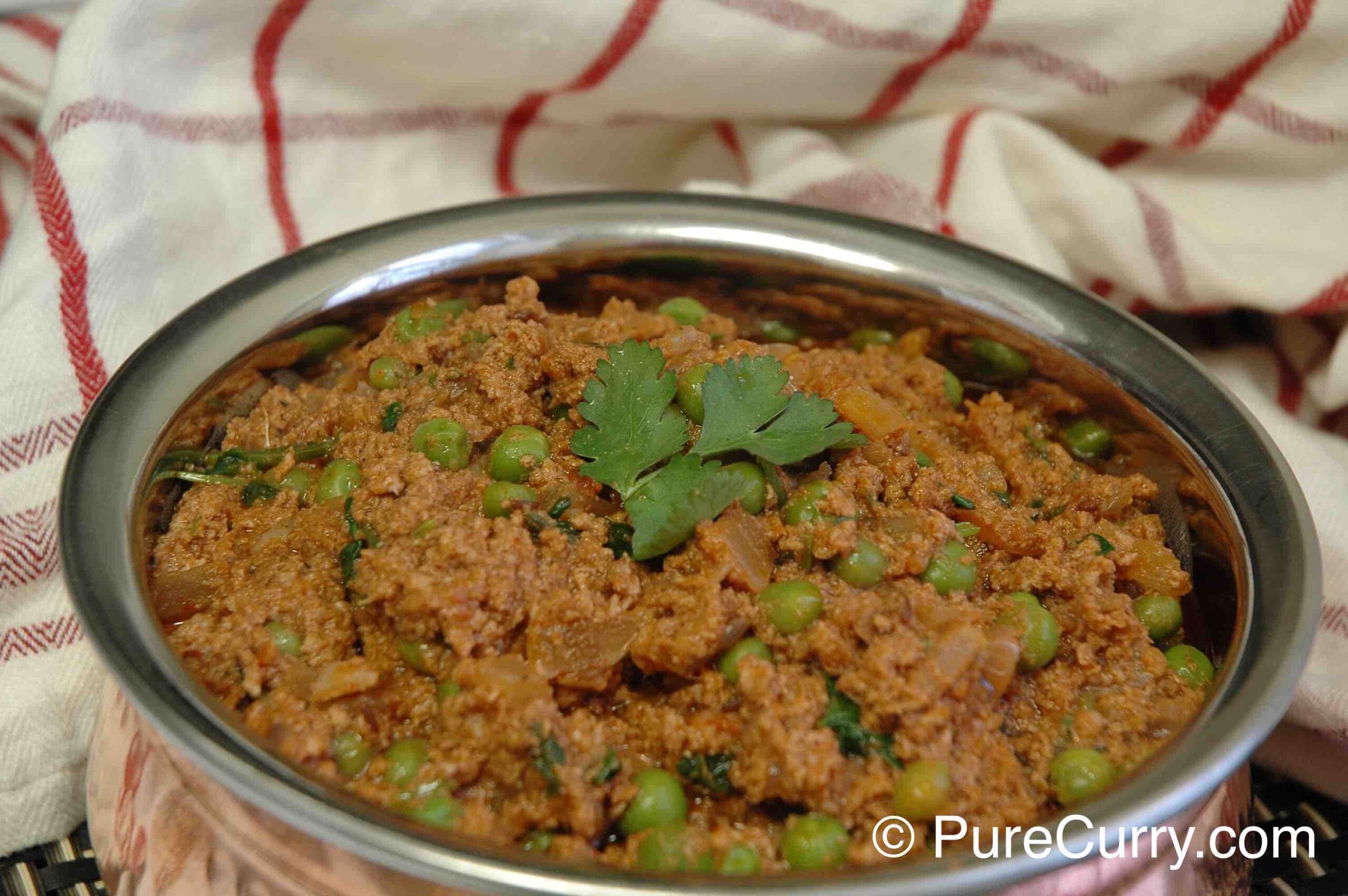
Lamb Keema (Curried Ground Lamb)
Ingredients
- 1 pound Ground Lamb
- 2 cups Diced Red Onions
- 1 cup Green Peas
- 1 cup Tomato Puree
- 1/2 cup Chopped Cilantro
- 1 tbsp Ginger-garlic Paste
- 1 tbsp Olive Oil
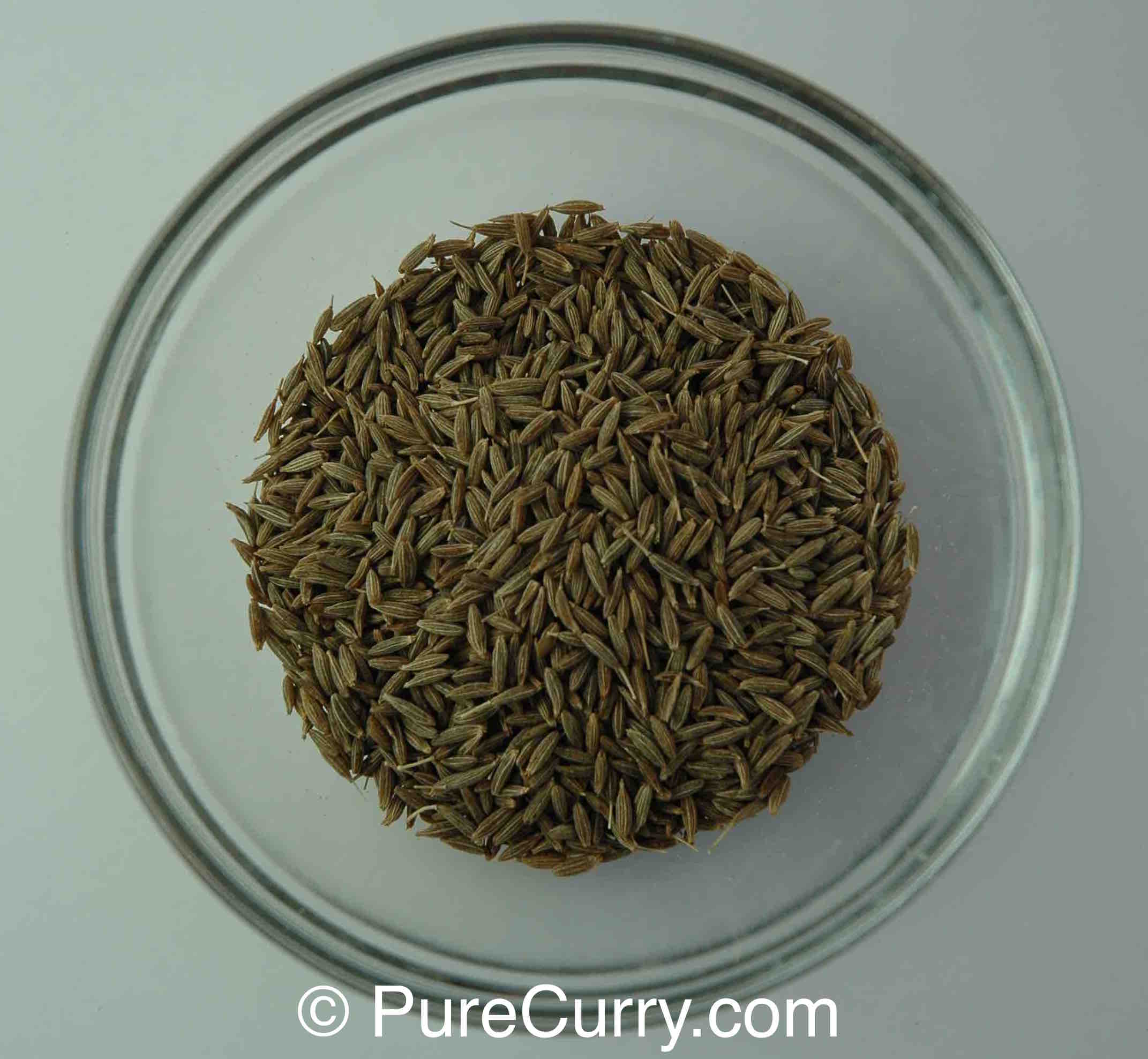
- 1 tsp Cumin Seeds
- 2 Green Cardamom
- 2-3 Cloves
- 1 Bay Leaf
- 1 ″ piece of Cinnamon
- 1 tbsp Coriander Powder
- 1/2 tsp Kashmiri Red Chili Powder optional
- 1 tsp Garam Masala
- 1/2 tsp Dried Fenugreek Leaves “Kasuri Methi”
- 1 tsp Salt adjust to taste
Method
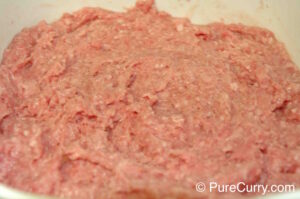
- In a bowl add the ground lamb and 1/2 cup water and mix well using a circular motion; add more water gradually if needed. The ground lamb should lose the stringy texture and become a paste which prevents lumps from getting formed when you cook it.
- Boil the peas on the stove or in a microwave for about 2 minutes until tender, drain the water and put aside.
- Heat the oil in a nonstick pan, add the cumin, cardamom, cloves, cinnamon and bay leaf.
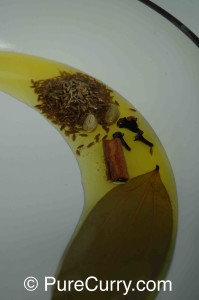
- When the cumin seeds start to sizzle, add the ginger-garlic paste and fry it for until it turns brown (about 1 minute).
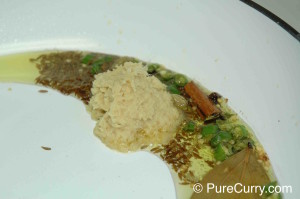
- Add the onions to the pan and fry for about 10 minutes. When you add the onions sprinkle a little salt over them to speed up the cooking. Time to brown will vary based on your heat source, pan, etc.
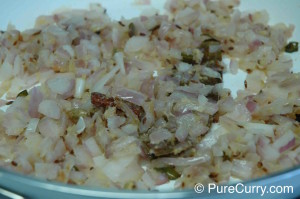
- When the onions are translucent to lightly browned add the tomato puree, coriander powder, red chili powder and salt and mix well and cook the tomatoes which should take about 10 minutes. The tomato puree and onions become a thick paste with the onions indistinguishable and you’ll see the oil separating out of it.
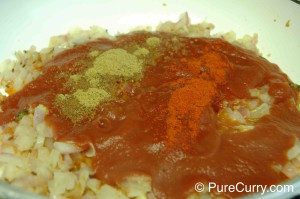
- Mix the lamb and the onion-tomato base well and continue cooking on medium for another 10-12 minutes stirring frequently. You’ll notice that stirring the lamb into the onion-tomato base is a little tough at first but within 2-3 minutes as the lamb starts cooking it becomes easy to stir it.
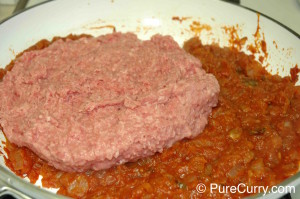
- Cook the lamb on medium for about 20 minutes; when the lamb is cooked after about 10 minutes you'll see a change in color. Add the green peas, mix them in and cook for another 5 minutes or until the peas are tender (check by squishing one of the peas with your spatula).
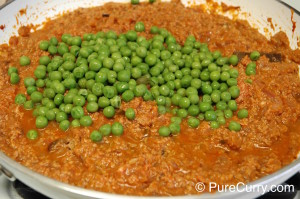
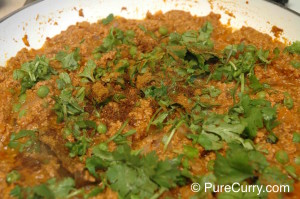
- Add the garam masala and chopped cilantro and mix well.
Nutrition
Notes
- Heat your pan over medium heat.
- Add the ground lamb without additional oil (it will release its own fat).
- Break it up with a spoon as it cooks.
- Cook just until the meat is no longer pink.
Leave a Reply