
Indian Bitter Gourd—commonly known as karela—is one of the most intensely bitter vegetables used in cooking. And yet, when prepared thoughtfully, it transforms into a beautifully balanced dish with layers of bitter, sweet, sour, and spicy flavors.
This is one of those foods I grew to love over time. Like many people, I didn’t naturally gravitate toward bitterness – but repeated exposure (thanks to my parents for not tolerating fussy eating!) changed that completely. Today, karela is one of my favorite vegetables, not just for its flavor, but also for its reputed health benefits.
Bitter gourd (karela) has been studied for its potential to help regulate blood sugar levels, thanks to compounds like charantin and polypeptide-p, which may improve glucose metabolism. It’s also a good source of vitamin C and antioxidants, which support immune function and help protect the body from oxidative stress.
If you’re curious about why karela tastes the way it does, and how to control that bitterness – check out my Mastering Bitterness: The Science of Karela series, where I break down the biology and cooking techniques behind it.
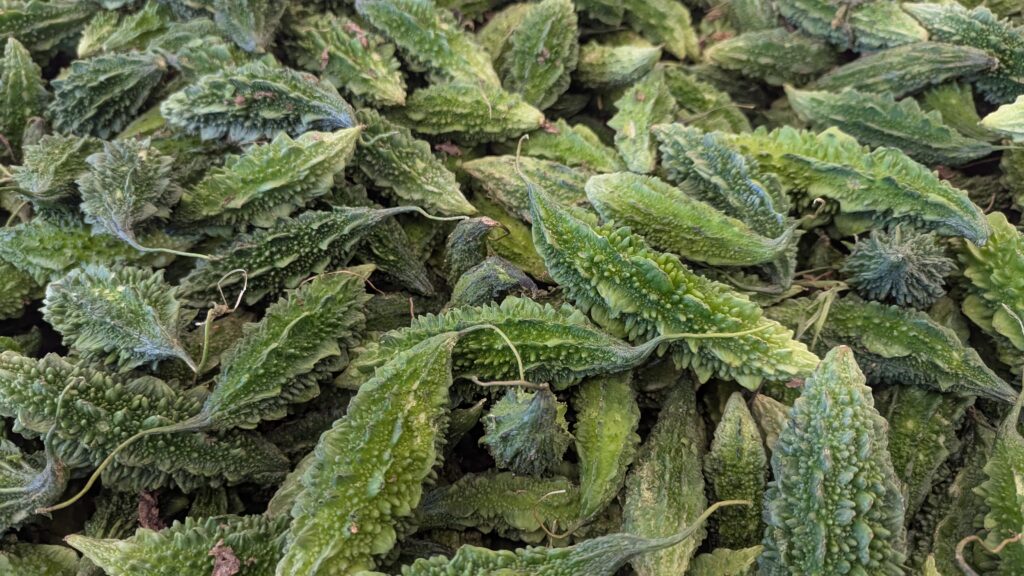
Selecting Bitter Gourd
In the United States, bitter gourd is widely available year-round at Indian and other Asian grocery stores, both fresh and frozen.
When buying fresh bitter gourd, choose gourds that are firm and bright green. Avoid those that feel soft, hollow, or overly bumpy, as they are likely overripe and more bitter.
Reducing Bitterness
Before cooking, karela is typically treated to reduce its bitterness:
- Salt Rub Method (used in this recipe): Salt draws out bitter compounds through osmosis
- Boiling Method: Briefly boiling in salted water also reduces bitterness
- Balancing After Cooking: A small splash of milk can mellow any remaining harshness
This recipe peels the gourd to further reduce bitterness, but if you enjoy a stronger flavor, you can leave the skin on.
How This Dish Builds Flavor
This is a simple, dry-style preparation where each step builds depth:
Pan-frying the karela develops caramelized, slightly crisp edges
Onions add sweetness to balance bitterness
Coriander powder brings warmth and earthiness
Dried mango powder (amchur) adds a subtle tang that brightens the dish
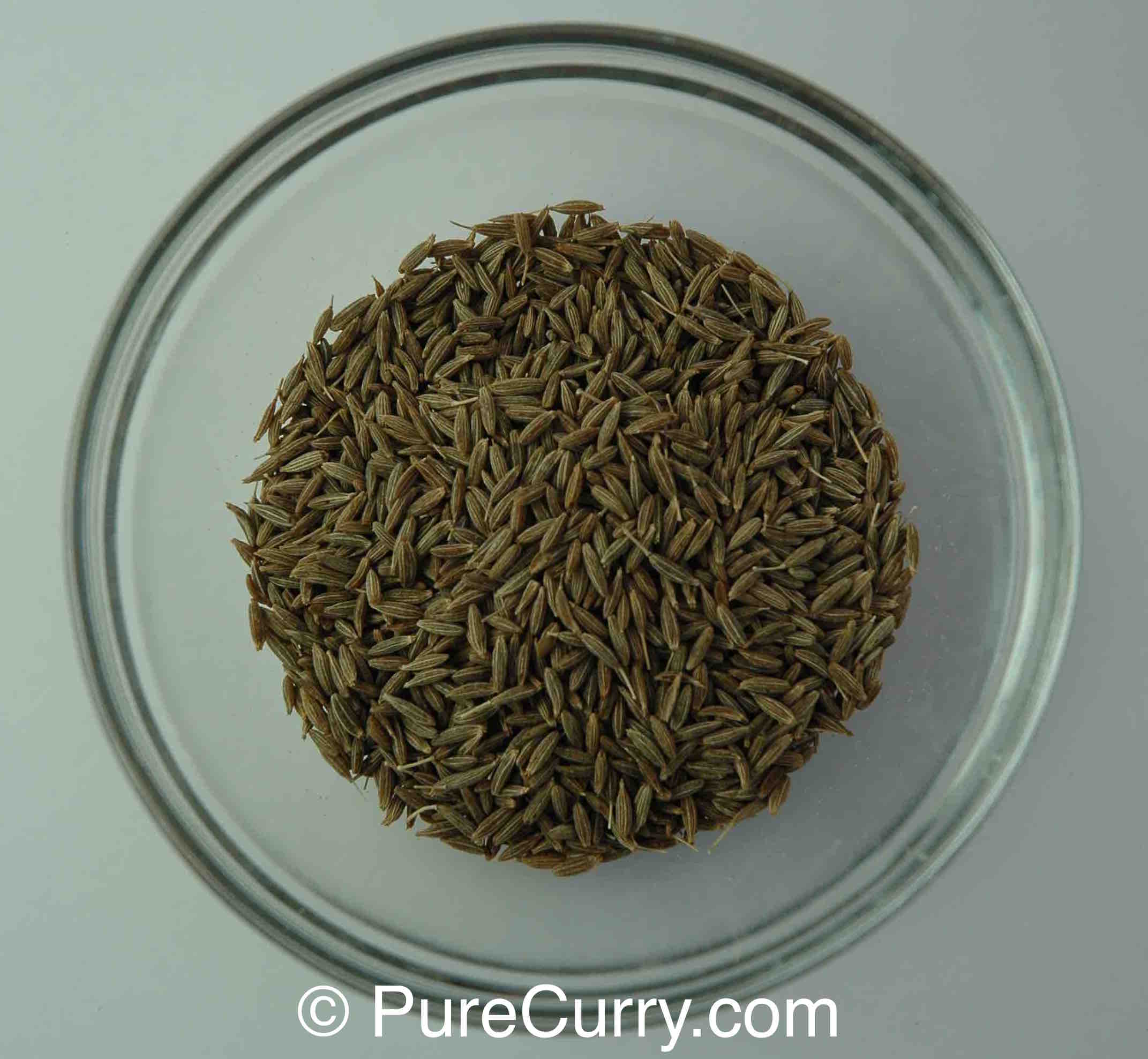
If you want to deepen your understanding of tempering spices, especially cumin seeds, you may find my post on sizzling cumin seeds helpful as a companion technique.
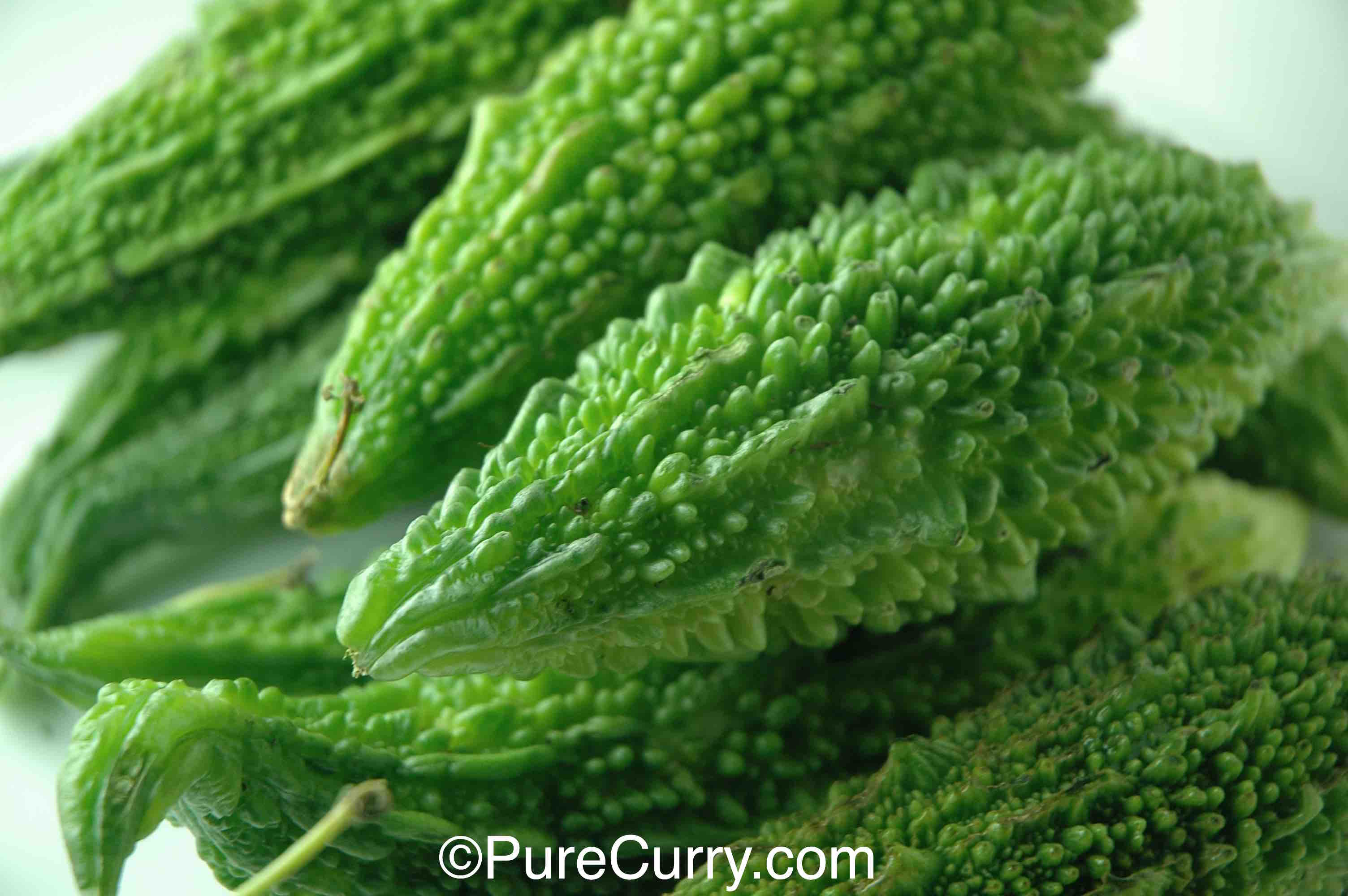
Bitter Gourd (Karela)
Ingredients
- 3 tbsp Olive Oil or other oil of your choice
- 1 lb Bitter Gourd Karela
- 1 Onion medium size, sliced
- 1 tsp Salt adjust to taste
- 1 tsp Coriander Powder
- 1/2 tsp Dried Mango Powder amchur, adds sourness/acidity
- 1/2 tsp Kashmiri Red Chili Powder optional
Method
- Lightly scrape the outer skin using a paring knife.
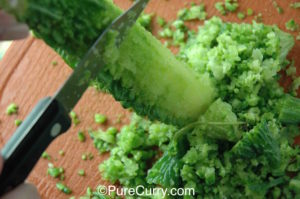
- Wash the gourds to remove any residual pieces of skin.
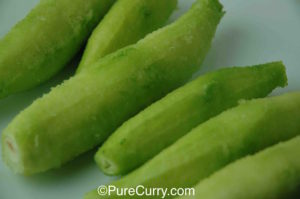
- Rinse thoroughly, then cut into thin round discs (about 1/4–1/2 cm thick). Remove and discard large seeds.
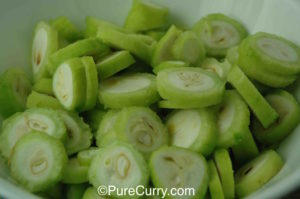
- Sprinkle 1 teaspoon salt over the slices and rub evenly. Set aside for at least 60 minutes.
- Rinse well to remove excess salt, then squeeze the slices firmly to remove as much water as possible.
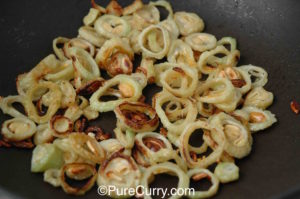
- Pan-fry the bitter gourd: Heat 2–3 tablespoons oil in a heavy-bottomed pan over medium heat, add the bitter gourd and cook, stirring occasionally, until browned (8–10 minutes).
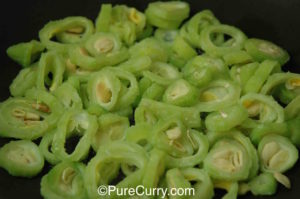
- Fry the Bitter Gourd, occasionally stirring until the Bitter Gourd turn brown; about 8-10 minutes.
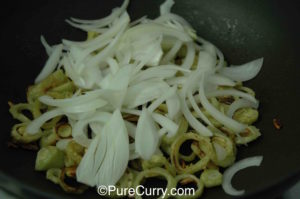
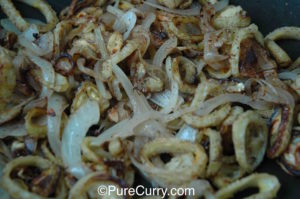
- Add sliced onions and a small pinch of salt. Cook until softened and translucent (6–8 minutes).
- Stir in coriander powder, dried mango powder (amchur), and Kashmiri red chili powder (if using). Mix well.
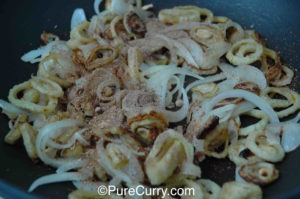
- Cover and cook for another 3 minutes on low heat to let the flavors meld.
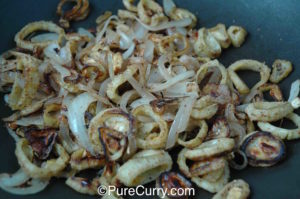
- Turn off the heat and serve warm.
Leave a Reply