
Welcome to The Mastering Bitterness Series, where we explore the science of Bitter Gourd (Karela).
In this 3-part masterclass, we apply the Learn. Create. Savor. philosophy to the most polarizing ingredient in the Indian kitchen: Karela (Bitter Gourd). We explore the biology, physics, and chemistry behind Karela to help appreciate what you need to do, to get the best results.
Part 1 (Learn) – The Biology of Bitterness: Part 1 (Learn) – The Biology of Bitterness: Understanding why karela tastes the way it does, and why that matters.
Part 2 (Create) – How to Reduce Bitterness in Karela: What salting, squeezing, and cooking actually do.
Part 3 (Savor) – The Alchemy of Flavor: Balancing bitter, sweet, sour, and fat to make karela crave-worthy.
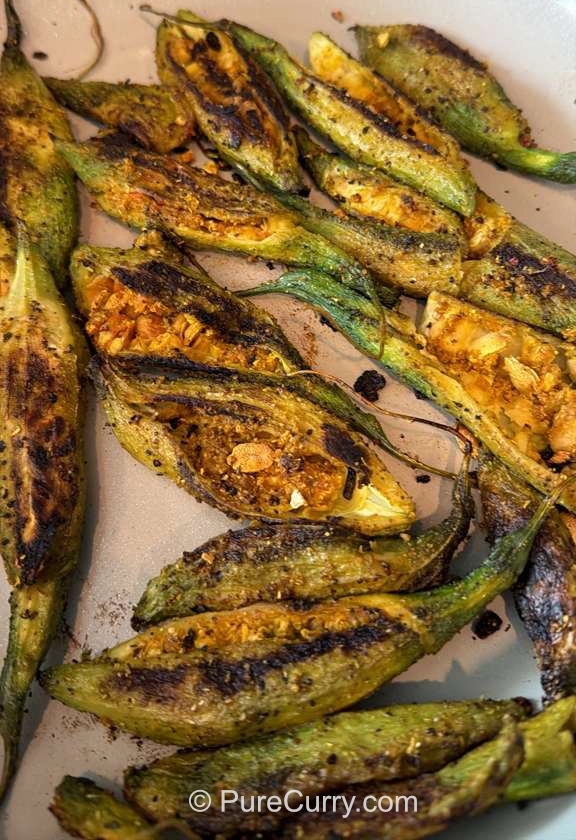
How to Make Karela Genuinely Delicious
In Part 1, we explored why karela is bitter. In Part 2, we learned how careful prep, salting, and cooking reduce that bitterness to a manageable level.
Now comes the most important step: turning balance into pleasure.
The goal of cooking karela isn’t to disguise it. A good karela dish still tastes unmistakably like karela. What changes is how that bitterness shows up. Instead of feeling harsh or punishing, it becomes structured, layered, and deeply satisfying.
This transformation happens through balance—by building a flavor framework around bitterness so it feels intentional rather than overwhelming.
To do that, we rely on three powerful partners: acid, sweetness, and fat.
Acid: Lifting and Brightening Bitterness
Acid is the most effective way to keep bitterness from lingering. It sharpens the dish, refreshes the palate, and prevents karela’s heavier notes from taking over.
A well-timed sour element doesn’t fight bitterness—it reframes it.
Common Sources of Acid
Yogurt:
Often used in marinades or slow-cooked dishes. Its gentle acidity mellows bitterness and helps tenderize the skin.
Amchur (dried mango powder):
The gold standard in North Indian karela dishes. It delivers bright, fruity tartness without adding moisture, which helps keep fried or sautéed karela crisp.
Tamarind:
Common in South Indian preparations. Its thick, tangy pulp coats the karela, softening its bite and rounding out the flavor.
🧪The Science: Why Sourness Changes How Bitterness Is Perceived
How Acid Reframes Bitterness on the Palate
Bitterness and sourness are sensed differently by the tongue and processed separately by the brain. When both are present at the same time, attention is divided across multiple taste signals instead of locking onto bitterness alone.
Acid also increases salivation, which helps wash bitter compounds away more quickly and prevents them from lingering after each bite.
The result isn’t less bitterness—it’s shorter, brighter, and easier to enjoy.
Key takeaway: Acid doesn’t fight bitterness head-on. It keeps it from overstaying its welcome.
Sweetness: Building a Bridge, Not a Dessert
Sweetness isn’t about making karela taste sugary. It’s about creating contrast.
A small amount of sweetness reassures the palate and softens bitterness, making the dish feel grounded and complete rather than sharp or medicinal.
Better Sources of Sweetness
Jaggery (gur):
Earthy and complex, jaggery pairs beautifully with karela’s grassy notes. A little goes a long way.
Caramelized onions:
A quiet secret in many successful karela dishes. Using a generous amount of onions—sometimes equal in weight to the karela—adds natural sweetness that develops slowly during cooking.
This kind of sweetness doesn’t stand out on its own. It simply makes everything else feel more harmonious.
🧪The Science: Why Sweetness Softens Bitter Flavors
Sweetness as a Counter-Signal to Bitterness
From an evolutionary perspective, bitterness often signals danger, while sweetness signals energy and safety. When both appear together, the brain recalibrates how threatening the bitterness feels.
This is why even a small amount of sweetness can dramatically soften bitter foods, without making them taste sweet.
Complex sweeteners like jaggery or caramelized onions work especially well because they bring depth and earthiness along with sweetness, preventing the dish from tipping out of balance.
Fat: Rounding the Edges
If you’ve ever wondered why karela recipes are cooked in generous amounts of oil, this is why.
Fat does more than add flavor – it rounds sharp edges, softens bitterness, and gives the dish a sense of richness and cohesion.
Traditional Choices
Mustard oil:
Bold and pungent, it stands up to karela rather than disappearing into it. This “fight fire with fire” approach is why the pairing works so well.
Ghee:
Adding a spoonful toward the end of cooking brings warmth and depth, smoothing out any remaining harshness from spices or bitterness.
Any fat can work, but these traditional choices are especially effective because they contribute flavor as well as texture.
🧪The Science: How Fat Changes the Way Bitterness Hits the Tongue
Why Fat Rounds and Smooths Bitterness
Many bitter compounds dissolve easily in water but not in fat. When karela is cooked with oil or finished with ghee, fat coats both the vegetable and the tongue.
This coating slows down how quickly bitter compounds interact with taste receptors, making bitterness feel gentler and more integrated into the dish.
Fat also carries aroma, which further shifts attention away from bitterness and toward richness and warmth.
Key takeaway: Fat doesn’t remove bitterness—it cushions it.
Aromatics and Spices: Lifting the Flavor
Beyond basic tastes, certain spices pair exceptionally well with karela, helping lift bitterness rather than bury it.
Saunf (fennel seeds):
One of the most important pairings. Its naturally sweet aroma lightens the dish and adds a fresh top note that contrasts beautifully with karela’s earthiness.
Dhaniya (coriander powder):
Used generously, it provides a savory, citrusy base that absorbs excess moisture and rounds out the overall flavor.
These spices don’t eliminate bitterness—they give it context.
🧪The Science: Why Certain Spices Pair So Well with Bitter Vegetables
Aromatics That Lift Rather Than Bury Bitterness
Some spices contain naturally sweet or cooling aromatic compounds that contrast with bitterness instead of competing with it.
Fennel seeds (saunf), for example, release compounds with sweet, licorice-like aromas when gently cooked in fat. These aromas rise above heavier flavors, creating a sense of freshness that lightens bitter vegetables.
Coriander seed contributes citrusy, savory notes that bind flavors together and absorb excess moisture, preventing bitterness from pooling on the palate.
Rather than masking bitterness, these spices give it structure and context.
Texture Matters: Crispy vs. Soft
How karela feels in the mouth changes how bitterness is experienced.
Crispy (chips, shallow fry):
Crunchy textures feel lighter and more playful. This is often the easiest entry point for beginners, as the texture distracts from bitterness.
Soft (stuffed, slow-cooked sabzi):
Softer textures allow bitterness to linger longer on the palate. These dishes rely more heavily on acid, sweetness, and spice balance to stay enjoyable.
🧪The Science: Why Texture Changes Flavor Perception
How Crunch and Softness Change the Experience of Bitterness
Texture plays a powerful role in how flavor is perceived.
Crispy foods break quickly and create sound, movement, and contrast in the mouth. This sensory activity distracts the brain, making bitterness feel less intense and more playful.
Soft textures, on the other hand, allow bitter compounds to stay in contact with the tongue longer. This increases perceived intensity, which is why softer karela dishes depend more heavily on balance from acid, sweetness, and spice.
Key takeaway: Texture doesn’t change what’s in the food, rather it changes how long you notice it.
Bringing It All Together
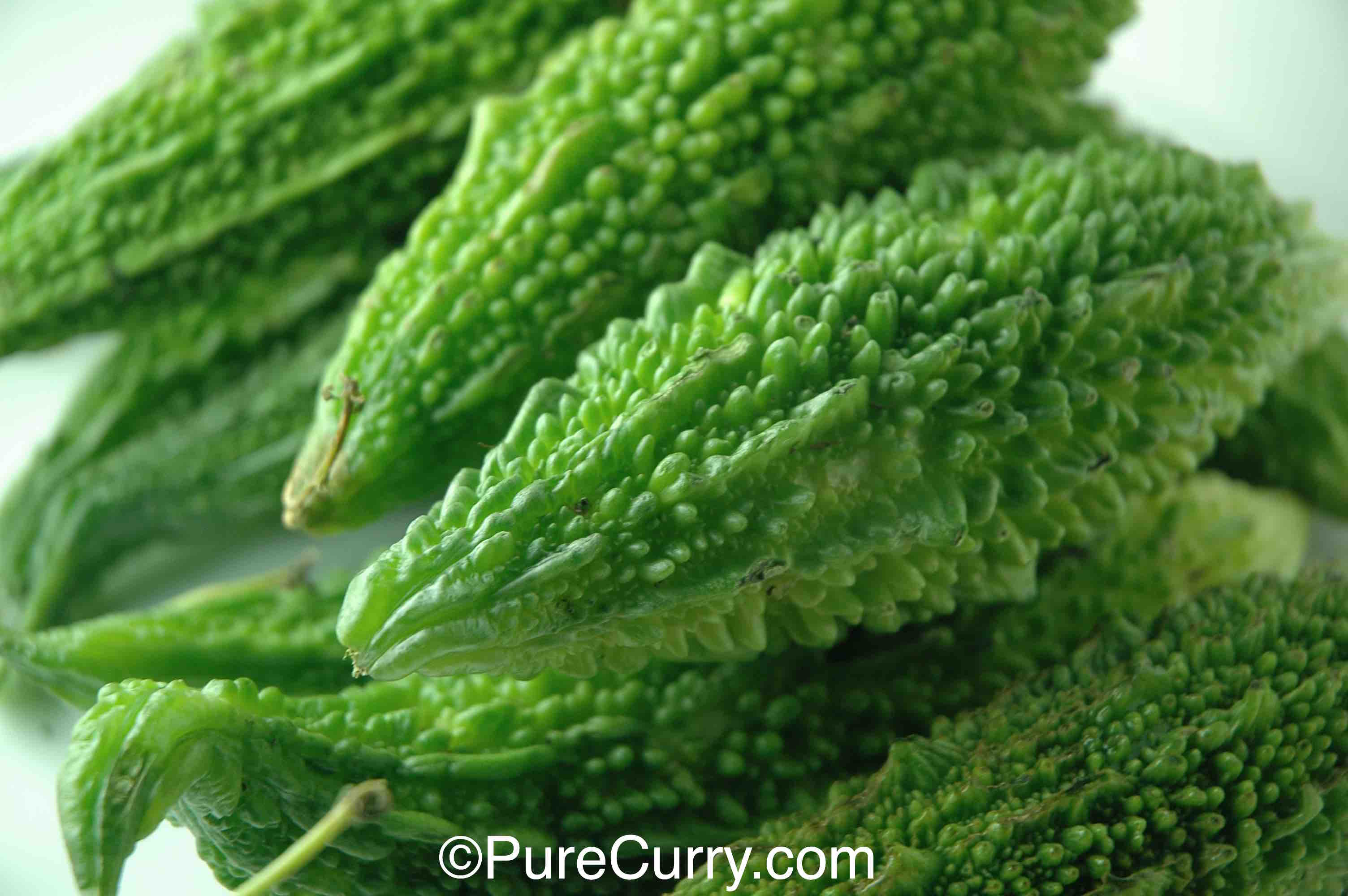
We started with a spiky, intimidating fruit that many cooks avoid.
Instead of chasing a single “perfect” recipe, this series focused on understanding:
- Why karela tastes the way it does
- How preparation and cooking reshape its bitterness
- And how balance turns a challenging ingredient into a craving
When you understand what bitterness needs—brightness, contrast, richness—you stop fighting the ingredient and start working with it.
That’s when karela stops feeling medicinal and starts feeling like real food.
Ready to Cook?
You don’t need a fixed recipe to cook karela well.
Once you understand how bitterness behaves—and what it needs to feel balanced—you can build a dish that works for your kitchen, your ingredients, and your taste. Scrape more or less. Salt longer or shorter. Add acid for brightness, sweetness for grounding, fat for richness. Adjust until it feels right.
A recipe on Pure Curry is provided below as a starting point. Use it for guidance – but trust yourself to improvise. Cook with intention and you’ll be surprised with what you can create!
Leave a Reply