
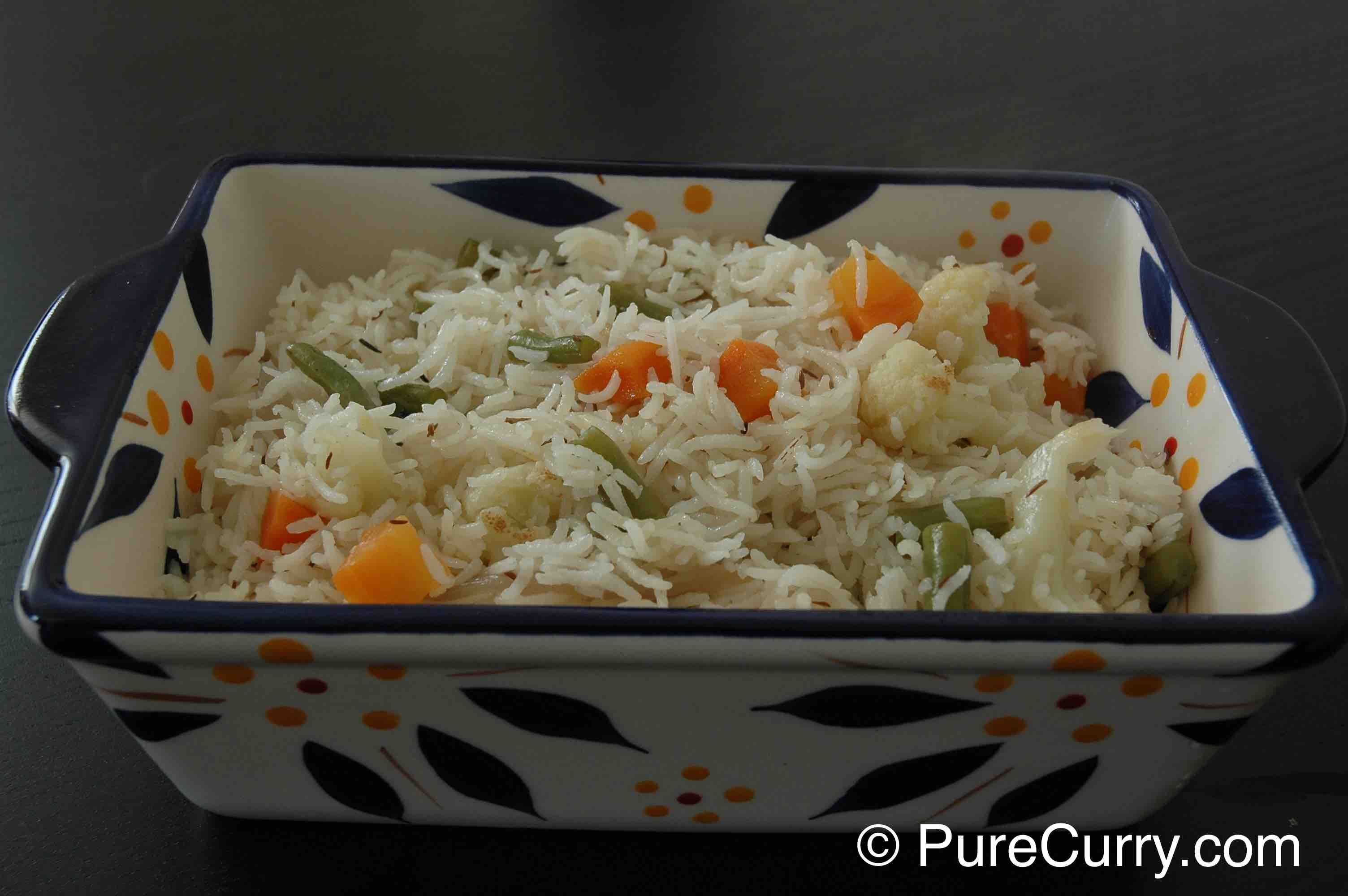
Vegetable pulao is a fragrant, one-pot rice dish made by cooking basmati rice with mixed vegetables, aromatics, and whole spices. Light yet flavorful, it balances the sweetness of sautéed veggies with the warmth of spices like cumin, bay leaf, cardamom, and cloves. Often garnished with fresh herbs, it’s versatile enough to serve as a quick weekday meal, a festive side, or the centerpiece of a comforting homemade spread.
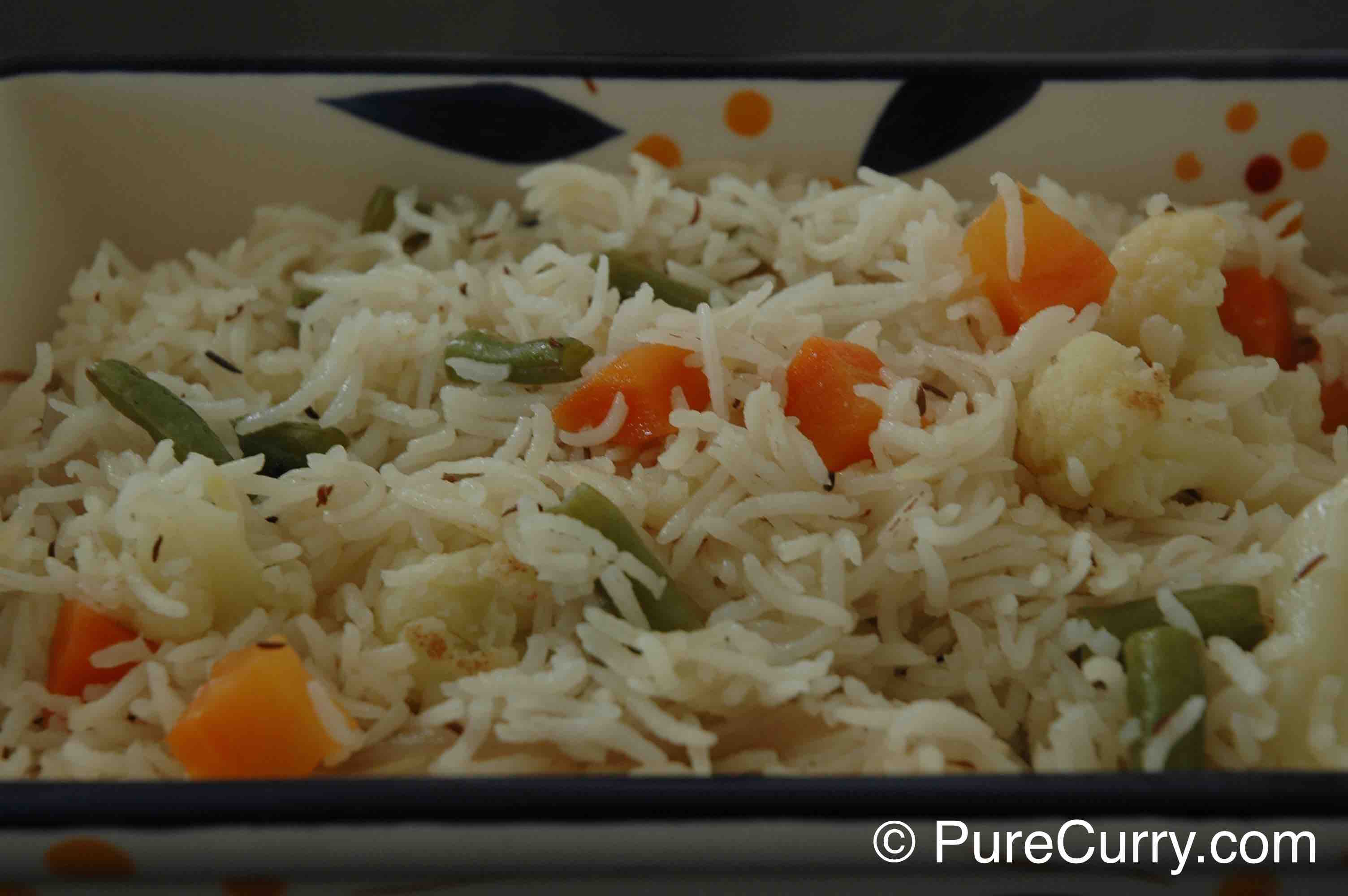
You can prepare pulao with a wide variety of vegetables and I usually use any vegetable available in the fridge or the freezer. This recipe calls for cauliflower, carrots and green beans which you’ll notice are all of different colors and makes for a colorful dish.
Some of my other favorite vegetables to add to pulao are spinach, broccoli and brussels sprouts. Vegetable pulao can be enjoyed by itself or with a curry.
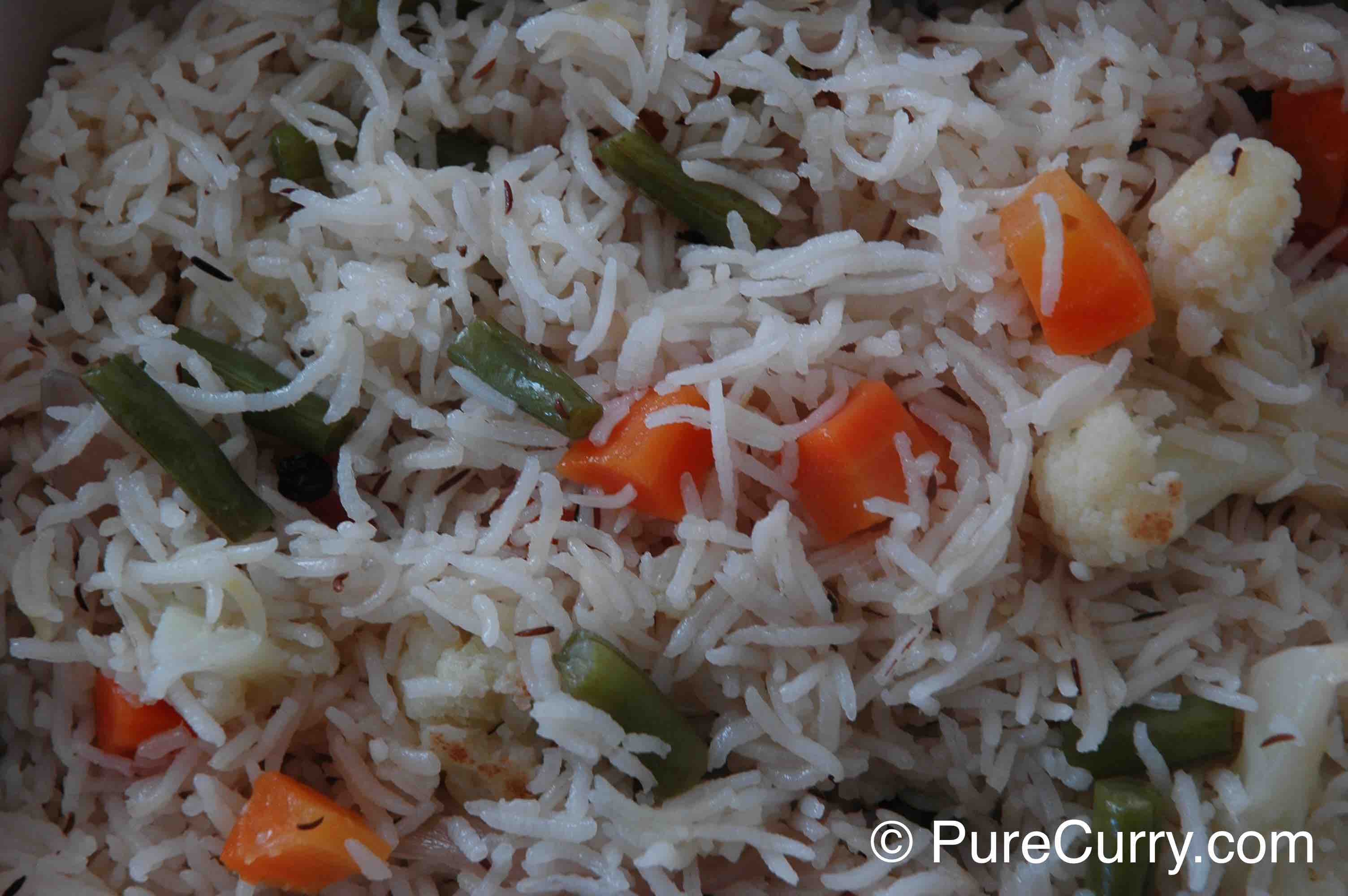
Use Long-grained Rice
For the best flavor and texture, prepare pulao with high-quality basmati rice. Its long, slender grains and natural aroma complement the dish beautifully. While any long-grained rice will work, basmati consistently delivers the light, fluffy results that make pulao shine.
Spices for the Pulao
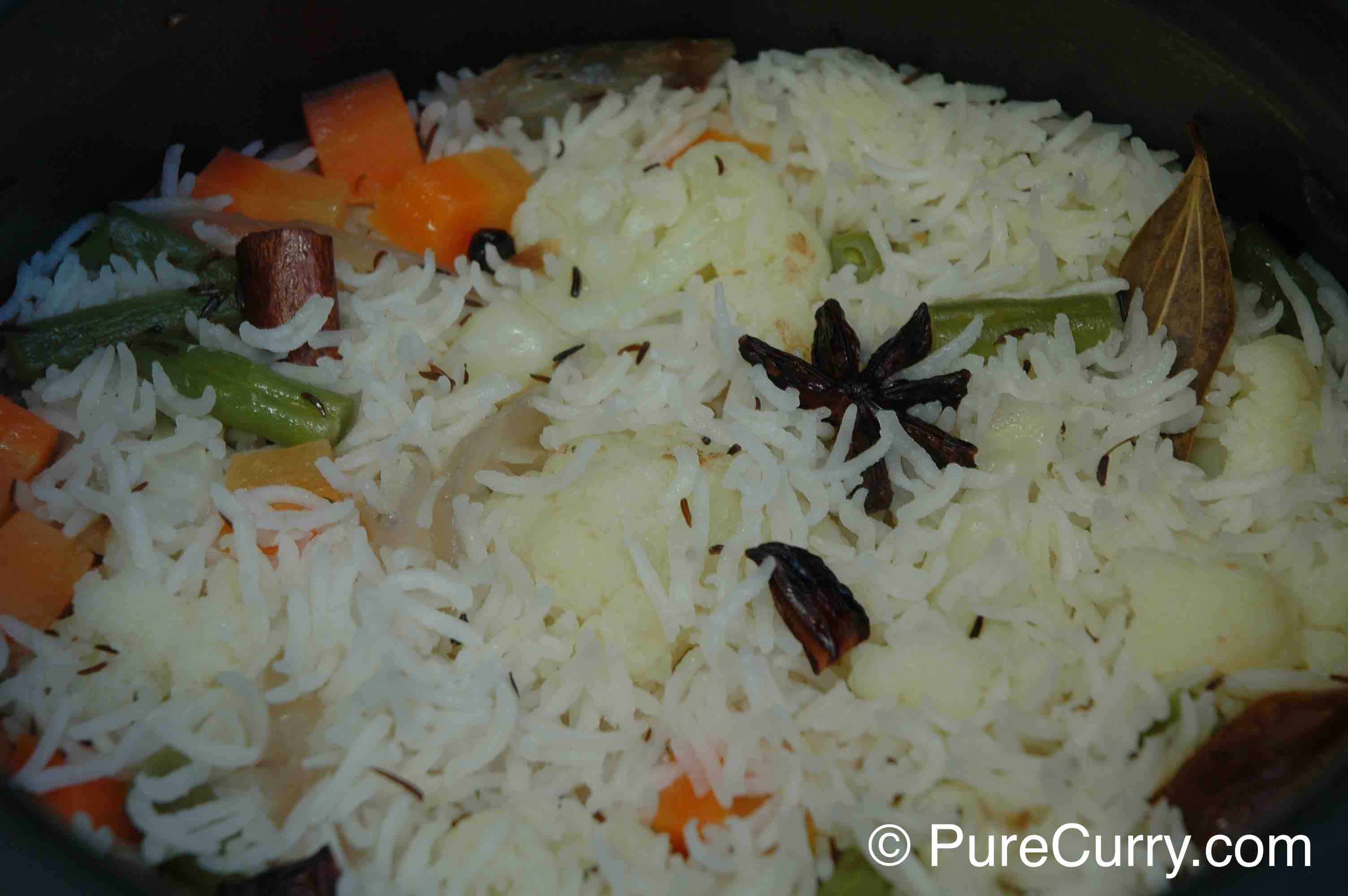
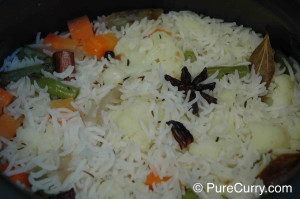
You’ll find a list of suggested whole spices for this pulao, but you don’t need every single one to create a flavorful, aromatic dish—just use what you have on hand. Feel free to experiment with other whole spices as well to discover the combinations you enjoy most. Since the spices primarily infuse the oil, even a simple mix such as cumin seeds and a cinnamon stick will work beautifully. Additional spices, like star anise, also enhance the dish’s visual appeal.
The whole spices used in this recipe are some of the key ingredients of a garam masala powder. If you don’t have whole garam masala spices, you can substitute with garam masala powder – add it after the vegetables are in the pot. Using the powdered version gives the pulao a warmer, more blended spice profile rather than the subtle, layered aroma that whole spices provide. Some store-bought garam masala powders tend to be quite spicy, so be aware of what you’re using. It’s an excellent shortcut, and while the finished dish may be slightly less visually striking without the whole spices, it will still be wonderfully aromatic and satisfying.
Using Frozen Vegetables
Frozen mixed vegetables are perfectly suitable—and often more convenient—for pulao. You can add them directly to the pot without thawing; however, keep in mind that frozen vegetables release extra moisture as they cook. This can slightly dilute the water-to-rice ratio and potentially make the rice softer than intended.
If you’re adding the vegetables frozen, just be sure that all steps requiring dry heat—such as sautéing whole spices or browning onions—are fully completed beforehand, since adding frozen ingredients will lower the temperature in the pot.
When time allows, you can thaw frozen vegetables by soaking them briefly in water and then draining them well. This helps maintain better control over moisture levels.
The Water to Rice Ratio
When cooking rice using the absorption method (where no water is drained), adding the correct amount of water is essential for achieving separate, fluffy grains.
For basmati or other long-grained rice, use 1¾ cups of water per 1 cup of rice. When vegetables are added—fresh or frozen—include an extra ¼ to ½ cup of water, depending on the quantity and moisture content of the vegetables. For example, this recipe uses an additional ½ cup, for a total of 2¼ cups of water per 1 cup of rice plus vegetables.
With a bit of practice, you’ll naturally develop a feel for both water proportions and cooking times, helping you make perfectly cooked pulao every time.
Vegetable Pulao
Ingredients
- 1 cup Basmati Rice or other long-grained rice
- 2 tbsp Oil
- 2 cups Hot Water adjust quantity per recipe instructions
- 1/2 cup Onions sliced
- 1 cup Cauliflower Florets
- 1/2 cup Carrots diced
- 1 Bay Leaf
- 1 inch Cinnamon
- 1 Black Cardamom
- 3 Cloves
- 1 blade Mace small piece of the whole mace
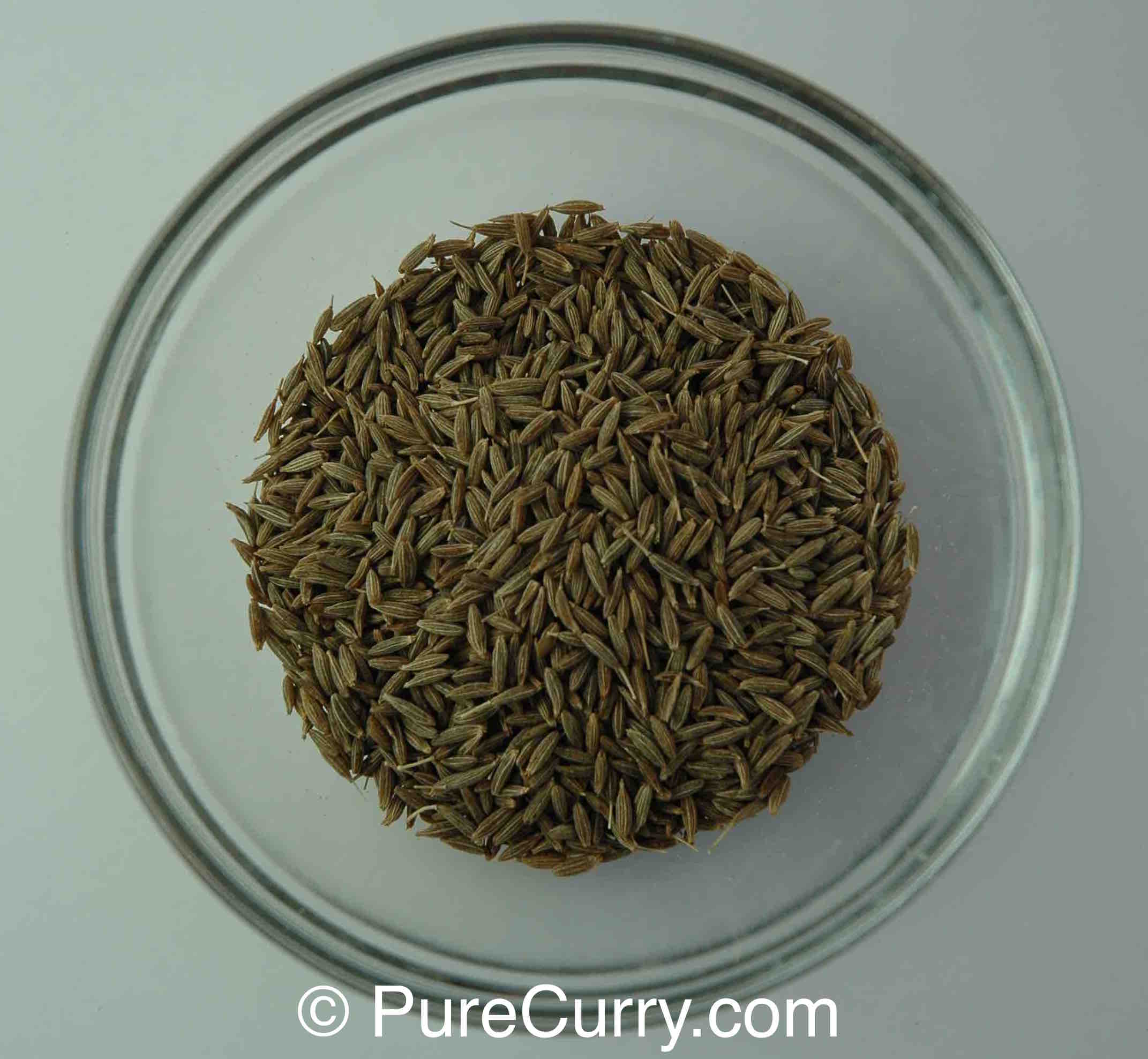
- 1 tsp Cumin Seeds
Method
- Put the rice in a bowl and wash in several changes of water; do so until the last wash runs almost clear. The rice is washed to remove surface starch, so that the rice does not become clumpy while cooking. This ensures that every grain of rice absorbs the flavors of the broth and the spices.
- Soak the rice while you finish the remaining prep.
- Cut up the vegetables into bite sized pieces – slice the onions, cut the green beans into 1" long pieces, cut up the carrots into cubes. See Recipe Notes regarding using frozen vegetables.
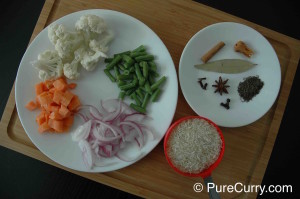
- On medium heat, heat oil in a thick bottomed pan and when it is hot add the whole spices – cumin seeds, bay leaf, anise star, cinnamon, black cardamom and mace. When the cumin seeds start to sizzle add the sliced onions.
- As soon as the cumin seeds begin to shimmer and release their aroma, add the sliced onions.
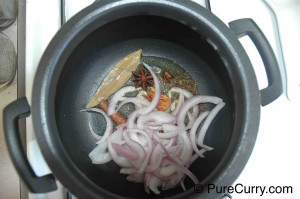
- Cook until the onions start to become translucent.
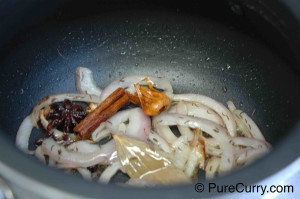
- Once the onions become translucent add the vegetables – cauliflower florets, green beans and carrots.
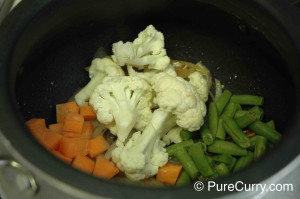
- Mix well and cook the vegetables for 3-4 minutes.
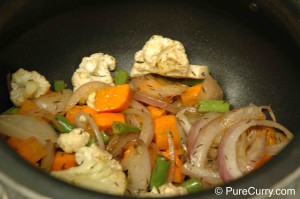
- Add the drained basmati rice and salt.
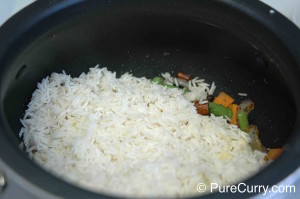
- Give the rice a couple stirs to mix the vegetables and rice well. Be sure to mix gently and from the sides of the pot to avoid breaking the rice grains.
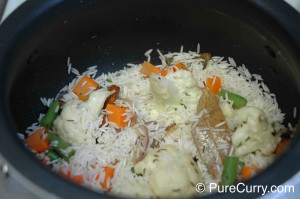
- Measure exactly the quantity that is required based on the amount of rice + vegetables.
- Add in the hot water.
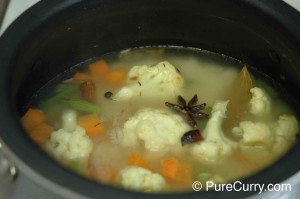
- Gently stir the pot a couple times and cover the pot keeping the heat on medium. You will be cooking the rice for approximately 10 minutes.
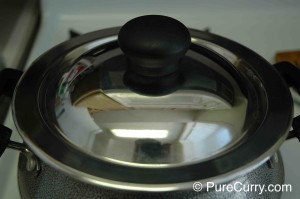
- After about 8 minutes open the lid and if the rice is puffed up and the water is all gone it is done, replace the lid and take the pot off the heat. Let it stand for 10 minutes before serving.


Leave a Reply