
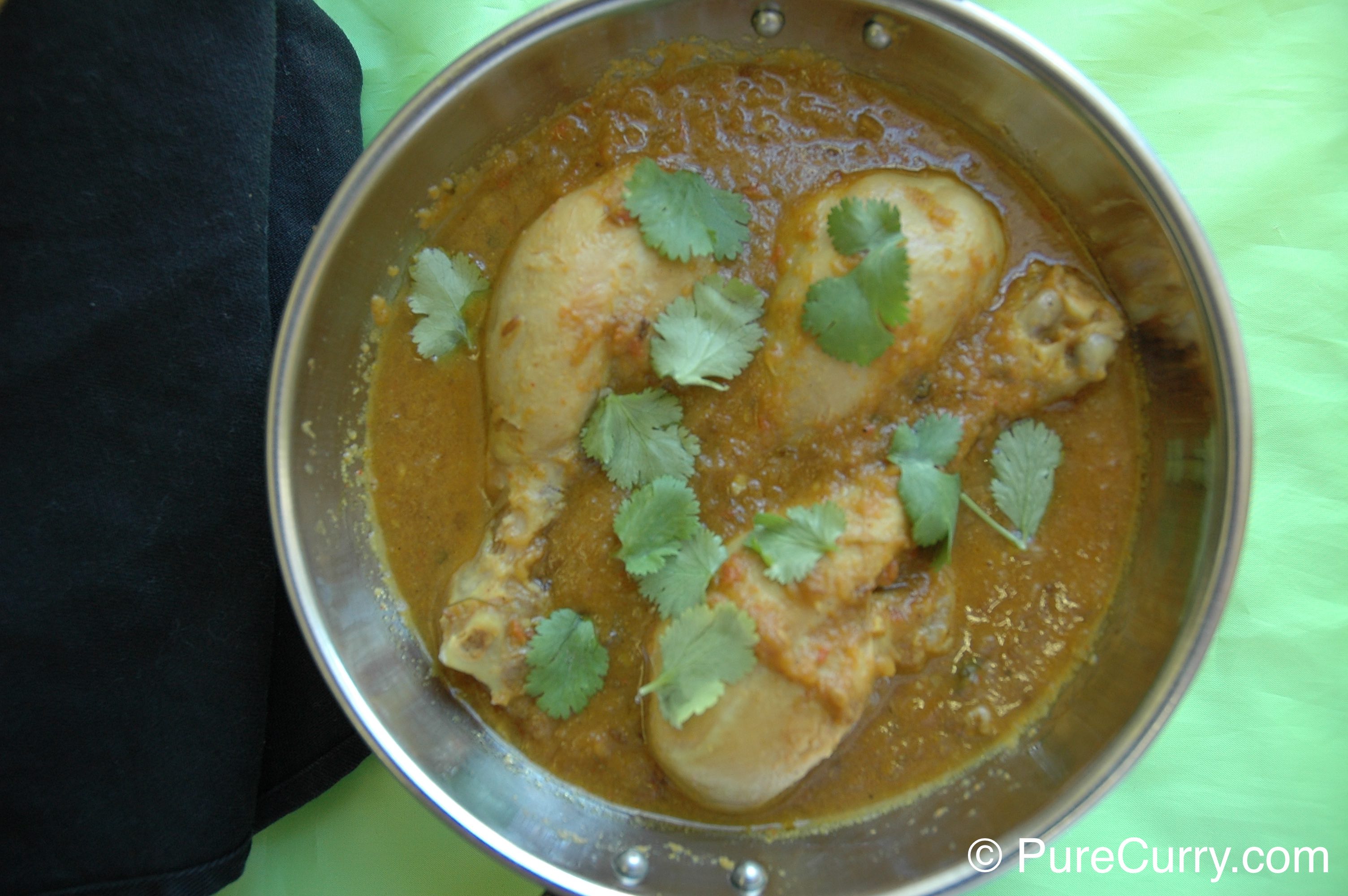
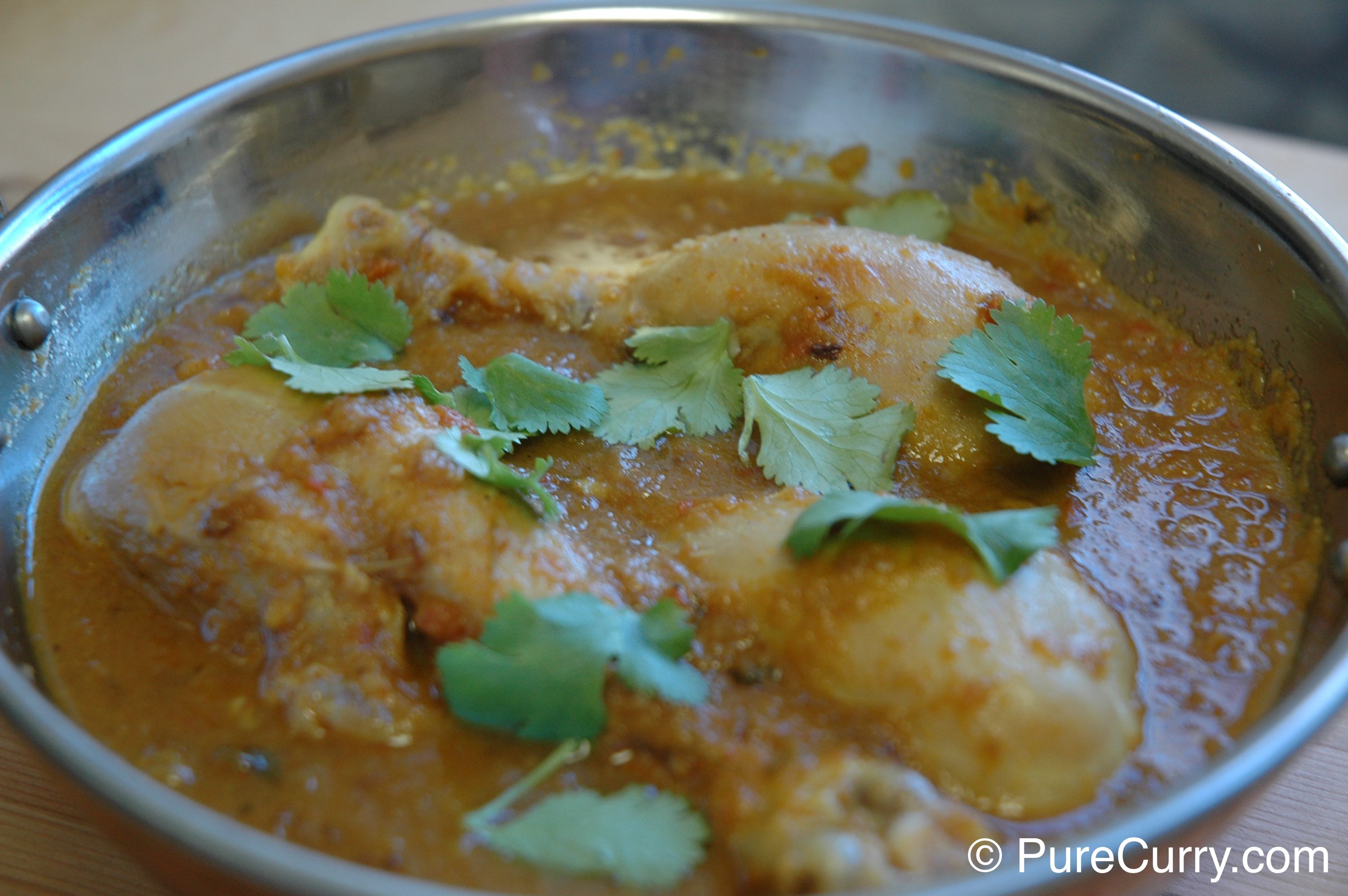
This classic chicken curry is made with bone-in chicken pieces simmered gently in a flavorful spiced sauce. Cooking the chicken on the bone adds depth and richness to the curry, while allowing the spices and aromatics to infuse the meat as it cooks. The result is a comforting, satisfying dish with a deeply savory sauce that pairs perfectly with rice or warm flatbreads.
This recipe becomes especially quick if you’ve already prepared our Basic Curry Sauce. With the base ready, all you need to do is add the chicken, a little liquid, and a few additional spices, then let everything simmer together until the chicken is tender and fully cooked.
Why Bone-In Chicken Works Best
Using bone-in chicken pieces—such as thighs, drumsticks, or a cut-up whole chicken—adds significantly more flavor to the curry. As the chicken cooks, the bones release collagen and flavor into the sauce, giving it a richer body and deeper taste.
While boneless chicken can certainly be used, bone-in pieces produce a sauce that is more traditional and satisfying.
Building Flavor with Spices
Indian curries rely on layers of flavor built from spices. The Basic Curry Sauce already contains many of the essential aromatics, but adding a few fresh spices at the beginning of the cooking process intensifies the flavor of the dish.
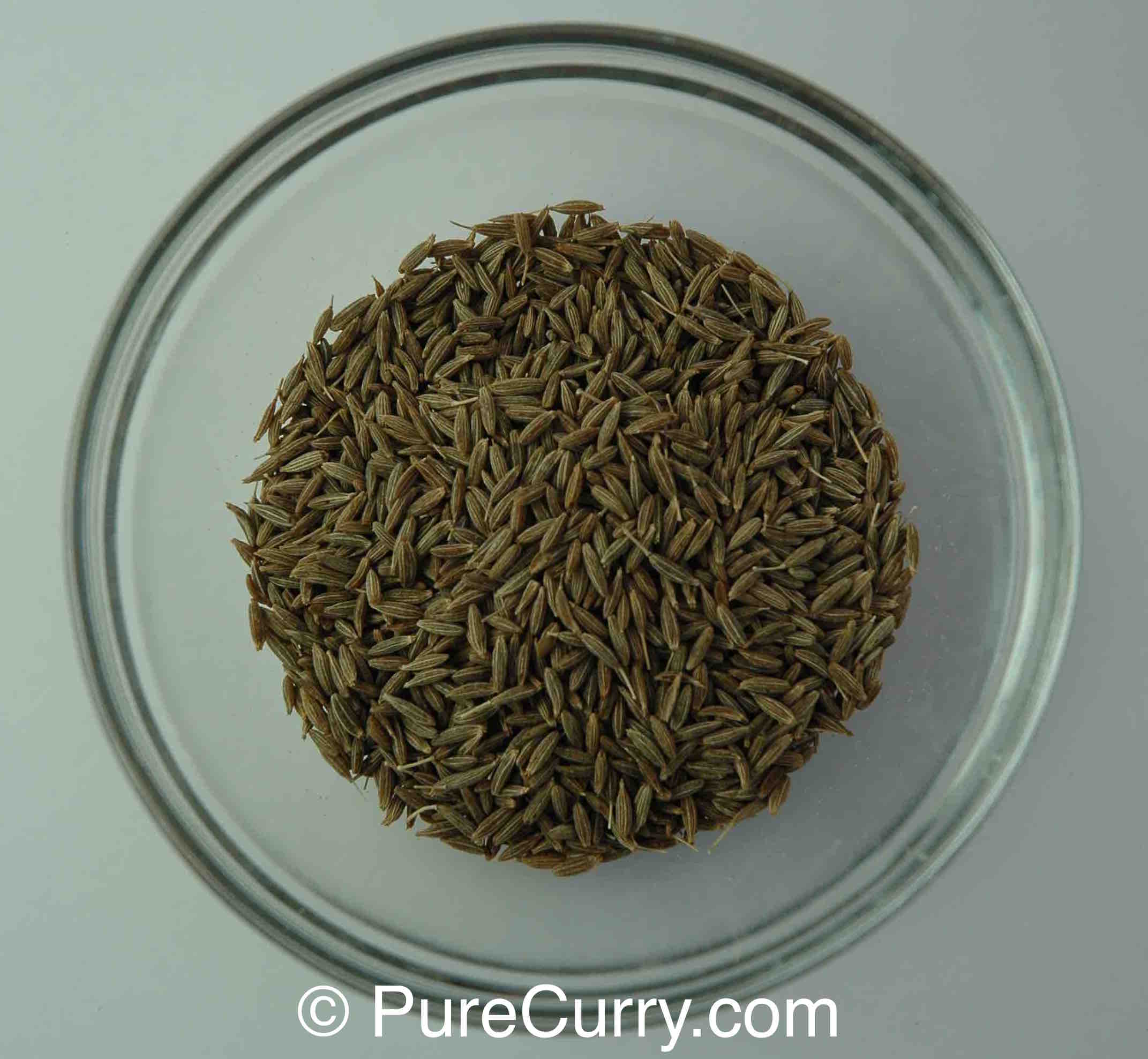
If you start the curry by briefly sizzling whole cumin seeds in oil, you’ll notice how their aroma transforms the dish. This technique, known as tadka or tempering, releases the essential oils in the spices and creates a deeper base for the curry. If you’re unfamiliar with this technique, see our detailed post on sizzling cumin seeds to learn how to do it properly.
Cooking the Chicken in the Sauce
One of the defining characteristics of a good chicken curry is that the chicken cooks directly in the sauce rather than separately. As the chicken simmers, it releases its juices, enriching the curry and blending with the spices.
Add the chicken pieces to the simmering sauce along with a small amount of water or broth. Cover and cook gently until the chicken is tender and fully cooked. The sauce will thicken slightly as it cooks and the flavors will meld together.
Avoid cooking the curry at too high a heat—gentle simmering helps keep the chicken tender while allowing the sauce to develop its full flavor.
Chicken Curry
Ingredients
- 3 cups Onions pureed, grated or finely diced
- 1.5 cup Tomatoes crushed or finely chopped
- 1 tbsp Ginger-garlic paste
- 2 Green Chilies finely chopped, adjust to taste
- 3 tbsp Oil 1 tbsp per cup of Onions
- 1/2 tsp Cumin Seeds
- 1.5 tsp Kashmiri Red Chili Powder
- 1/2 tsp Turmeric Powder
- 2 tsp Coriander Powder
- 1/4 tsp Dried Fenugreek leaves Kasuri Methi, optional but recommended
- 1 tsp Garam Masala
- 1 tbsp Cilantro finely chopped
- 2 pounds Chicken for the best curry flavor use bone-in chicken drumsticks and thighs.
- 2 cups Chicken Broth can substitute with water
Method
- Clean and wash the chicken and remove its skin. Make 2-3 cuts with a sharp knife on the chicken thighs and drumsticks.
- Heat the oil in a pan on medium heat and add the Cumin Seeds.
- When the Cumin Seeds start to crackle add the Ginger-Garlic paste and fry it until it turns golden brown (about 1 minute).
- Add the onions and fry on medium-low until golden brown stirring frequently (about 15-20 minutes). If the pot gets too dry, add some water so that the masala doesn't burn.
- Add the tomatoes and also Kashmiri Red Chili Powder, Turmeric Powder and Coriander Powder; mix well and cook on medium heat, stirring frequently, until the oil starts to separate out (about 15 minutes).
- The curry sauce is ready and you can add any protein or vegetable to make it a substantial dish.
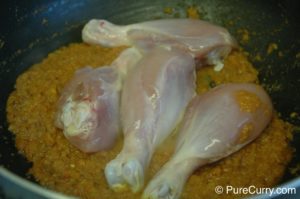
- Add the chicken pieces. Stir fry the chicken in the sauce for about 5 minutes on medium heat.
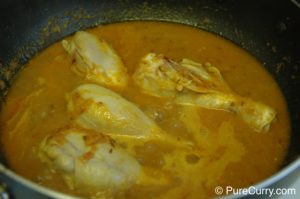
- Add 2 cups of hot water or chicken broth, bring to a boil and then reduce the heat to medium-low, cover the pan and let it cook for about 15-20 minutes stirring every few minutes until the chicken is fully cooked.
- Add the Garam Masala and Kasuri Methi and stir them in.
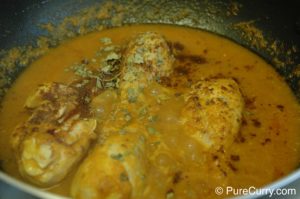
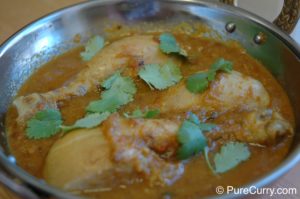
- Garnish with chopped cilantro leaves and serve hot with rice or bread.
Leave a Reply