
This recipe uses canned kidney beans for convenience, but traditionally, rajma is made with dried beans that are soaked and pressure cooked until tender.
Rajma Masala is a comforting North Indian curry made with red kidney beans simmered in a rich onion-tomato gravy. A staple in Punjabi households, this dish is the Indian take on the timeless pairing of rice and beans – hearty, nutritious, and deeply satisfying.
Growing up in India, rajma chawal (kidney beans with rice) was a regular weekend lunch. It’s one of those dishes that feels like home – simple, flavorful, and even better the next day as the spices deepen and meld together.
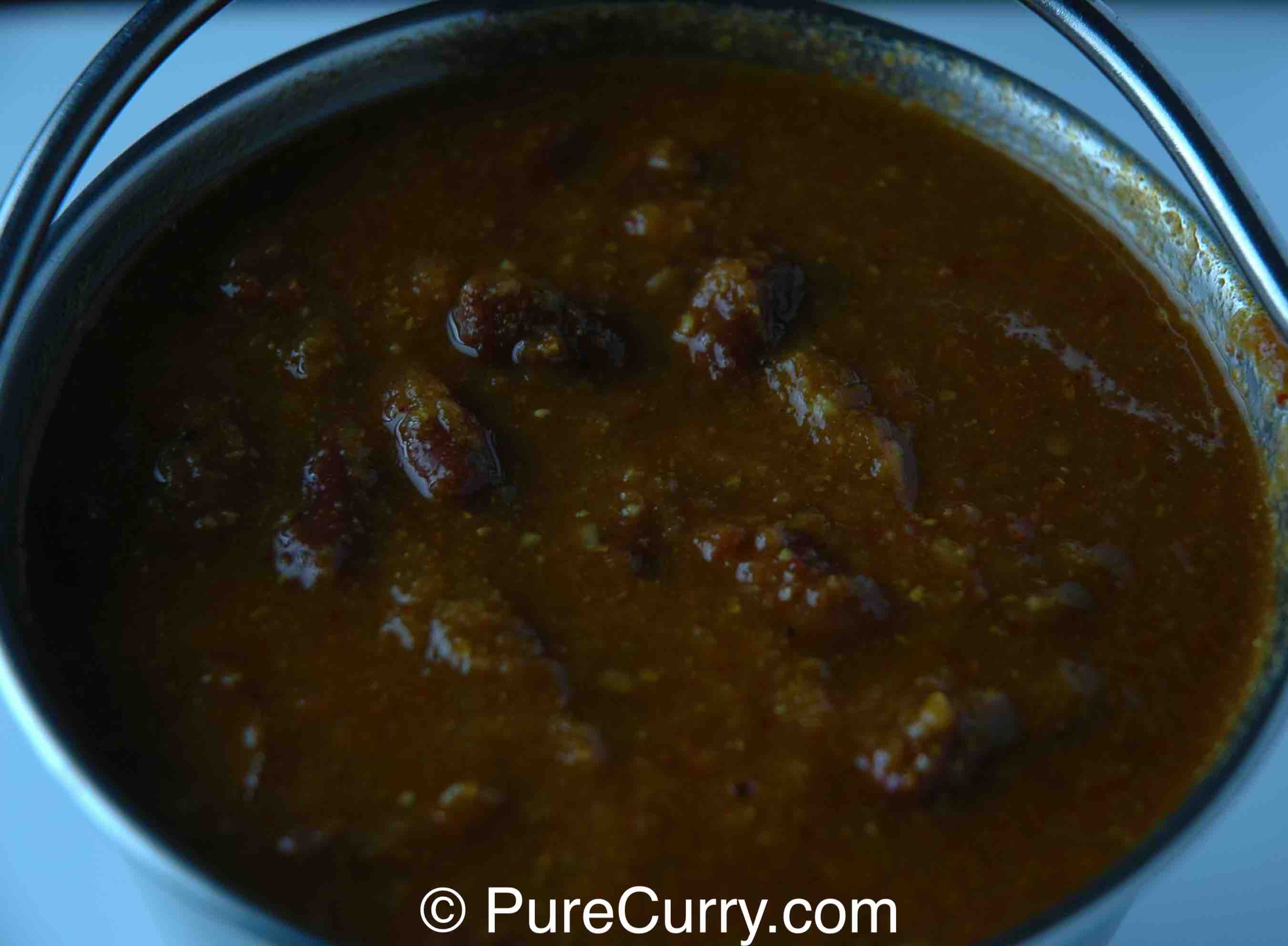
The base of this dish is a smooth onion-tomato-ginger-garlic masala, infused with whole warm spices like cinnamon, black cardamom, cloves, star anise, and bay leaves. These spices create depth without overpowering the dish.
Whole spices are used for flavor and can be removed after cooking (except cloves, which are blended into the masala). Instead you could choose to not use the whole spices, and substitute with garam masala powder at the end, for a simpler approach.
Rajma Masala tastes even better when eaten a couple days after cooking, since the flavors have melded in well. It is a great option as a dish for a dinner party spread, since you can prepare it a couple days in advance and refrigerate.
🧪The Science: Why Rajma Masala Tastes Better the Next Day?
One of the reasons rajma masala is such a beloved dish is that it often tastes even better a day or two after it’s made, and there’s real science behind this.
As the curry rests, the red kidney beans continue to absorb the masala, allowing the flavors to penetrate deeper into the beans rather than just coating them on the outside. At the same time, the spices, aromatics, and fats in the gravy continue to interact, softening any sharp edges and creating a more balanced, cohesive flavor.
You may also notice that the texture improves. The beans release a bit of their natural starch into the sauce over time, making the gravy thicker and creamier, which enhances the overall mouthfeel.
While factors like hunger or what you pair the dish with can influence how it tastes, the dish itself is genuinely evolving as it rests. This is why rajma masala is an excellent make-ahead dish – perfect for meal prep or for serving guests without last-minute effort.
Using Canned vs. Dried Kidney Beans
This recipe uses canned red kidney beans for convenience and consistency, making it approachable for everyday cooking. However, traditionally, rajma is made by cooking dried beans from scratch.
In many North Indian kitchens, the beans are soaked overnight and then pressure cooked until soft. This method is often preferred because it allows better control over texture and can result in a slightly creamier, more flavorful curry.
If you’d like to use dried beans, soak 1.5 cups of dried kidney beans 6-8 hours (long soak) or in hot water for (short soak) for at least 1 hour. In either case, the kidney beans absorb water and plump up.
Pressure cook in an instant pot for 45 minutes or simmer with adequate water for about an hour.
For most home cooks, canned beans are a great shortcut, while dried beans are ideal when you have the time and want a more traditional approach.
💡Whether using canned or freshly cooked beans, the key is that the beans should be soft enough to mash slightly—this helps create the signature creamy texture of rajma masala.
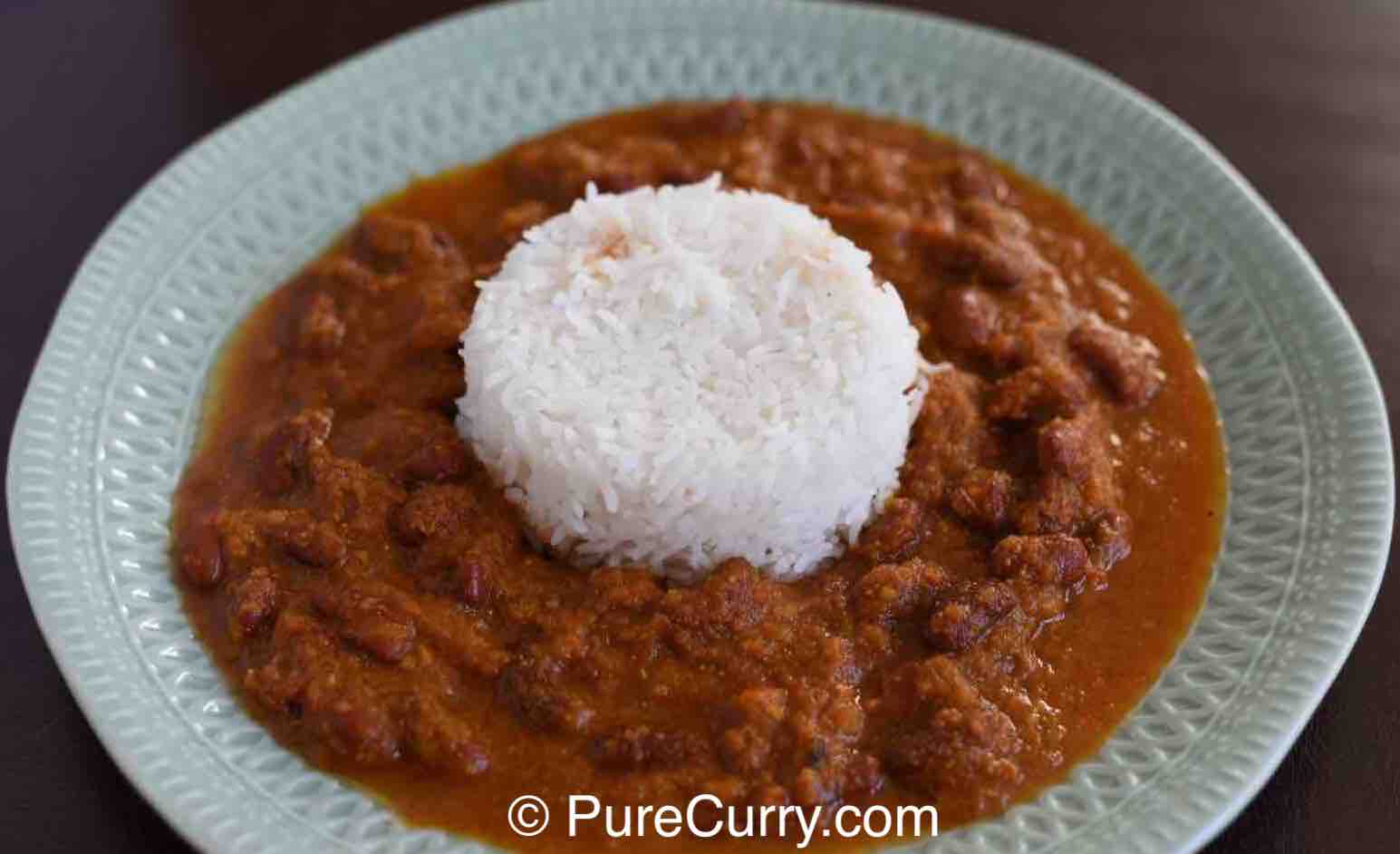
Rajma Masala
Ingredients
- 31 oz Red Kidney Beans 2 cans 15.5 oz Red Kidney Beans (light or dark), drained and rinsed
- 2 tbsp Cooking Oil
- 1 Red Onion medium
- 2 Tomatoes medium
- 1 tsp Salt adjust to taste
- 1 inch Ginger
- 4 cloves Garlic
- 2 Green Chilies adjust as needed or leave out
- 6 Cloves
- 2 inch Cinnamon Stick
- 2 Black Cardamoms
- 2 Bay leaves
- 1 tbsp Coriander Powder
- 1/2 tsp Turmeric Powder
- 1/2 tsp Kashmiri Red Chili Powder
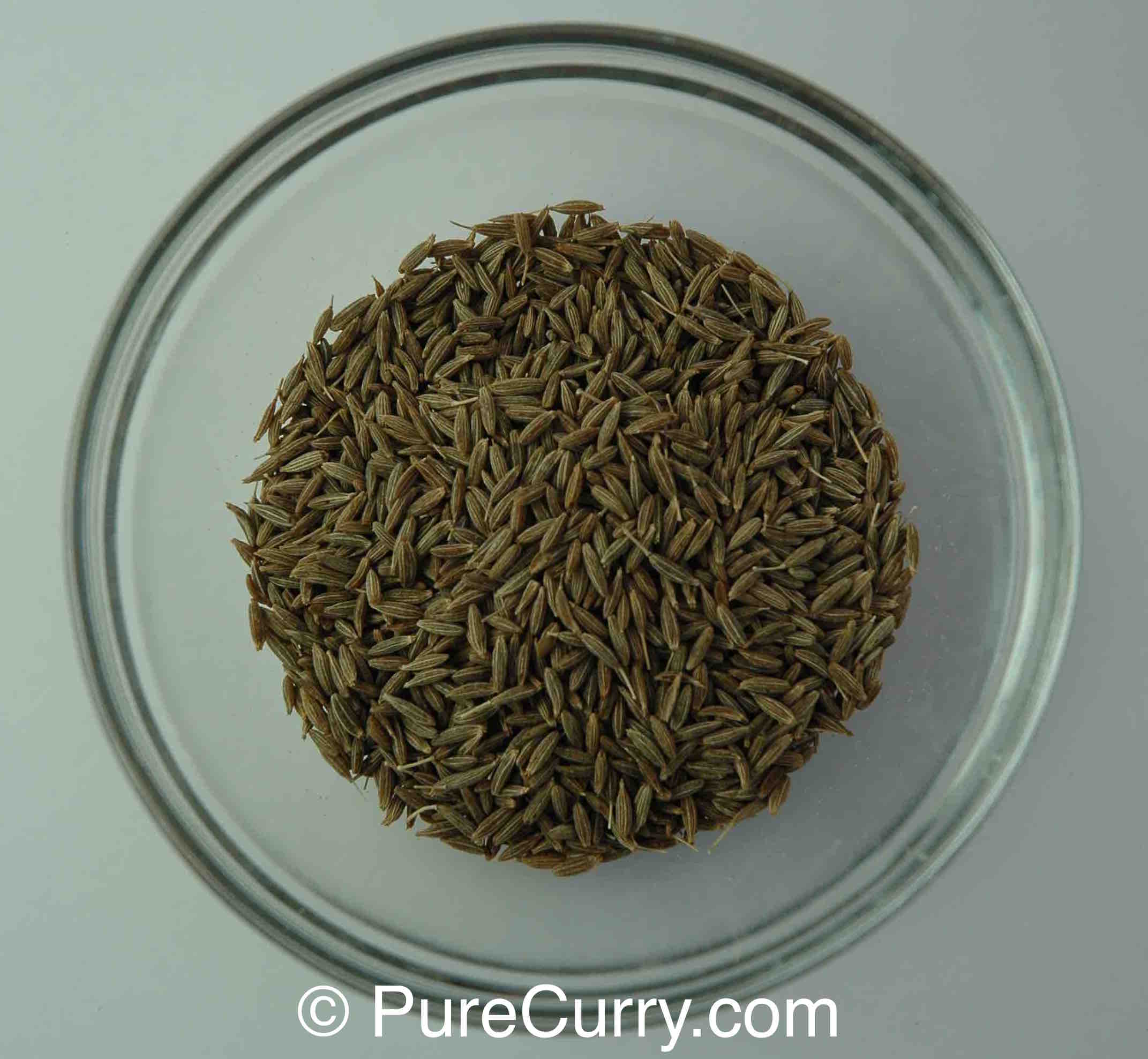
- 2 tsp Cumin Powder
Method
- Grind Onion, Tomato, Ginger, Garlic, Green Chilies and Cloves to make the masala paste.
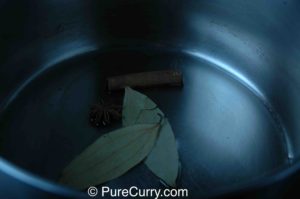
- Heat oil in a thick-bottomed pan, and add Cinnamon sticks, Black Cardamoms and Bay Leaves and fry for a minute.
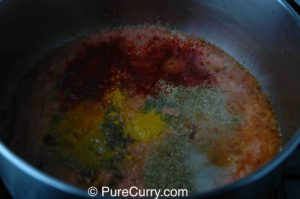
- Add the masala paste to the oil along with the Turmeric, Coriander Powder, Kashmiri Red Chili Powder, Cumin Powder and Salt, and cook on medium heat.
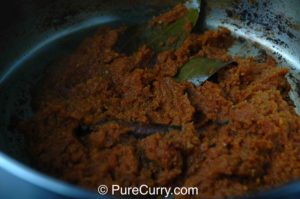
- Cook on medium heat, stirring occasionally, until the moisture evaporates and the oil starts to separate out (10-12 minutes).
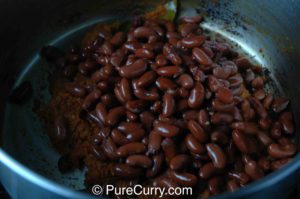
- Add the drained and rinsed kidney beans to the pan and mix well to coat them in the masala.
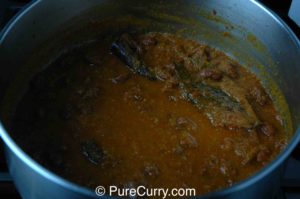
- Add about 3 cups of hot water and bring to a simmer.

- Simmer until the sauce thickens, around 10 minutes. Adjust the salt as needed towards the end because there will be evaporation while the pot simmers.
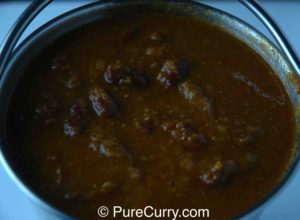
- Lightly mash some of the beans with a spatula to create a creamier texture.
- Garnish with freshly chopped cilantro (dhania). Serve hot with basmati rice, yogurt, and Indian pickles (achar).
Leave a Reply