
Garam Masala is a fragrant spice blend made from several whole spices and is an essential part of Indian cuisine. Rather than being about sharp heat, it adds warmth, depth, and aroma to a dish, and is often sprinkled in toward the end of cooking or just before serving to preserve its flavor. It’s a must-have in your spice pantry, whether you buy it ready-made or prepare it at home.
For many years, I used garam masala that was either made by my mother or bought from the store. In recent years, I’ve started making it at home, especially after finding some store-bought versions a little too intense for my liking.
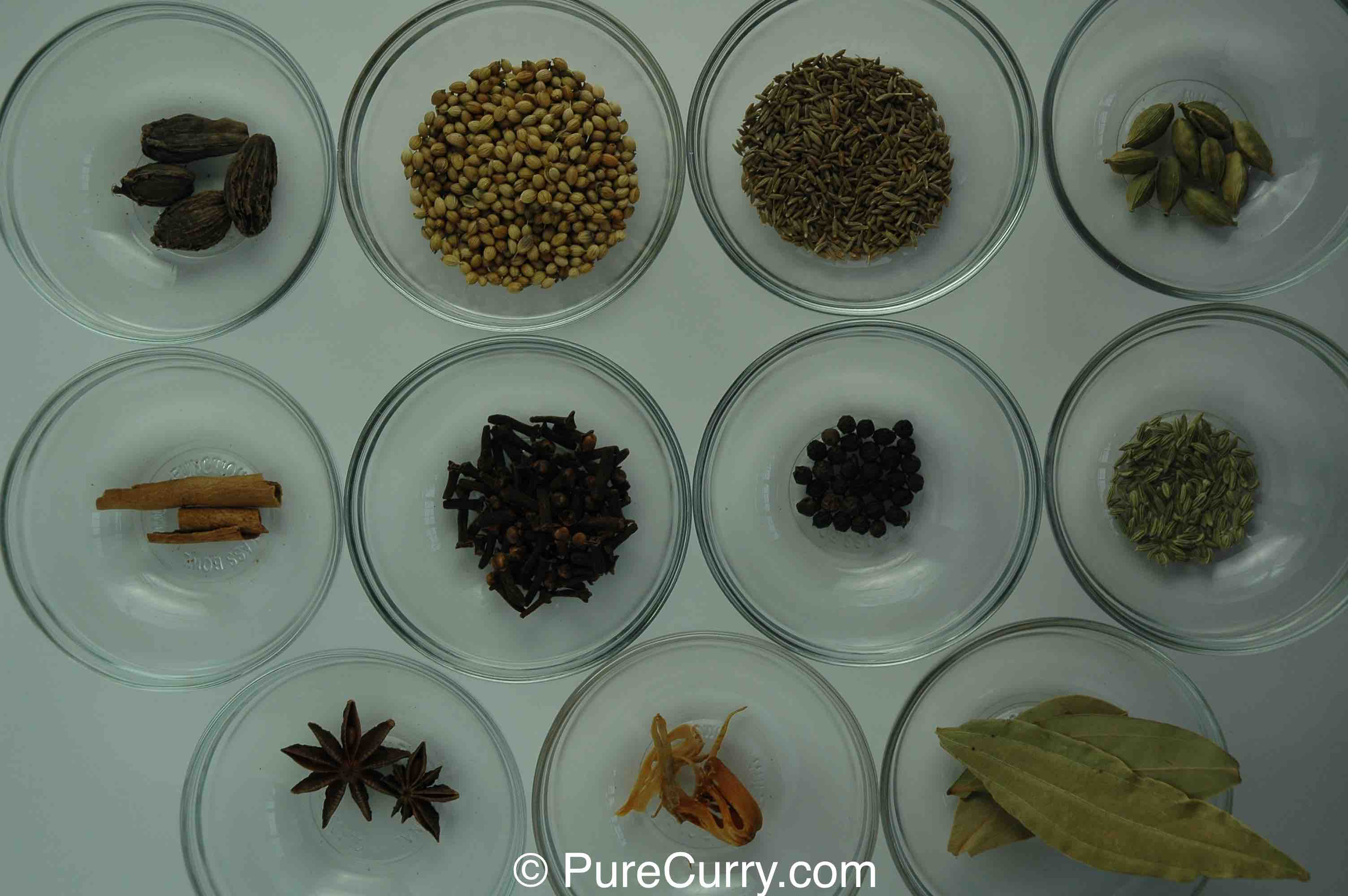
There is no single fixed recipe for garam masala. One of its strengths is how customizable it is – you can adjust the heat, flavor, and aroma by adding, reducing, or leaving out certain spices. A classic base typically includes coriander seeds, cumin seeds, black cardamom, cloves, cinnamon, and black peppercorns. From there, additional spices can be added to create a blend that suits your personal taste.
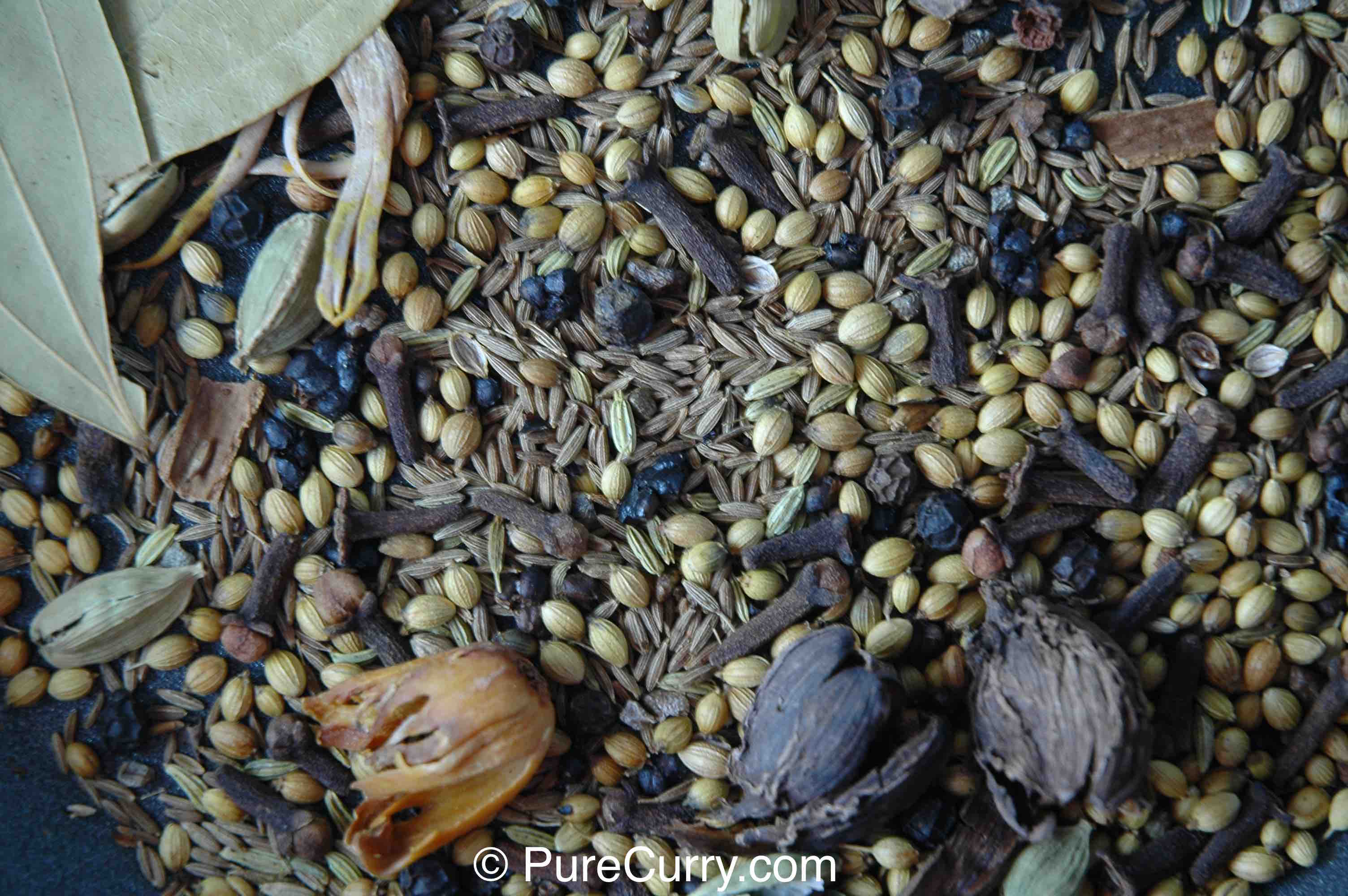
Garam Masala
Ingredients
- 2 tbsp Coriander Seeds
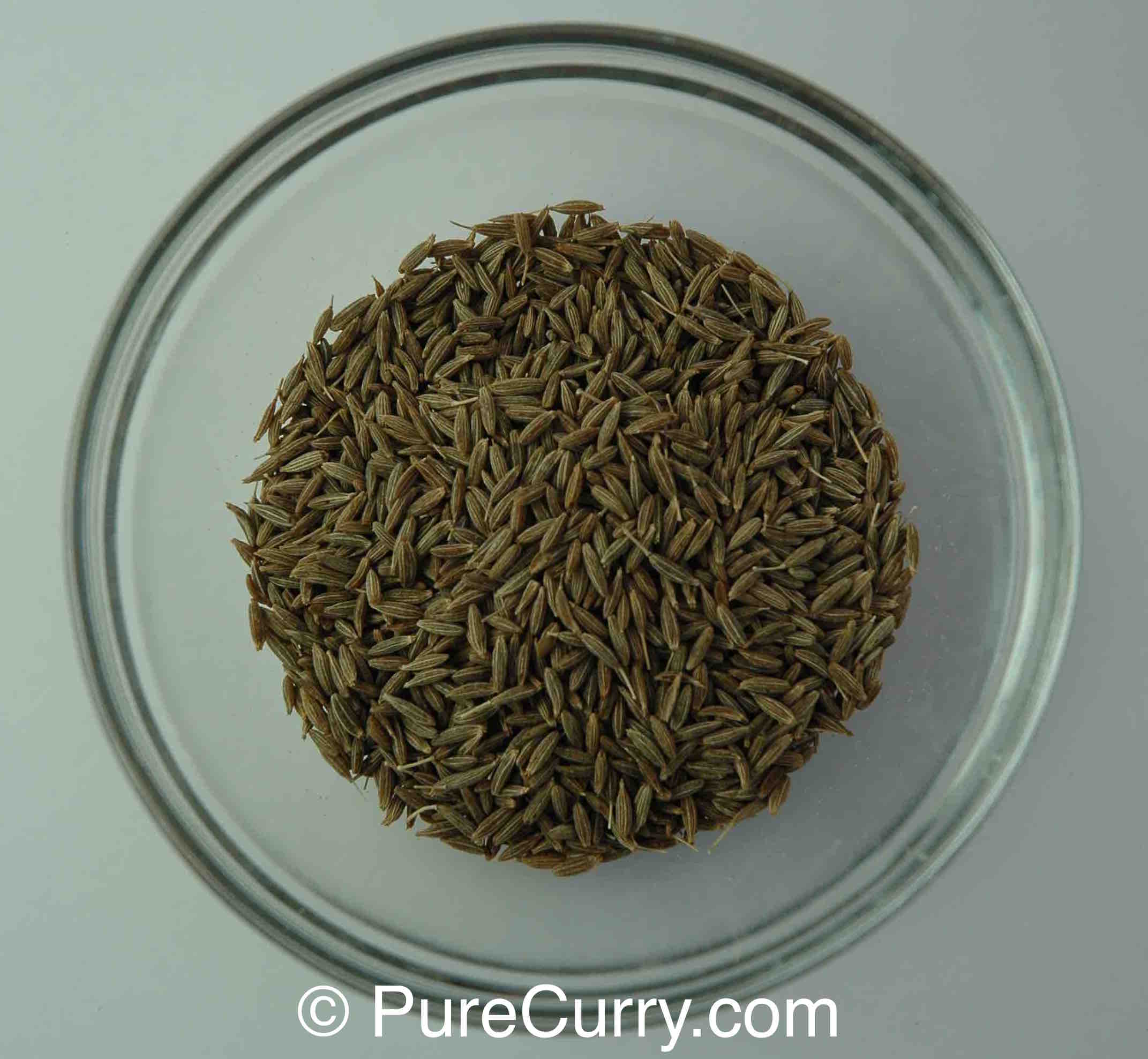
- 2 tbsp Cumin Seeds
- 4 pods Black Cardamoms
- 1 tbsp Cloves
- 2 inch Cinnamon Stick
- 1 tsp Black Peppercorns adds heat to the Garam Masala; adjust per your taste
- 2-3 Bay Leaves medium sized
- 10 pods Green Cardamoms
- 2 blades Mace
- 1-2 Star Anise
- 1/4 tsp Nutmeg Powder
- 1 tsp Fennel Seeds
Method
- Add the spices to a heavy bottom pan and toast them at medium to medium-low heat. TIP: If you’re doing this for the first time, then you could toast at medium-low so you can get familiar with the toasting method. When toasting at lower heat, it will take a little longer, but it is easier to manage the toasting process so that you don’t burn the spices.
- Keep the spices moving by either stirring them or shaking the pan; this ensures they toast uniformly and don’t burn.
- After a couple of minutes, the spices will turn aromatic and you may see some fumes rising up from the pan. That’s a sign that they are getting toasted. Continue toasting for another 20-30 seconds and watch the spices closely.TIP: The coriander and cumin seeds may turn a shade darker at the same time that the spices turn aromatic; this is alright but don’t wait for that to happen because you may risk burning the spices. An easy way to check if you’ve roasted the spices enough is to taste the cumin seeds. Take one and chew it (be sure to cool it if it’s still hot!) and if it’s crunchy and turns into a powder when you bite it then it’s done. Also, it should not taste bitter; roasted cumin powder has an earthy, nutty, sweet taste.
- Turn off the heat and empty the spices into a plate to stop the toasting process and let them cool completely.
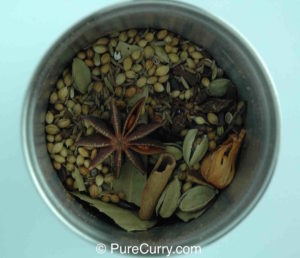
- Once cooled, transfer the toasted spices into a mortar or a spice grinder.
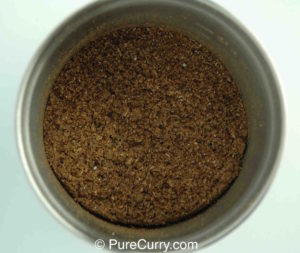
- Grind the spices to make a fine powder.TIP: A spice grinder is a great tool to have around the kitchen if you cook with spices. I recommend that you use a dedicated grinder for spices and don’t use the same grinder for grinding other ingredients, such as coffee, so you don’t mix the aromas.
Leave a Reply