
In the Science of Saag three-part series, we take a deep dive into one of the most versatile dishes in Indian cuisine. We look beyond the recipe card to understand the science behind leafy greens. We travel from the garden to the kitchen to the dining table, exploring how to choose the right greens, the chemistry of keeping them vibrant and flavorful, and how to turn a single base into a variety of delicious meals.
Part 1 (Learn) – Beyond Spinach: Understanding Saag Greens and Their Nutrition.
Part 2 (Create) – Green Chemistry: The Science of Cooking Saag.
Part 3 (Savor) – Saag: The Foundational Sauce: Building Flavor from a Simple Green Base.
Saag as a Foundation: Turning Greens into a Meal
In the first two posts in this series, we focused on understanding greens and learning how to cook them well – how to preserve color, manage texture, and tame bitterness. Now comes the most satisfying part.
Once cooked and puréed, saag on its own is mild and understated. This simple green base is meant to be built upon. In this final post, we’ll explore how saag becomes the foundation for a wide range of meals, how aroma is added at the very end, and why the right accompaniment matters just as much as what’s in the pot.
One Base, Many Meals
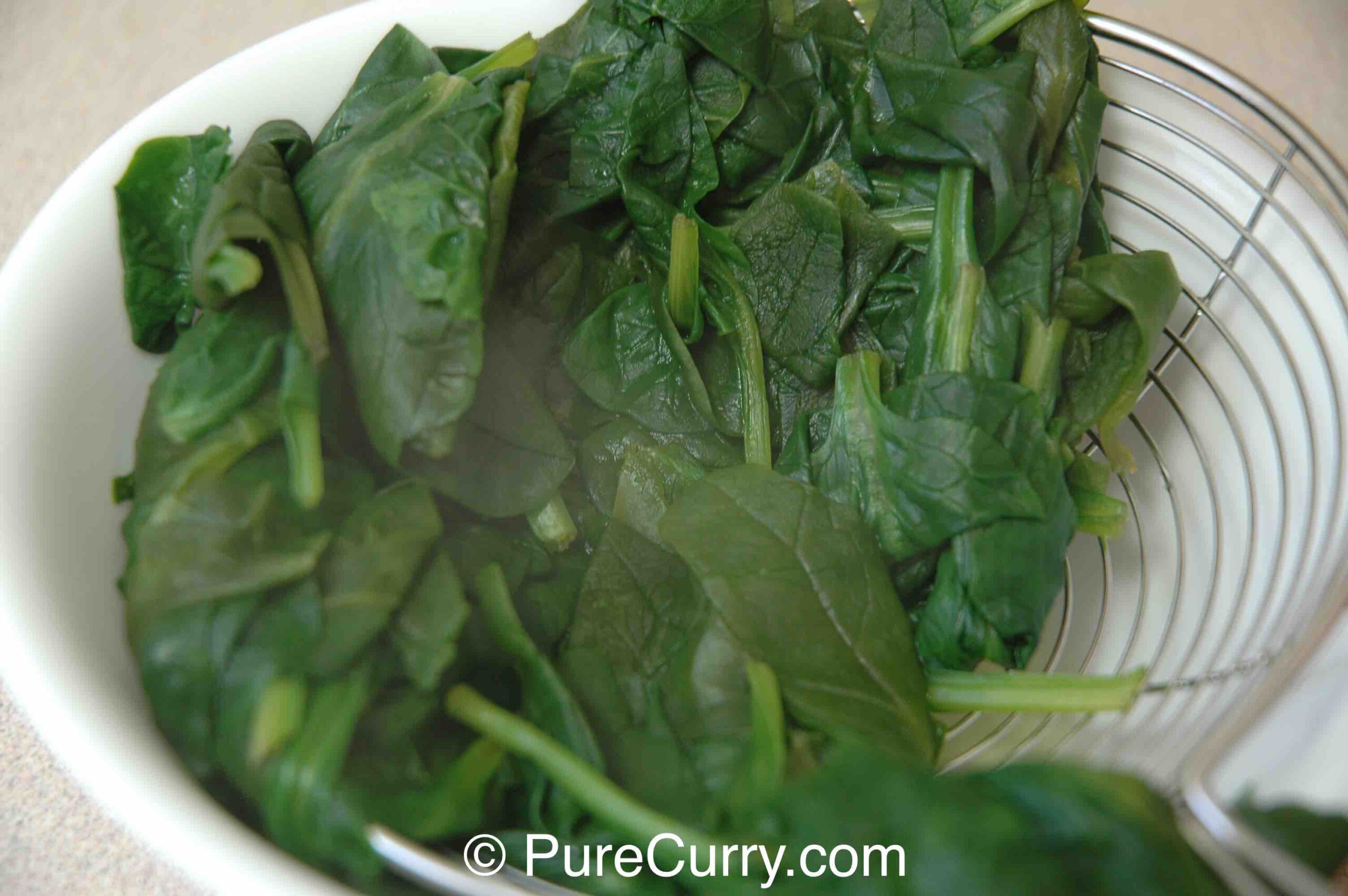
One of the great strengths of saag is how well it fits into everyday cooking. You can make a large batch of cooked, puréed greens and store it in the refrigerator or freezer. From that single base, you can create entirely different dinners throughout the week—just by changing what you add.
Here are some classic and flexible options:
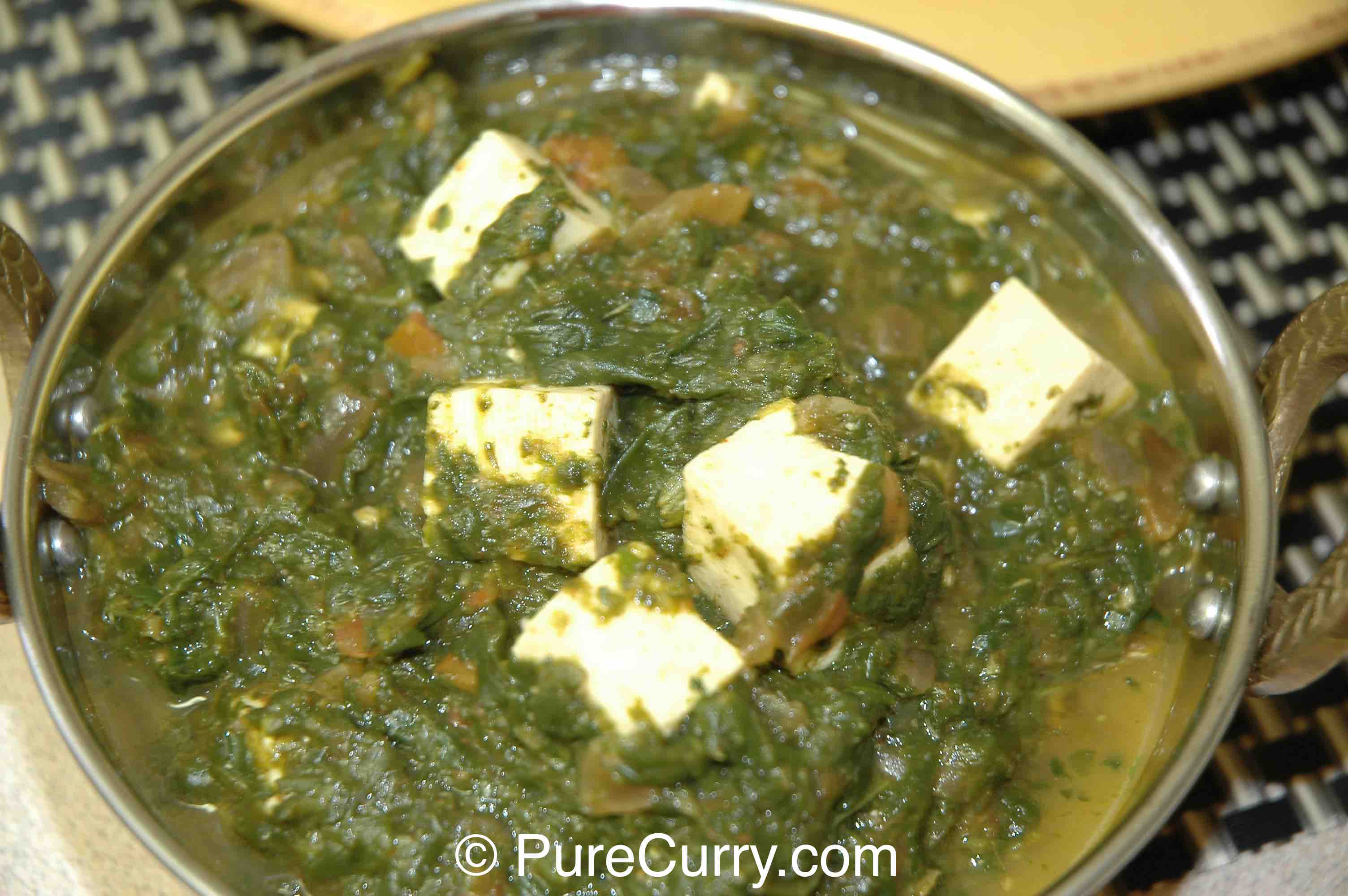
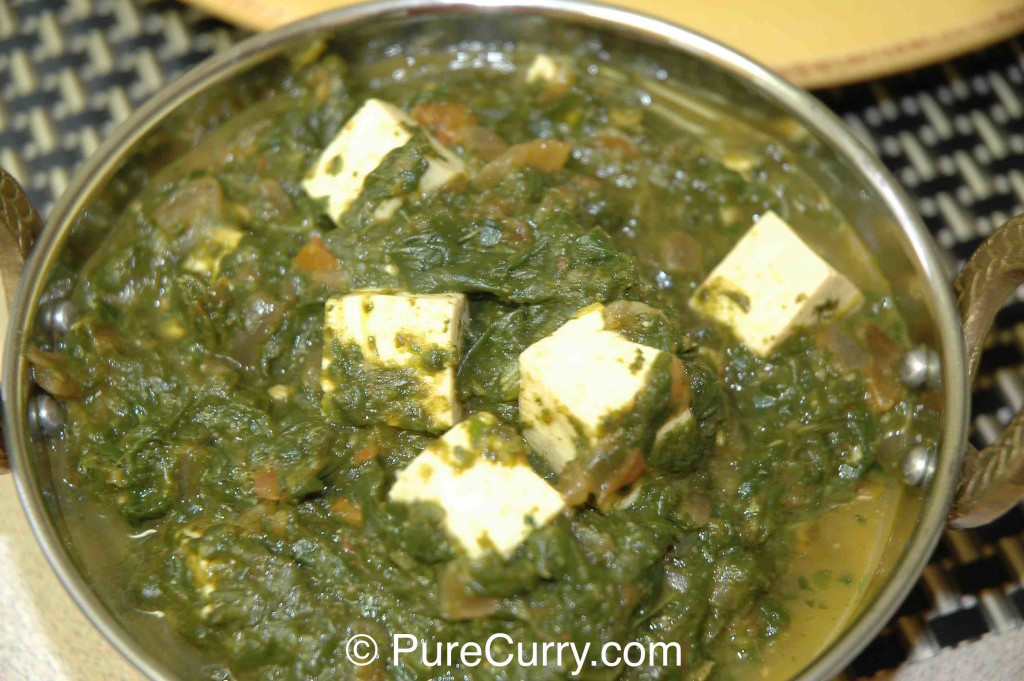
Saag Paneer:
Add cubes of paneer (Indian cottage cheese). Its mild, milky flavor pairs perfectly with the creamy greens.
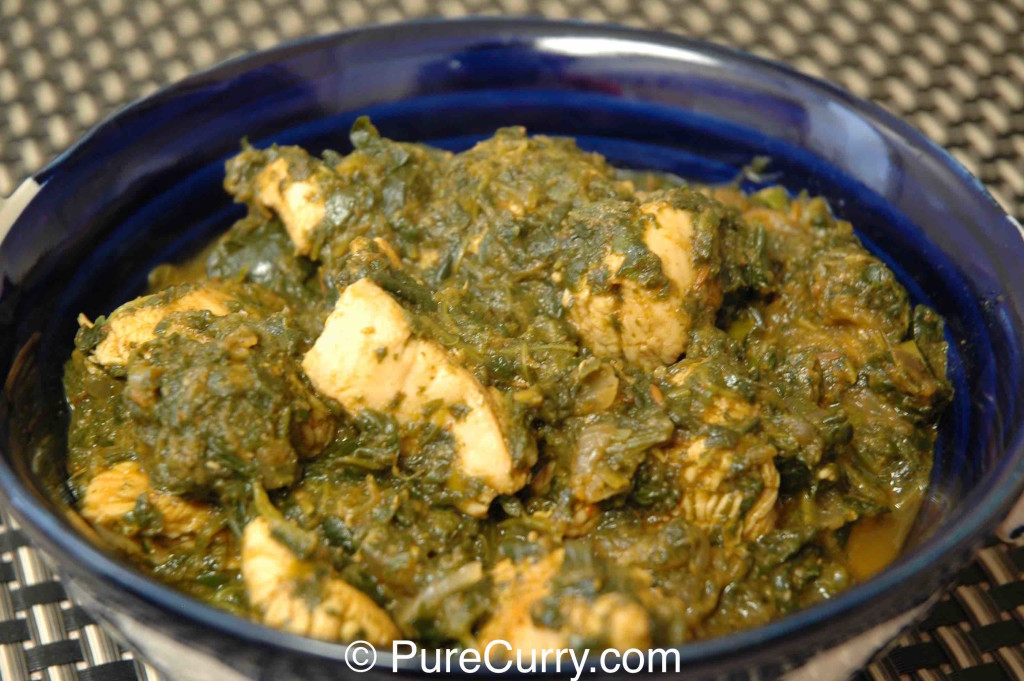
Chicken Saag or Lamb Saag:
Brown chicken or lamb separately, then simmer it in the saag base. The meat juices deepen the flavor of the greens and make the dish feel richer and more complete.
Aloo Saag:
Add boiled or lightly fried potatoes for a hearty, comforting vegan option.
Chana Saag:
Stir in cooked chickpeas for extra protein and texture.
This is what makes saag ideal for meal prep: one cooking session, many different meals—without repetition.
Regional Variations: Many Ways to Treat Greens
Across India, leafy greens are cooked in ways that reflect local ingredients, climate, and taste. Each region approaches saag differently.
Punjabi Sarson ka Saag
The most widely known version, sarson ka saag, is made primarily from mustard greens. It’s boldly flavored with ginger and garlic, thickened with makki ka atta (cornmeal), and almost always finished with butter. The texture is rustic, hearty, and deeply satisfying.
Kashmiri Haak
In Kashmir, haak is lighter and more brothy. Often made with collard greens or kohlrabi leaves, the greens are left whole or roughly chopped rather than puréed. It’s cooked with mustard oil and dried red chilies, usually without onions or tomatoes, resulting in a clean, focused flavor.
Bengali Saag Bhaja
In Bengal, saag bhaja takes a different approach altogether. Greens are finely chopped and stir-fried quickly with minimal seasoning. Instead of becoming a sauce, the greens remain distinct, emphasizing freshness and texture.
Each of these dishes uses greens—but the technique defines the result.
The Final Step: Tempering (Tadka)
The last step in finishing any saag dish is the tempering, or tadka. This is where aroma enters the picture.
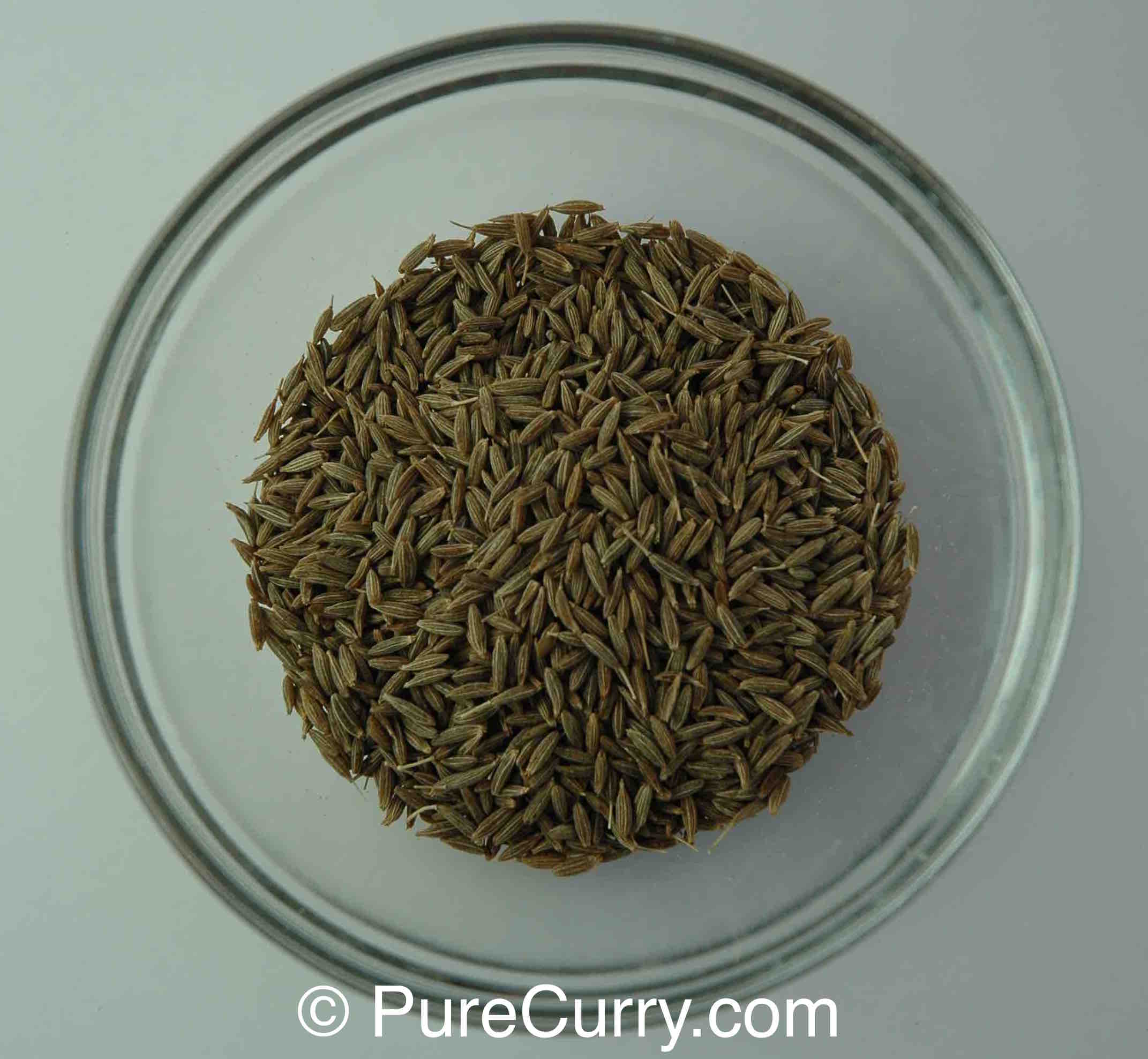
To make tadka, you heat ghee or oil in a small pan and briefly fry whole spices—such as cumin seeds, garlic, or dried chilies—until they sizzle and become fragrant. This hot, flavored fat is then poured over the finished saag.
Why Temper
Oil extracts flavor:
Many of the most aromatic compounds in spices dissolve far better in fat than in water. Frying them in hot oil pulls out flavors that boiling alone can’t access.
Browning creates depth:
When garlic or onions brown in fat, they develop savory, toasted notes that add complexity to the dish.
🧪The Science: What Happens When Garlic and Spices Sizzle
When garlic, onions, or spices hit hot fat, they undergo browning reactions that create hundreds of new flavor compounds. These reactions produce savory, toasted, and nutty notes that simply can’t form in moist cooking.
That’s why the aroma from a tadka pan is so intense – it’s new flavor being created, not just released.
Golden is good. Burnt is bitter. Timing matters.
Aroma leads taste:
Pouring the hot tadka over creamy greens creates an immediate burst of aroma – the “top note” you smell before the first bite. That aroma shapes how the dish tastes.
This final step is small, but transformative.
🧪The Science: Why Tadka Smells So Powerful Before You Even Taste It
When garlic, spices, or chilies hit hot ghee or oil, two important things happen at once.
First, heat triggers browning reactions that create entirely new flavor compounds – savory, nutty, and toasted notes that don’t exist in raw or boiled spices.
Second, those newly formed compounds are carried by the hot fat into the air as aroma. When you bring the dish to your mouth, these aromas travel to your nose through the back of the throat, shaping how the food tastes before it ever touches your tongue.
This is why the final pour of tadka feels dramatic – it creates flavor and delivers it directly to your senses.
That sizzling tadka moment isn’t optional. It’s the bridge between cooking and eating.
The Perfect Pairing of Textures
In Punjab, sarson ka saag is traditionally eaten with makki ki roti, an unleavened flatbread made from cornmeal. This pairing isn’t accidental—it’s about texture.
The saag is soft, creamy, and uniform. The makki ki roti is coarse, crumbly, and slightly rough. Together, they create contrast.
If you pair creamy saag with soft white bread like naan, the textures blur. With makki ki roti, the coarseness forces you to chew, which releases more flavor and makes each bite more satisfying.
Traditional pairings like saag and makki ki roti work not just because of culture, but because they align with how our senses perceive flavor, aroma, and texture.
🧪The Science: Why Creamy Saag Needs a Textural Contrast
Our brains enjoy contrast. When texture stays uniform—soft on soft—flavors feel muted. When textures differ, the brain pays more attention.
Pairing smooth saag with coarse makki ki roti forces more chewing, which:
- Extends the eating experience
- Releases more aroma
- Spreads fat and flavor across the palate
Texture isn’t decoration – it’s part of flavor.
And That’s a Wrap
We’ve traveled from soil to stove to plate.
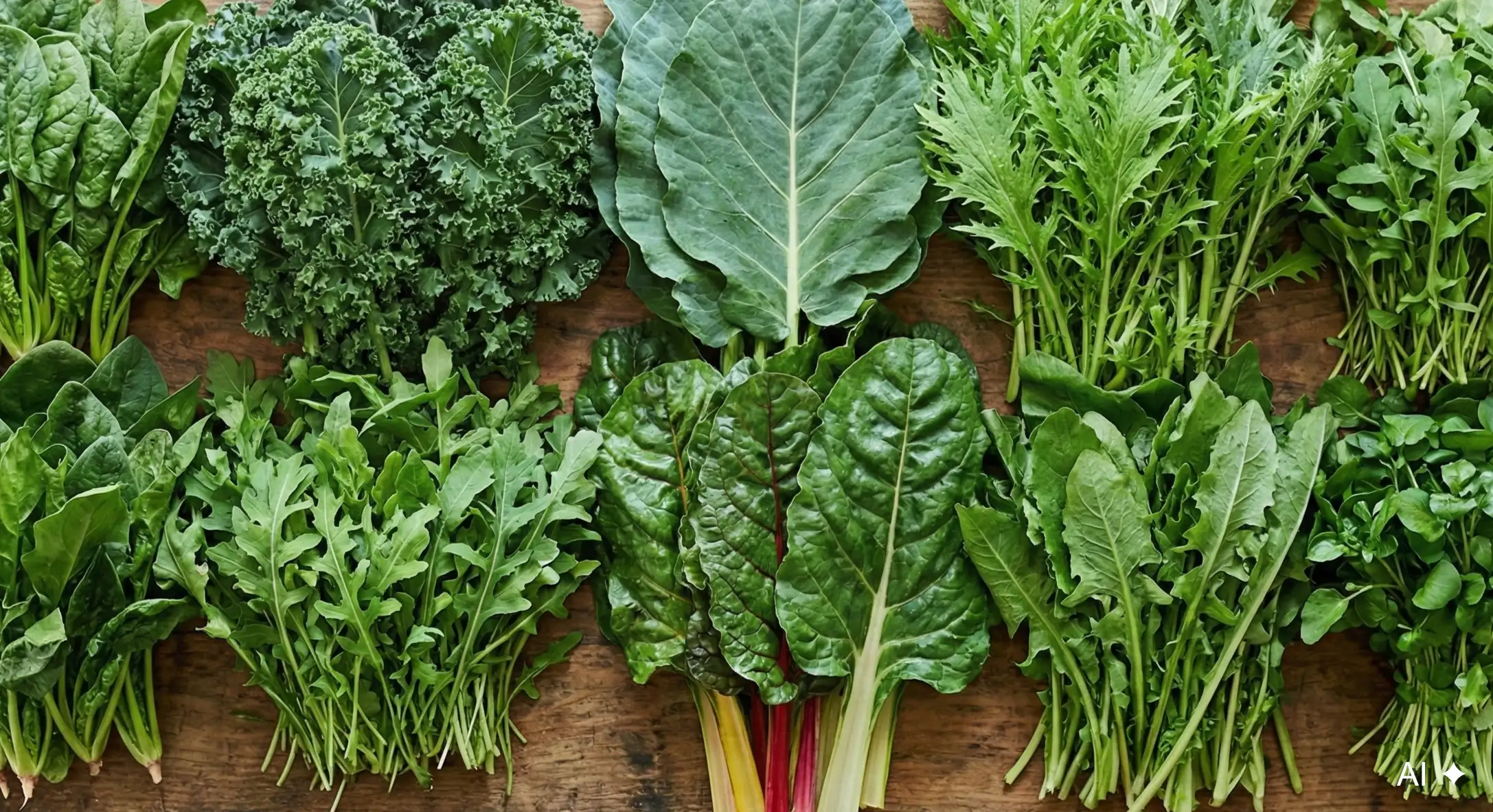
Learn: We discovered that saag is a technique—not just spinach—and that kale and collards are excellent substitutes for mustard greens.
Create: We explored how heat, water, fat, and timing shape color, texture, and flavor.
Savor: We learned how a simple green base becomes a foundation for countless dishes.
Now it’s your turn. Put this knowledge to work with recipes that highlight these techniques and make saag your own.
Leave a Reply