
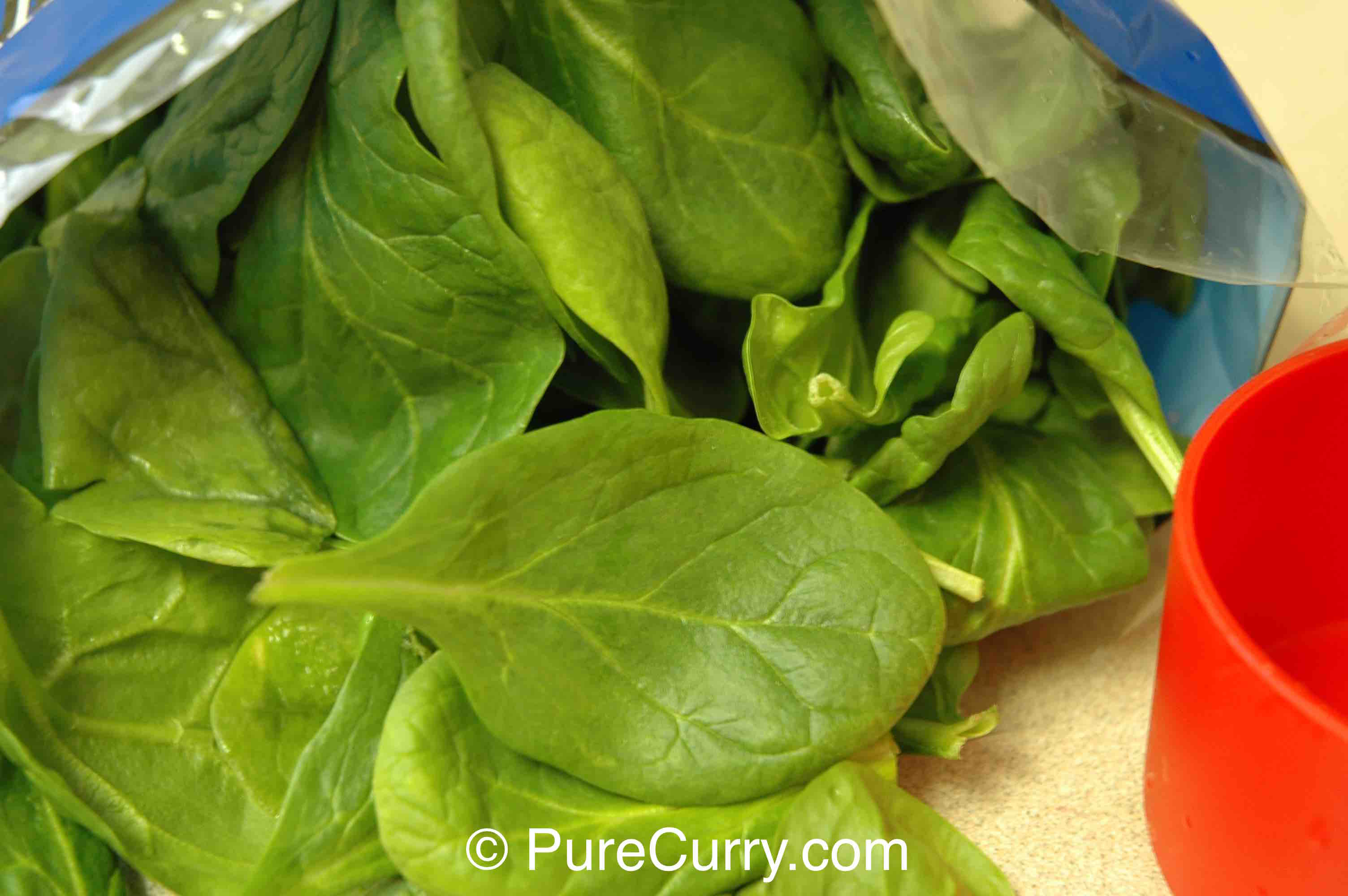
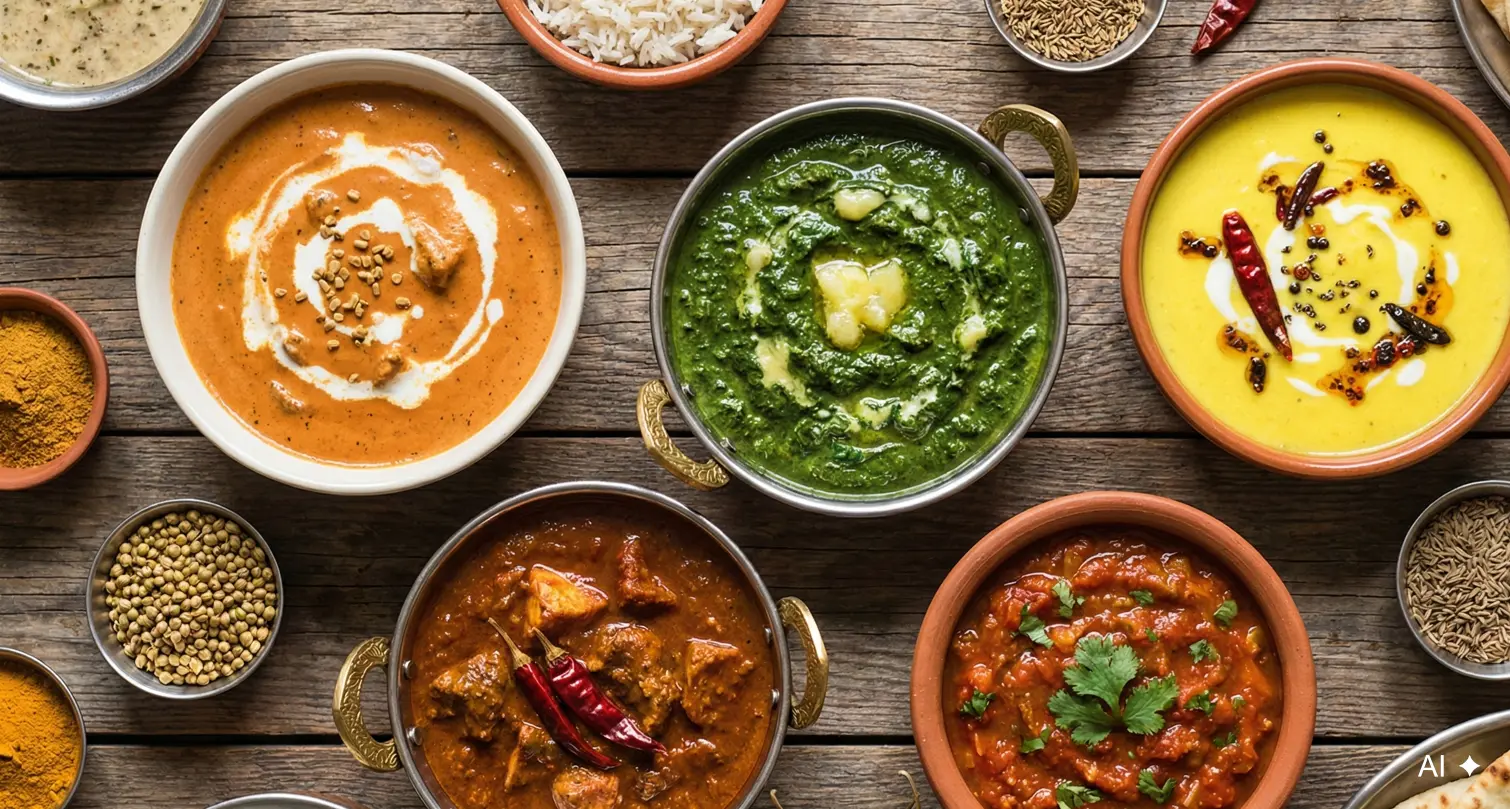
In the Science of Saag series, we take a deep dive into one of the most versatile dishes in Indian cuisine. In this three-part series, we look beyond the recipe card to understand the science behind leafy greens. We travel from the garden to the kitchen to the dining table, exploring how to choose the right greens, the chemistry of keeping them vibrant and flavorful, and how to turn a single base into a variety of delicious meals.
Part 1 (Learn) – Beyond Spinach: Understanding Saag Greens and Their Nutrition.
Part 2 (Create) – Green Chemistry: The Science of Cooking Saag.
Part 3 (Savor) – Saag: The Foundational Sauce: Building Flavor from a Simple Green Base.
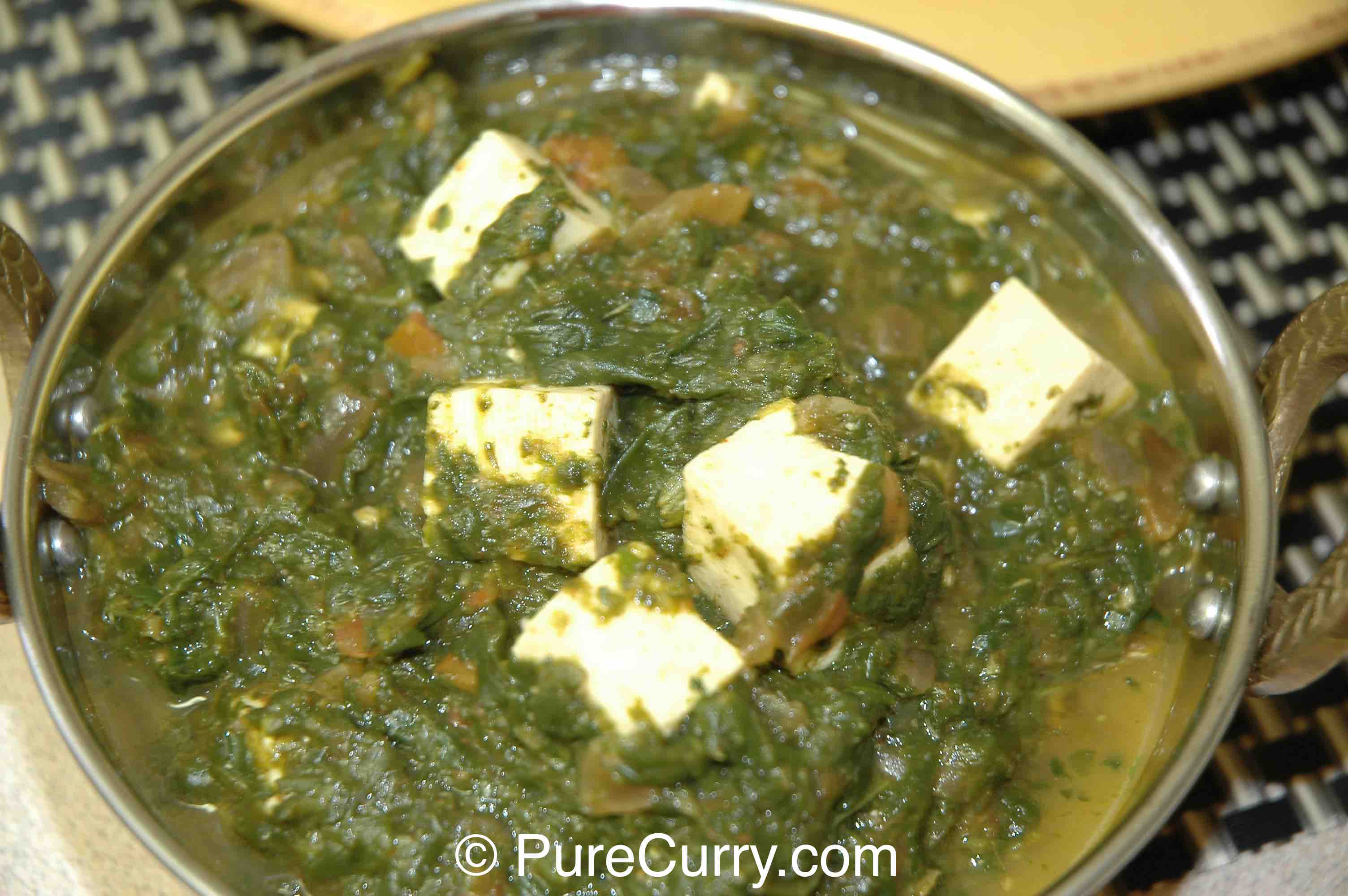
Saag is often mistranslated on restaurant menus as “creamed spinach.” While spinach is a common ingredient, saag is not just a spinach dish, and it’s definitely not about cream.
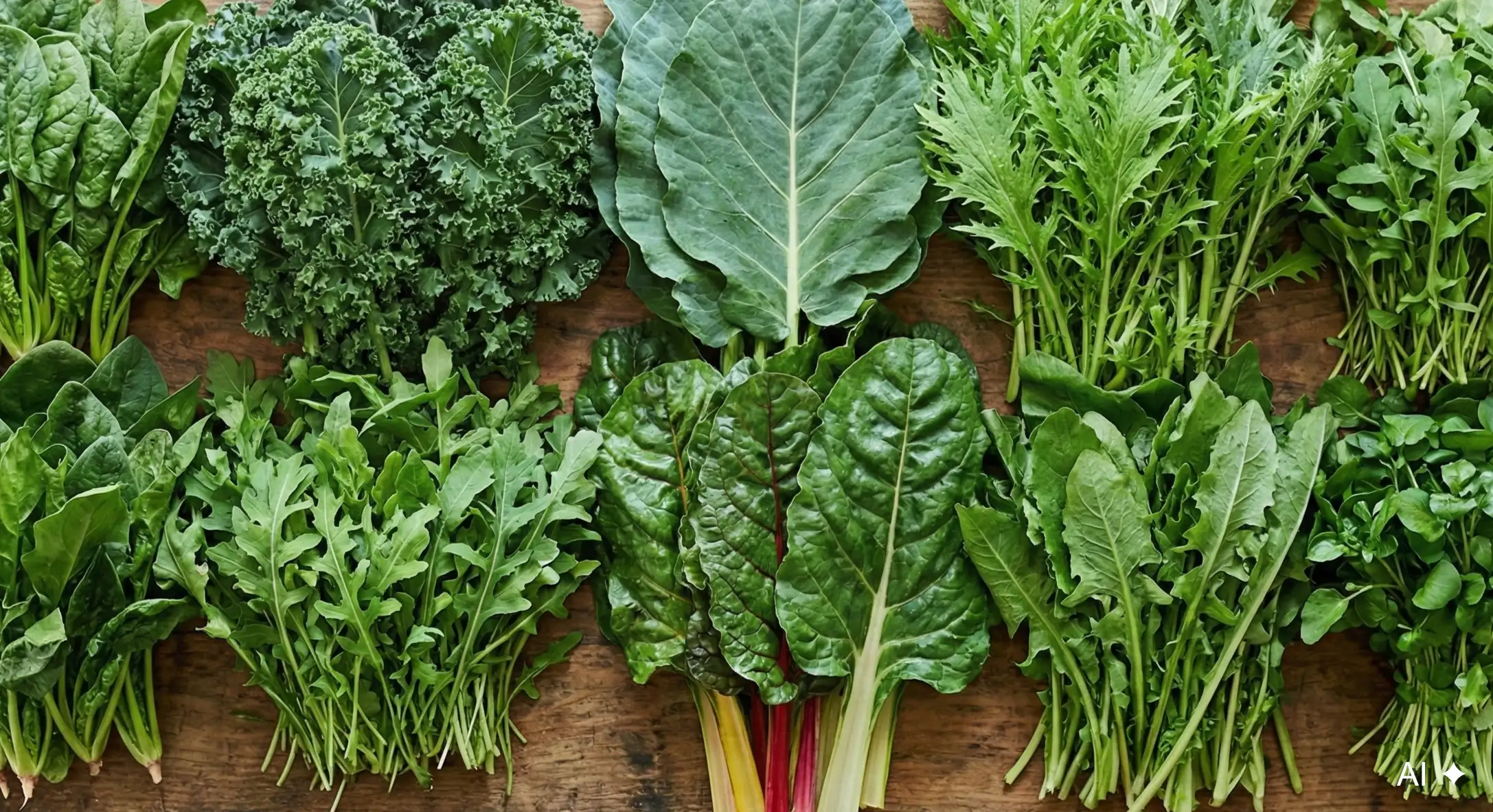
Saag can be made with any leafy greens.
In the spirit of Pure Curry’s Learn. Create. Savor. philosophy, we’ll start this series where every good dish begins: with understanding the ingredients. To cook a great saag, you need to know what saag actually is, which greens work best together, and why this humble dish is such a nutritional powerhouse.
What is Saag?
In Hindi and Punjabi, the word saag simply means leafy greens. On a menu or in a home kitchen, it refers to a dish where greens are slowly cooked with spices until they soften, collapse, and come together into a thick, spoonable stew.
Saag is not just a single recipe, it’s a technique to cook
At its core, saag is about transforming tough, fibrous leaves into something soft, savory, and deeply comforting. While you can make saag with only spinach, traditional versions usually combine multiple greens to create balance, adding boldness from one, softness from another, and aroma from a third.
Once you understand that structure, you’re no longer limited by what’s available at an Indian grocery store..
The Three Categories of Greens in Saag
You don’t need “authentic” ingredients to make authentic saag. What you need is an understanding of the roles different greens play in the dish.
Think of saag greens in three categories: the base, the body, and the seasoning.
Once you know these, you can mix and match confidently using greens from any supermarket.
The Spicy Greens (The Base)
These greens provide the main flavor and structure. They are usually tougher and have a sharp or peppery taste.
Traditional:
Mustard Greens (Sarson). These are the classic choice in North Indian saag, known for their peppery, horseradish-like bite.
Easy Substitutes:
- Kale
- Collard Greens
- Turnip Greens.
Why they work:
Kale and Collards belong to the same plant family (Brassica) as Mustard Greens. They share a similar toughness and earthy flavor, which means they hold up well to long cooking and give saag its characteristic depth.
🧪The Science: Why Are Some Greens Bitter?
Many of the greens used in saag—like mustard greens, kale, and collards—belong to the Brassica family. These plants produce natural compounds called glucosinolates, which are part of the plant’s defense system.
When the leaves are raw or lightly cooked, glucosinolates create sharp, peppery, or bitter flavors. Slow cooking breaks these compounds down, softening the bitterness and turning that sharpness into depth and savoriness.
This is why traditional saag isn’t rushed. Time and gentle heat transform tough greens from harsh to harmonious.
The Soft Greens (The Body)
These greens bring balance. They have higher water content and break down quickly, helping turn the cooked greens into a smooth, cohesive sauce.
Traditional:
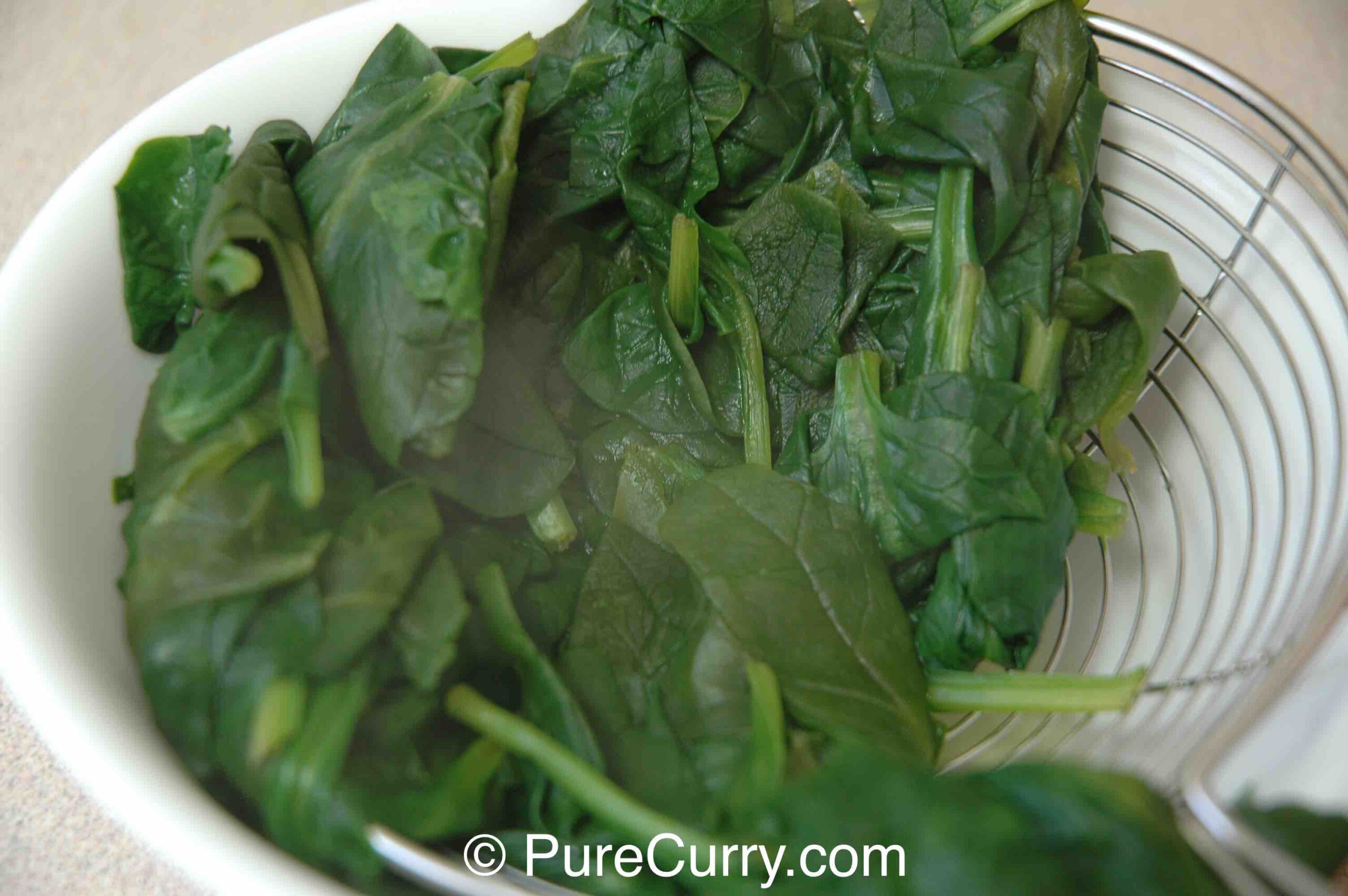
- Palak (Spinach)
- Bathua (Lamb’s Quarters).
Easy Substitutes:
- Swiss Chard
- Beet Greens
Why they work:
These greens “melt” as they cook, creating the silky texture that ties the dish together. Without them, saag can taste harsh or feel coarse.
The Aromatic Greens (The Seasoning)
These are used sparingly, but they make a big impact. Their job is aroma, not bulk.
Traditional: Fenugreek (Methi). It adds a distinctive savory aroma that many people recognize instantly as restaurant-style saag.
Easy Substitutes:
- Fresh Dill
- A small handful of Arugula.
A little goes a long way here—think of these as herbs, not main ingredients.
🧪The Science: Why Do Soft Greens “Melt” While Others Stay Firm?
Not all greens are built the same. Spinach, chard, and beet greens have thinner cell walls and higher water content than sturdier greens like kale or mustard.
When heated, their cell structure collapses quickly, releasing water and forming a smooth, almost creamy texture. Tougher greens, by contrast, hold their shape longer and provide body and structure.
While mixing greens may appear to be about tradition, it’s really about texture. Soft greens create the sauce; sturdy greens give saag its backbone.
The Nutrition: Why Saag Needs Fat and Acid
Saag has a reputation for being healthy, and it deserves it. But the traditional ingredients used to cook saag aren’t just about flavor. They play a crucial role in how your body absorbs nutrients.
Why Saag Needs Fat
Leafy greens are rich in vitamins A, D, E, and K. These are fat-soluble vitamins, which means your body can’t absorb them unless fat is present.
What this means in practice:
Eating plain boiled greens leaves a lot of nutrition on the table.
The Solution:
Cooking saag with ghee, butter, or oil acts as a delivery system, helping your body absorb the vitamins locked inside the leaves.
🧪The Science: Why Saag Needs Ghee or Oil
Leafy greens are rich in vitamins A, D, E, and K, which are classified as fat-soluble. That means your body can only absorb them when fat is present during digestion.
Without fat, many of these nutrients simply pass through your system unused.
Cooking saag with ghee, butter, or oil isn’t about making the dish richer. Fat helps your body access the nutrition already in the greens.
Why Saag Needs Acid
Greens are also high in iron, but it’s a form of iron that your body struggles to absorb on its own.
The Fix:
Vitamin C dramatically improves iron absorption.
How this shows up in the kitchen:
A squeeze of lemon juice at the end, or cooking the greens with tomatoes, isn’t just tradition – it’s smart cooking.
🧪The Science: Iron in Greens and the Role of Acid
The iron found in leafy greens is non-heme iron, a form that the body absorbs less efficiently than iron from meat.
Vitamin C changes that.
When vitamin C is present, it converts iron into a form that’s easier for your body to absorb, sometimes dramatically increasing how much iron you actually get from the dish.
A squeeze of lemon juice or the addition of tomatoes helps your body unlock the iron in saag.
What Comes Next?
Now that we understand what saag really is, and why Kale is a great substitute for Mustard Greens, we are ready to cook.
In Part 2 (Create): Green Chemistry, we’ll move into the pot and explore what actually happens when greens hit heat. We’ll cover how to manage large volumes of leaves, why greens sometimes turn brown, and how to tame bitterness without losing freshness.
This is where technique turns knowledge into confidence.
Leave a Reply