
Learn. Create. Savor.
At Pure Curry, cooking isn’t about following recipes — it’s about understanding them.
The Multidimensional Saag
In the world of Indian cooking, few dishes are as misunderstood as saag. Too often, it’s described as “creamed spinach,” when in reality, saag is a method – a thoughtful, adaptable way of cooking leafy greens that varies by region, season, and household.
From the bold bite of mustard greens in Punjab to the gentle sweetness of spinach, saag transforms humble leaves into something deeply nourishing and complex. It’s rustic and refined at the same time.
Aligned with Pure Curry’s philosophy of Learn. Create. Savor., this series explores saag not just as a recipe, but as a process. You’ll learn how greens behave when cooked, why certain techniques preserve color and flavor, and how small choices in the kitchen lead to big differences on the plate.
This is not about memorizing steps, instead it’s about understanding why saag works, so you can cook it confidently with whatever greens you have on hand.
Part 1: Beyond Spinach: Understanding Saag Greens and Their Nutrition
Status: Live
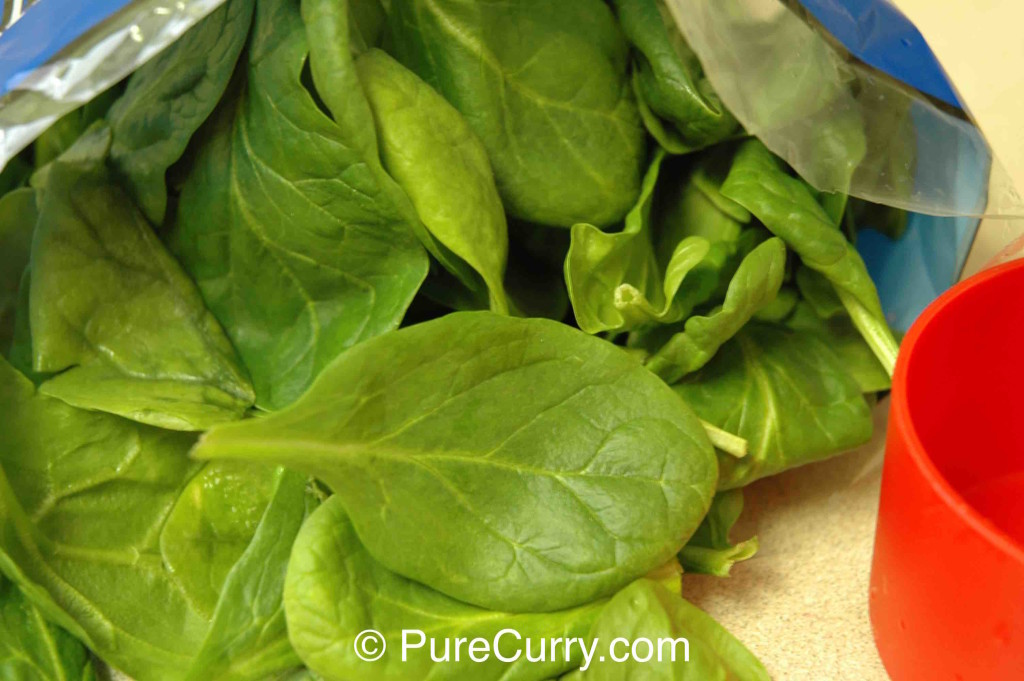
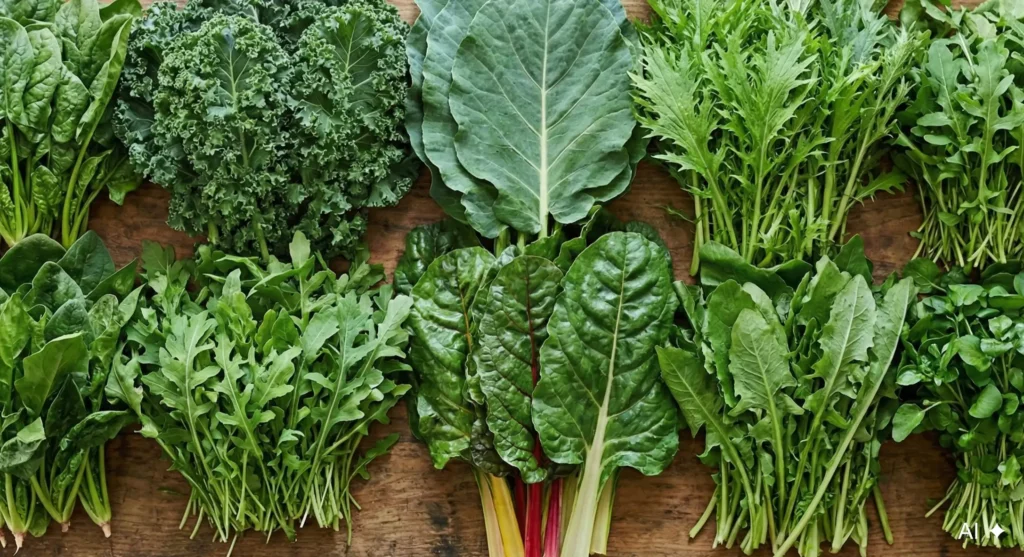
Before anything goes into the pot, it helps to know what you’re working with. Saag isn’t limited to spinach or to what’s labeled “Indian greens” at the store. In this part, we explore how traditional saag greens relate to familiar Western greens like kale, collards, and chard, and how their structure affects cooking time, texture, and flavor.
You’ll also learn why leafy greens are nutritional powerhouses, and how cooking techniques can help your body actually absorb those nutrients, without turning your saag dull or lifeless.
Part 2: Green Chemistry
Status: Live
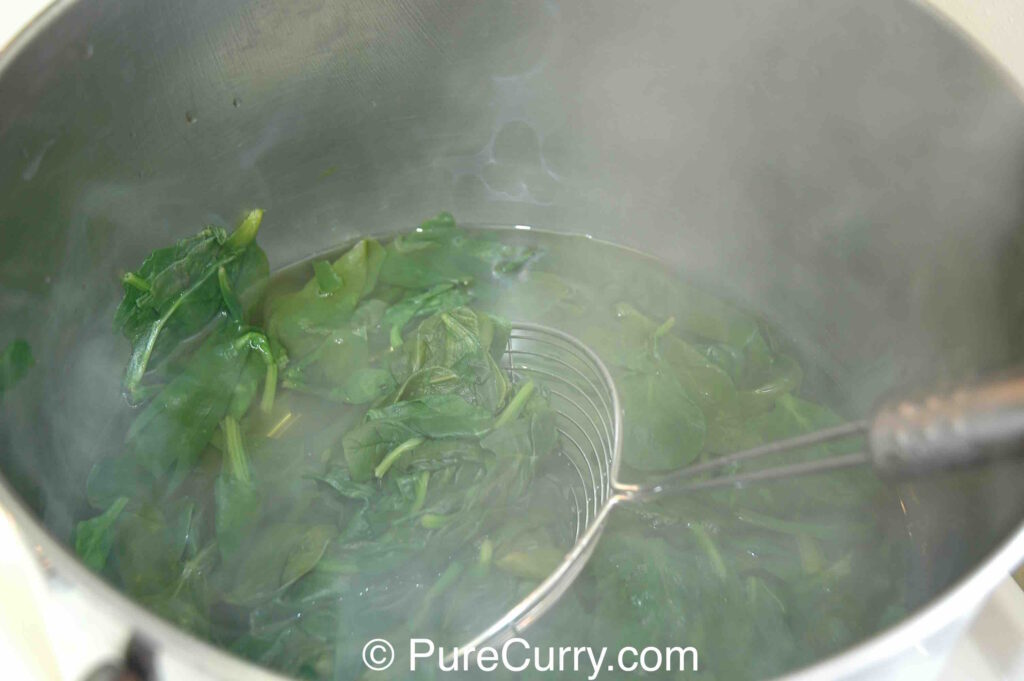
Why does restaurant saag stay bright green, while home-cooked versions often turn murky or brown? The answer lies in how greens respond to heat, acidity, and time.
In this part, we break down what happens to greens as they cook – why bitterness softens, how color is preserved or lost, and how to handle large volumes of leaves without overcooking them. You’ll learn practical techniques to keep saag fresh-tasting and vibrant, even when working with sturdier greens.
Part 3: The Foundational Sauce
Status: Live
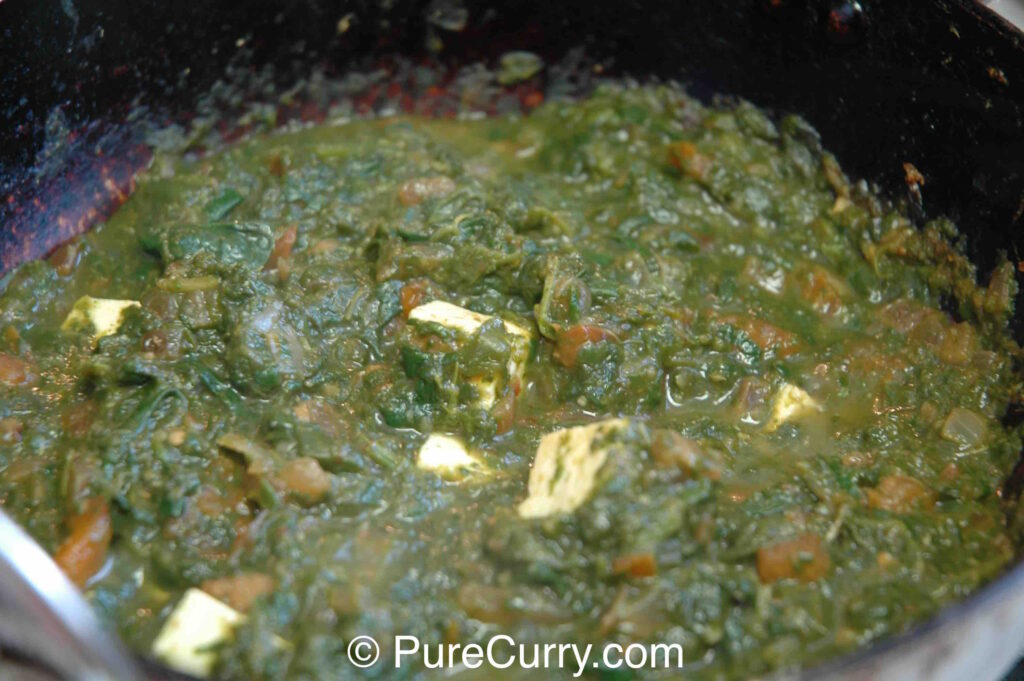
Once you understand the greens and the technique, saag becomes a powerful foundation. In Part 3, we bring everything together to show how a well-made saag base can be adapted for paneer, meat (gosht), potatoes (aloo), and more.
We’ll also explore regional variations and why certain pairings work so well—like the coarse bite of makki ki roti alongside the smooth, comforting richness of saag. This is where technique meets tradition, and where saag becomes more than a side dish.