
Learn. Create. Savor.
At Pure Curry, cooking isn’t about following recipes — it’s about understanding them.
Mastering Bitterness: The Science of Karela
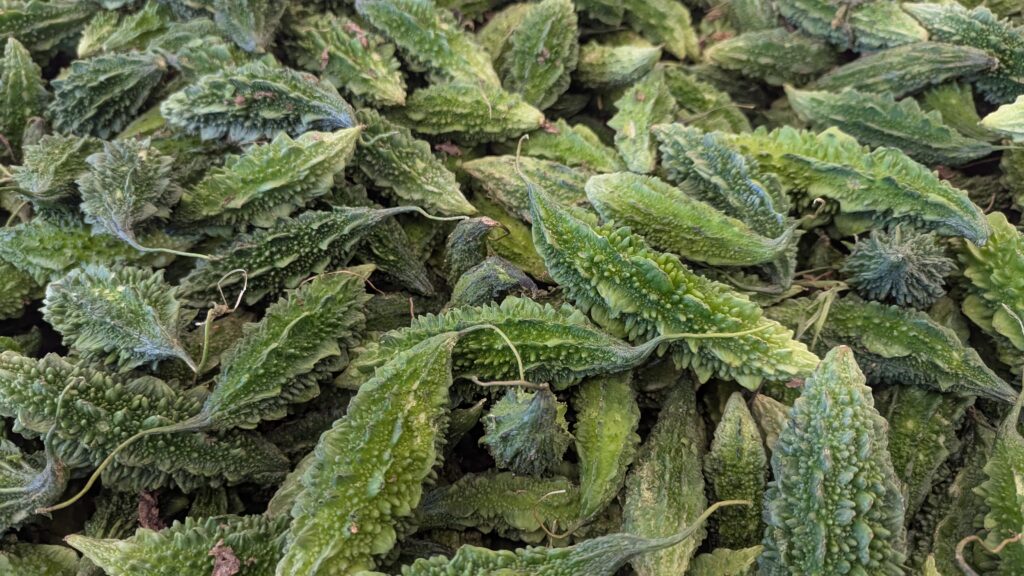
Bitter gourd, also known as karela, is one of the most misunderstood vegetables in the kitchen. Its sharp bitterness can be startling at first, yet across many food traditions it is valued not in spite of that bitterness, but because of it. From appetite signaling and digestion to the way the body responds to blood sugar, karela sits at a fascinating crossroads of flavor, physiology, and technique.
This series takes a science-informed, kitchen-practical look at karela: why it tastes the way it does, how bitterness interacts with the body, and how traditional cooking methods transform it into something deeply satisfying. Instead of trying to hide or erase bitterness, we focus on understanding it—learning how to manage, balance, and even appreciate it through thoughtful preparation and cooking.
Whether you’re curious about karela’s reputation for health benefits, want to understand what’s actually happening when you salt or squeeze it, or are simply looking for ways to cook it so it tastes genuinely good, this series will help you move from avoidance to confidence.
In the Mastering Bitterness: The Science of Karela series, we apply the Learn. Create. Savor. philosophy to one of the most challenging ingredients in the Indian kitchen. We move beyond the idea of an “acquired taste” to understand how the plant works, why traditional techniques exist, and how flavor balance turns bitterness into intention.
Part 1: The Biology of Bitterness
Status: Live
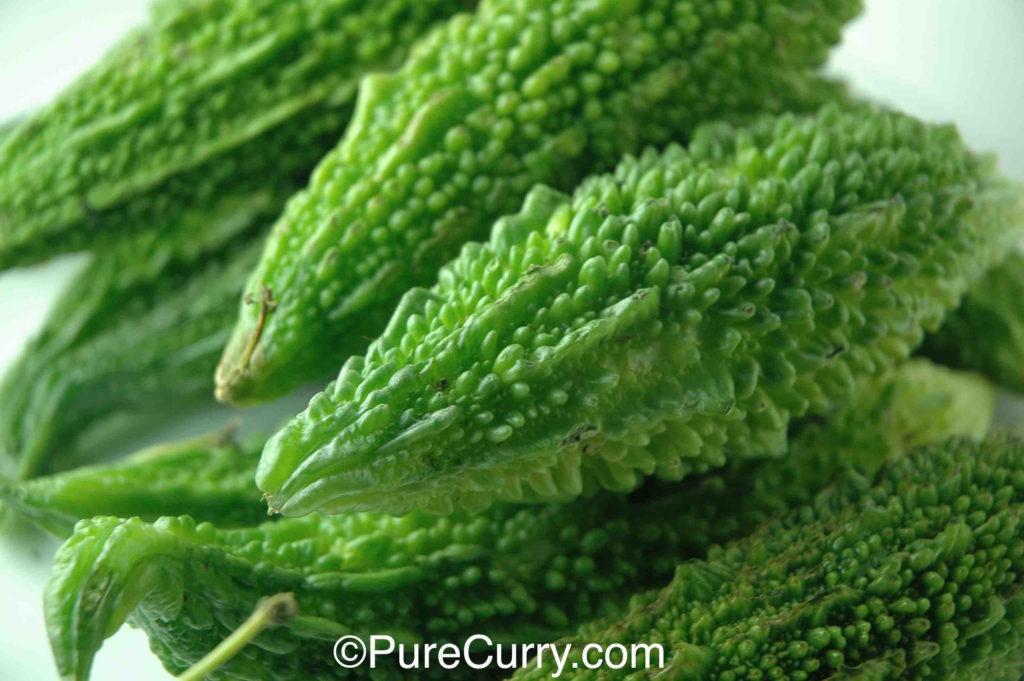
Why does karela provoke such an immediate, almost instinctive reaction? In this opening post of the series, we begin with the Learn phase—unpacking the biology behind bitter gourd before ever stepping into the kitchen. From its botanical identity as a fruit in the Cucurbitaceae family to the evolutionary purpose of its intense bitterness, this post explains why karela demands a different approach than most vegetables.
Key Topics:
- The biology and evolution of bitterness—and why karela tastes the way it does
- Karela’s botanical identity and the differences between its major varieties
- The biochemical basis of karela’s role in blood sugar management
- How to select young, high-quality karela for better flavor and texture
Part 2: How to Reduce Bitterness in Karela
Status: Live
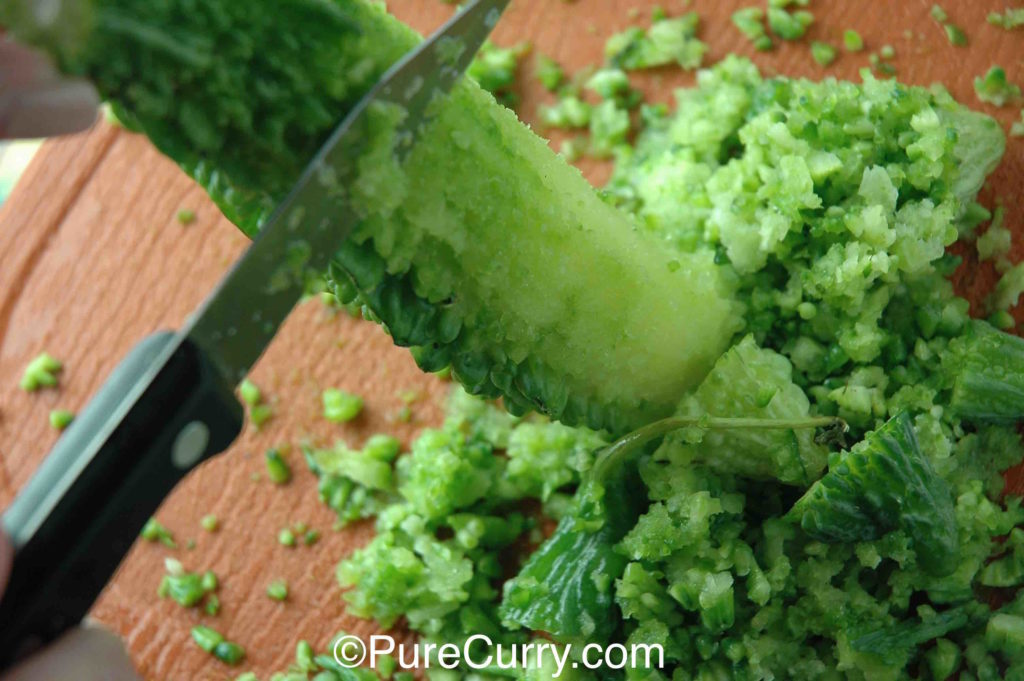
Bitterness in karela isn’t something you simply “cook away.” It’s shaped long before the pan gets hot. This article breaks down the three main ways bitterness is reduced during traditional prep—through cutting, salting, resting, and cooking—and explains why these steps work so reliably.
Key Topics:
- Where bitter compounds are concentrated and how smart cutting reduces their impact.
- How salting draws out bitterness while improving texture.
- Why resting and squeezing karela changes it before it ever hits heat.
- How different cooking methods soften and reshape bitterness.
Part 3: The Alchemy of Flavor: Balancing Bitter, Sweet & Sour
Status: Live
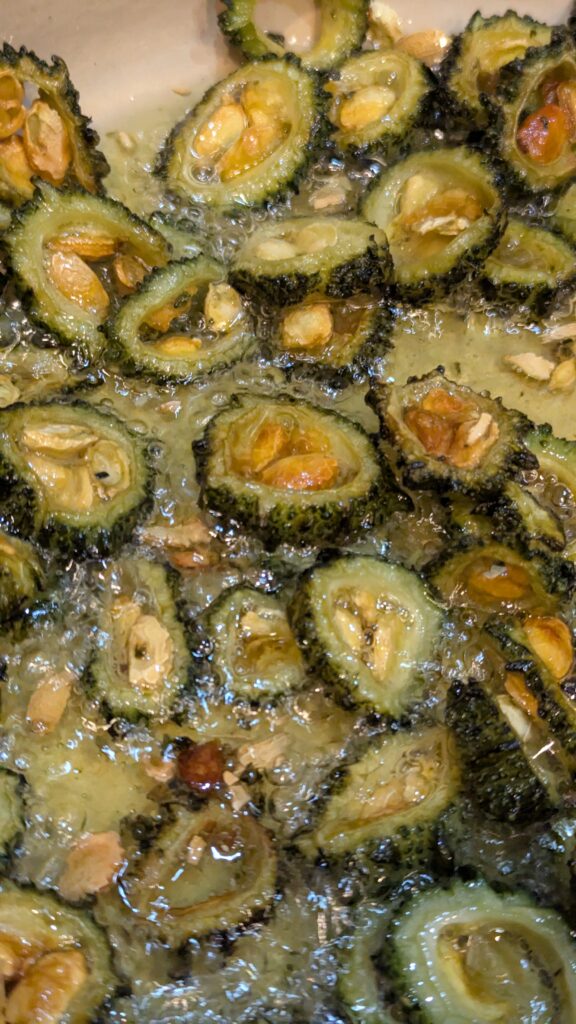
Once bitterness is under control, the real transformation begins. This final post focuses on balance—how karela becomes not just tolerable, but deeply enjoyable when bitterness is supported by the right flavors and textures.
Key Topics:
- How sour, sweet, and fat soften bitterness at a sensory level
- Traditional Indian ingredients that naturally complement karela
- How spices and aromatics lift and round bitter notes
- Why texture changes the way bitterness is experienced