
Welcome to The Mastering Bitterness Series, where we explore the science of Bitter Gourd (Karela).
In this 3-part masterclass, we apply the Learn. Create. Savor. philosophy to the most polarizing ingredient in the Indian kitchen: Karela (Bitter Gourd). We explore the biology, physics, and chemistry behind Karela to help appreciate what you need to do, to get the best results.
Part 1 (Learn) – The Biology of Bitterness: Understanding why karela tastes the way it does, and why that matters.
Part 2 (Create) – How to Reduce Bitterness in Karela: What salting, squeezing, and cooking actually do.
Part 3 (Savor) – The Alchemy of Flavor: Balancing bitter, sweet, sour, and fat to make karela crave-worthy.
Using Prep, Salt, and Heat to Bring Bitterness into Balance
In Part 1, we identified the core challenge of cooking karela: its bitterness.
Now it’s time to step into the kitchen and learn how cooks have dealt with that challenge for generations.
The goal here is not to erase bitterness completely. A good karela dish still tastes like karela. What we’re doing instead is lowering the intensity, smoothing the rough edges, and shaping bitterness so it adds character rather than overwhelming the dish.
To do this, we rely on:
- Smart preparation
- Salting and resting
- Intentional cooking methods
Each one reduces bitterness in a different way, and together they give you control.
Smart Preparation: Reducing Bitterness Before Cooking
Bitterness isn’t evenly distributed throughout karela. Some parts contribute far more than others, which means careful prep can make a dramatic difference before you ever turn on the stove.
The Ridges (Where Bitterness Hits First)
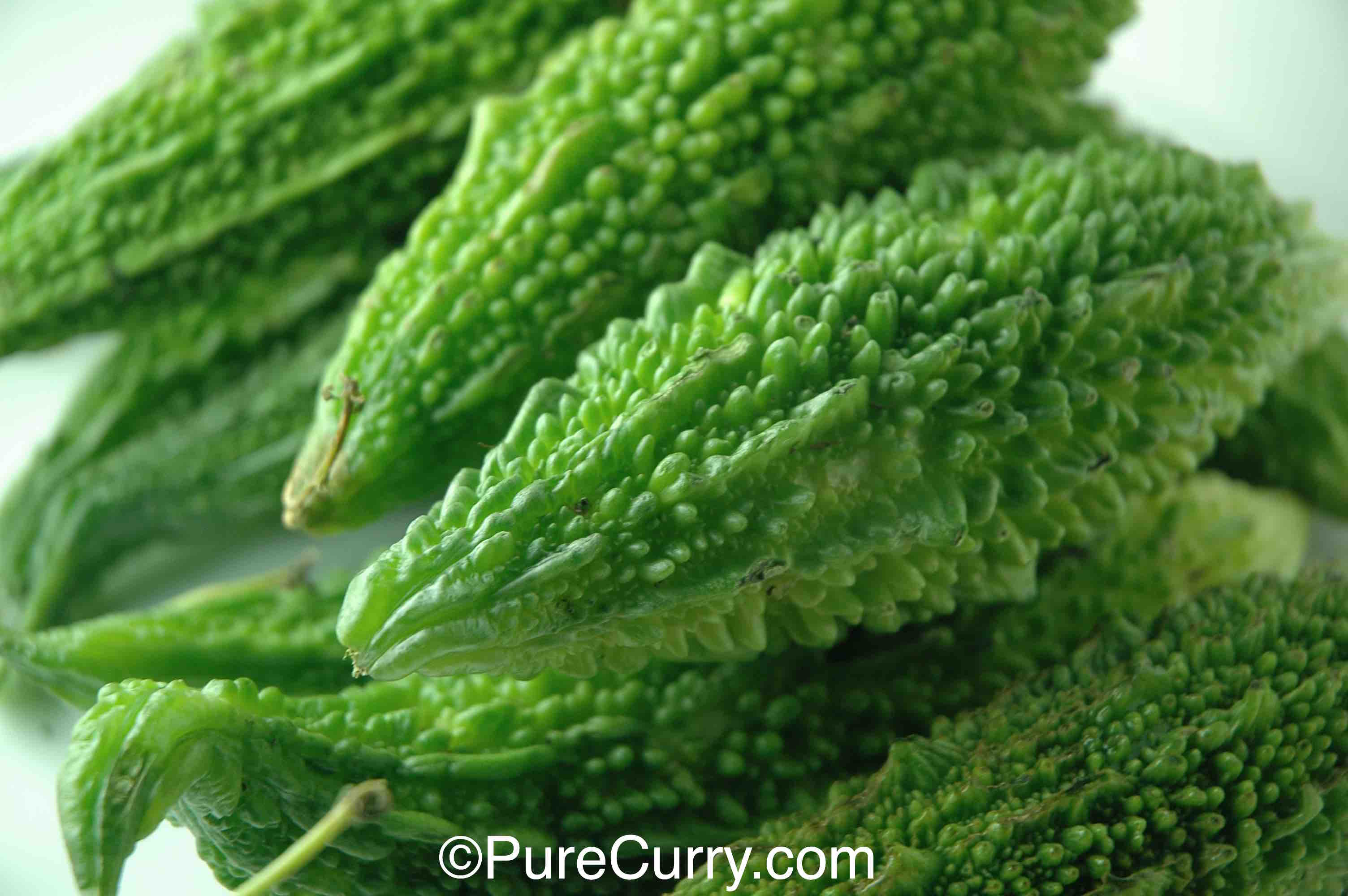
The jagged outer ridges pack a strong initial bite. Leaving them completely intact can make the first taste feel aggressive.
Technique:
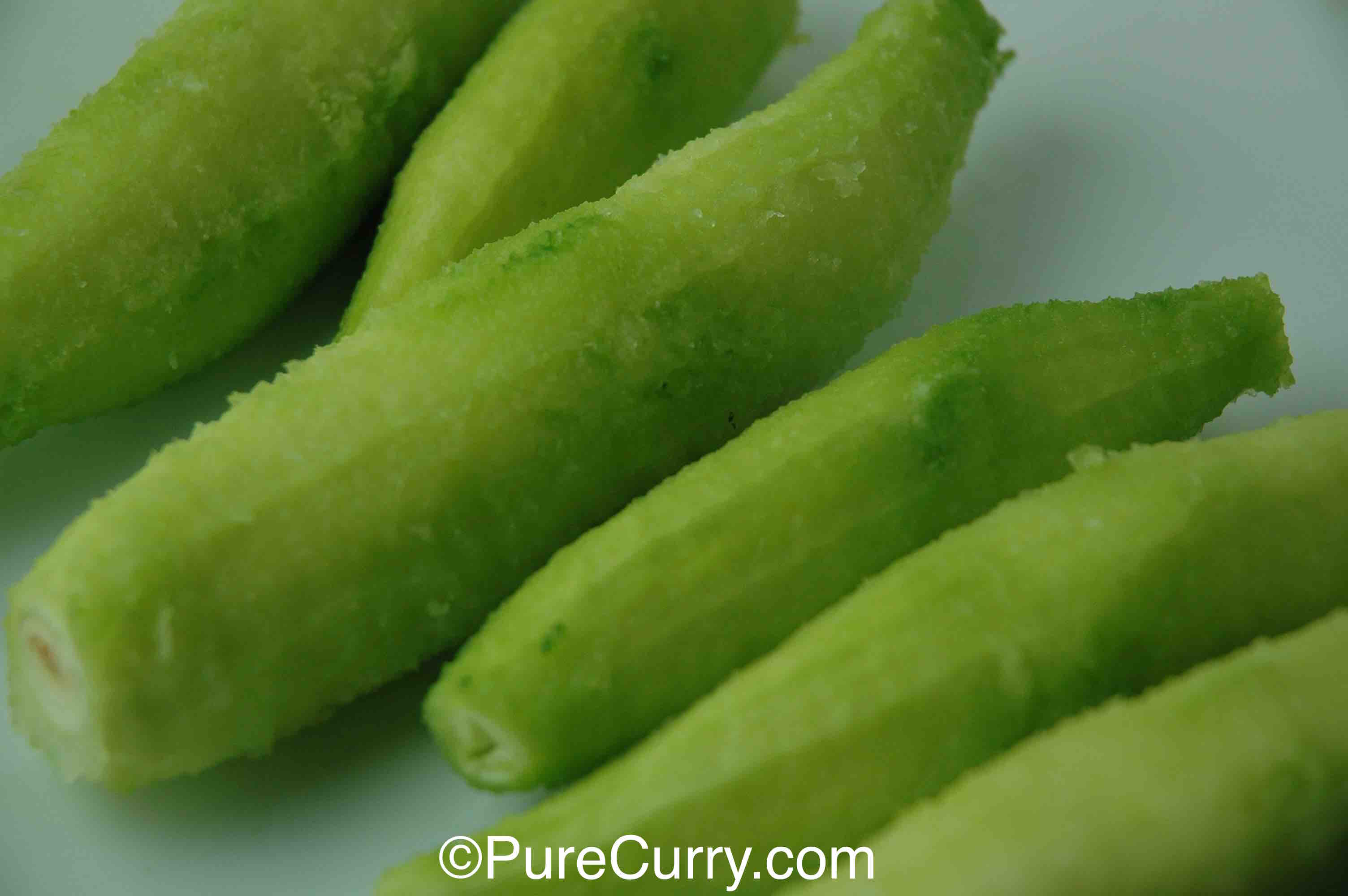
Lightly scrape or shave down the sharp ridges using a peeler or knife. You’re not trying to remove the skin, just softening its impact.
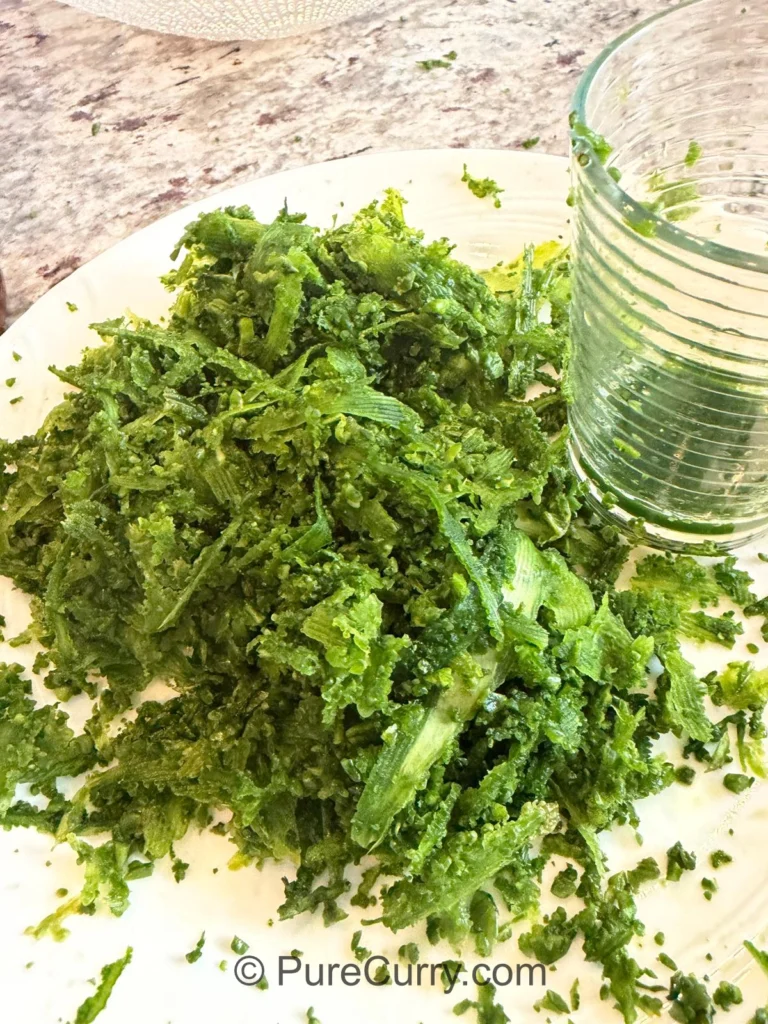
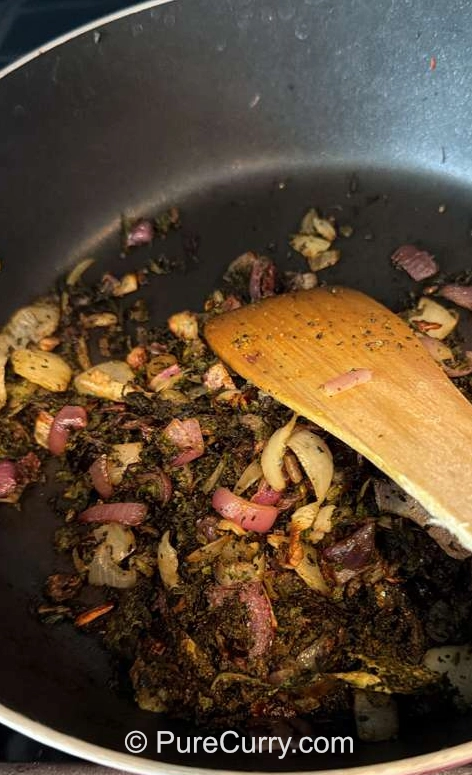
Tip: Don’t throw the scrapings away. Salt them well and fry until crisp for a crunchy, intensely bitter garnish that some people love.
Karela Peels
Karela Peels Fried
The Seeds and Pith (Where Texture Suffers Most)
As karela matures, the seeds harden and the white interior pith becomes spongy and unpleasant.
Technique:
Slice the karela lengthwise and scoop out the seeds and pith. This immediately improves texture and removes bitterness that tends to linger on the tongue.
Bonus:
You now have a hollow center that’s perfect for stuffing.
🧪The Science: Where Bitter Compounds Are Concentrated
Where Bitterness Lives in Karela
Bitter compounds in karela are not evenly distributed throughout the fruit. They are most concentrated in areas that protect the seeds—particularly the outer ridges, inner pith, and seed cavity.
From a biological perspective, this makes sense: these regions act as the plant’s first line of defense against being eaten before the seeds are mature.
This uneven distribution is why strategic trimming has such a large impact on flavor. Removing or reducing these high-bitterness zones lowers the overall intensity without stripping the fruit of its identity.
Salting and Resting: Letting Time Do the Work
This step is non-negotiable in most traditional karela preparations. Salt isn’t just seasoning here.
When salted karela rests, liquid is drawn out of the flesh. That liquid carries much of the bitterness with it.
What This Step Accomplishes
- Bitterness reduction: Bitter juices are pulled out and discarded
- Texture improvement: The flesh softens and becomes more cooperative during cooking
- Flavor readiness: The karela absorbs seasoning more evenly later
Action Step:
Slice karela, rub generously with salt, and let it rest for 20–30 minutes. Then squeeze firmly to remove as much liquid as possible. Rinse lightly if needed and pat dry.
This single step often makes the difference between a harsh dish and a balanced one.
🧪The Science: Why Salting Draws Out Bitterness
How Salt Pulls Bitterness Out of Karela
When raw karela is heavily salted, the surface of the vegetable becomes much saltier than the inside. To restore balance, water moves out of the karela’s cells and toward the salt on the surface.
As this water escapes, it carries dissolved bitter compounds with it. This is why liquid pools at the bottom of the bowl during resting, and why squeezing that liquid out makes such a dramatic difference.
Salting also changes texture. As moisture leaves the cells, the flesh softens and becomes more flexible, which improves how karela cooks later.
The key takeaway: salt isn’t masking bitterness – it’s physically removing it.
🧪The Science: Texture Changes During Salting
Why Salt Makes Karela Softer Before Cooking
Inside fresh karela, water pressure keeps cells firm and rigid. When salting draws moisture out, that internal pressure drops.
The result is a subtle collapse of the cell structure. This makes the slices bend instead of snap and allows them to absorb oil and seasoning more evenly during cooking.
This is why salted karela behaves differently in the pan—even before heat is applied.
Cooking with Intention: How Heat Changes Bitterness
Once karela is properly prepped, heat becomes your final shaping tool. Different cooking methods affect texture and they change how bitterness is perceived.
Blanching: Effective but Blunt
Boiling karela in salted water pulls bitterness into the cooking liquid, which is then discarded. Draining that water removes bitterness—but it also removes water-soluble flavor compounds and nutrients.
Because boiling works by dilution rather than transformation, it tends to flatten flavor and soften texture. This is why blanched karela often needs aggressive seasoning afterward to feel satisfying.
Blanching is effective, but it’s a blunt tool. This method is useful when bitterness needs to be aggressively reduced, but it often requires strong seasoning afterward to bring the dish back to life.
Frying and Sautéing: Building Flavor to Balance Bitterness
Frying is where karela truly starts to shine. As the surface browns, new flavors develop—savory, nutty, and slightly sweet—that soften bitterness on the palate.
Why it works:
Instead of removing bitterness, this method surrounds it with competing flavors. The bitterness doesn’t disappear; it simply stops being the loudest voice in the dish.
This is why so many beloved karela recipes rely on shallow frying, slow sautéing, or layered cooking rather than boiling alone.
🧪The Science: Browning and Flavor Development
How Browning Makes Bitterness Less Noticeable
High heat triggers chemical reactions between natural sugars and proteins in karela. These reactions create hundreds of new flavor compounds that are savory, nutty, and slightly sweet.
These flavors don’t remove bitterness—but they compete with it. On the palate, bitterness becomes one note among many instead of the dominant one.
This is why browned karela tastes richer and more balanced than pale, undercooked slices—even when the bitterness is technically still present.
What Comes Next
At this point, bitterness is no longer in control – you are. The karela is tender, balanced, and ready to be shaped into a finished dish.
In the final post of this series, Part 3 (Savor) – The Alchemy of Flavor, we’ll move from control to creativity. You’ll learn how sour, sweet, fat, and aroma work together to turn karela into something not just edible, but genuinely crave-worthy.
Leave a Reply