Learn. Create. Savor.
At Pure Curry, cooking isn’t about following recipes — it’s about understanding them.
The Pulse of Indian Cooking
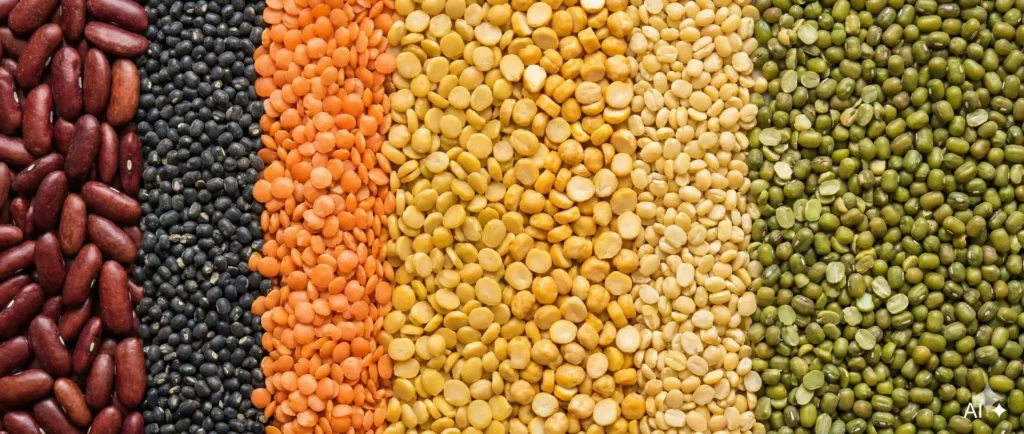
Walk down the legume aisle of an Indian grocery store and you are immediately confronted with questions. Why does the same ingredient have multiple names? Why is it sold whole, split, skinned, or polished? Why does one dal become creamy in fifteen minutes while another refuses to soften no matter how long it cooks? And perhaps most frustrating of all: why does restaurant dal taste rich and layered, while homemade dal often feels flat?
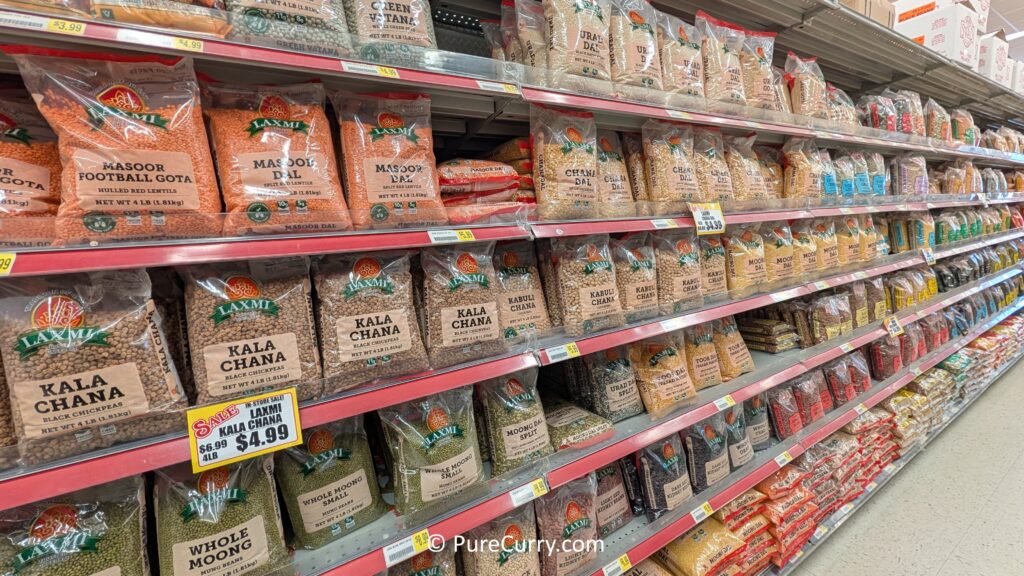
At Pure Curry, we believe that mastery of Indian cooking comes from understanding, not memorization. Dal is not merely a recipe, but a framework of ingredients, processing, and technique that can be learned and applied across countless dishes.
The Decoding Dal Series is a structured guide to that framework. Over three parts, you will learn to identify the most common lentils and legumes, understand how soaking and cooking transform them, and use the defining techniques of Indian cuisine like tempering (tadka) and smoking (dhungar) to build flavor with intention. Instead of following instructions by rote, you will gain the confidence to adjust cooking times, textures, and seasonings based on the dal you are using.
Guided by our Learn. Create. Savor. philosophy, this series moves from classification to cooking science to flavor building, so that every bowl of dal you make is balanced, purposeful, and deeply satisfying.
This is not a series about one “correct” way to cook dal. It is a series about understanding dal well enough to cook it your way, consistently and confidently.
The Decoding Dal Series is broken down into three parts.
Part 1 – Types of Indian Lentils Explained: Names, Families, and Processing
Status: Live
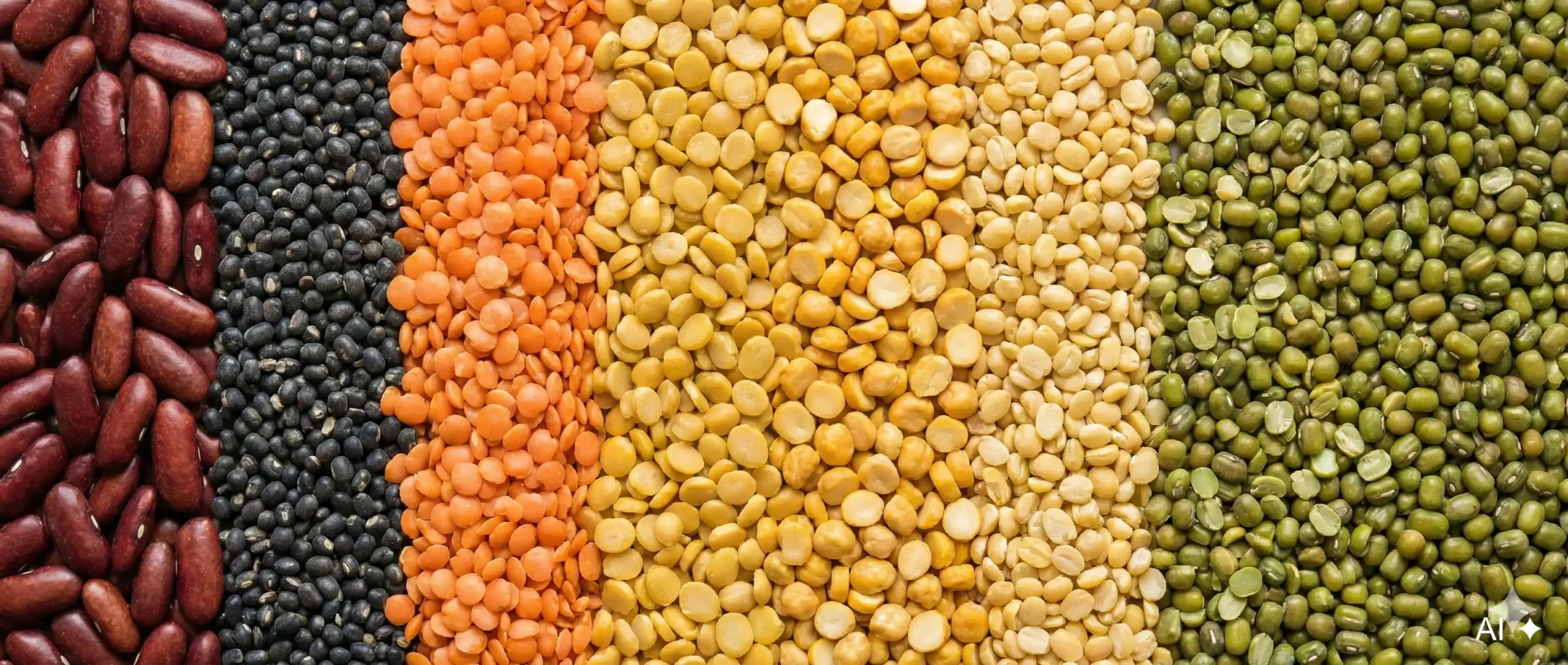
The first step in mastering dal is learning to recognize the ingredients. In this foundational post, we clarify the difference between lentils, beans, and pulses, and explain the processing steps that turn a whole legume into a split dal (Chilka) or a skinned dal (Dhuli). You’ll also learn how these transformations impact cooking time and final texture.
Part 2 – How to Cook Dal Properly: The Science of Soaking, Salt, and Heat
Status: Live
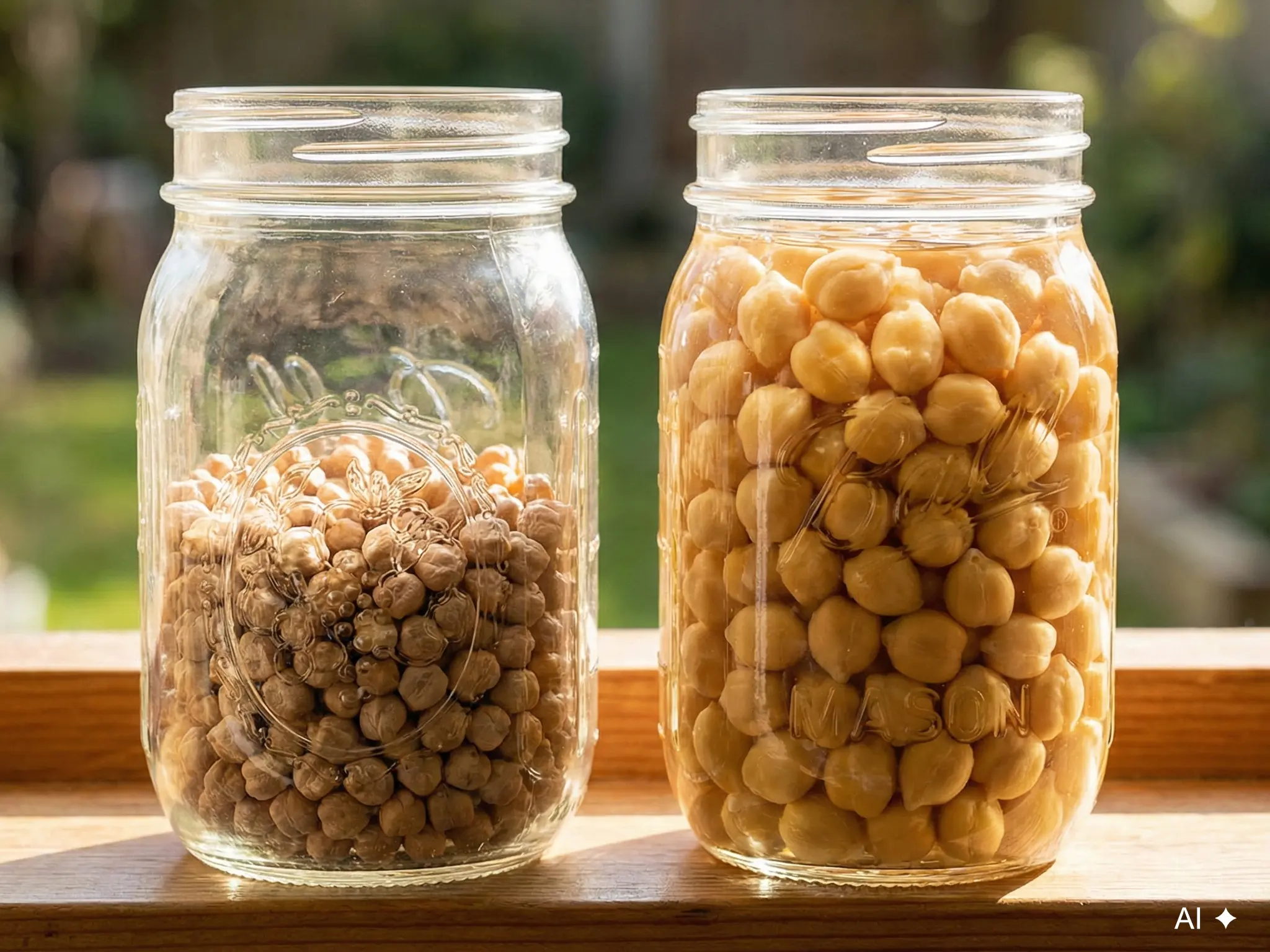
If you’ve ever cooked chickpeas for hours only to find they remain crunchy, the issue is not your stove—it’s chemistry. In this post, we examine the science of soaking and cooking dal, clarifying how each step affects texture. We also dispel myths about salt and identify the real factors that keep beans from softening: acidity and hard water.
Part 3 – Tadka Explained: Tempering, Browning, and Flavor Building in Indian Cooking
Status: Live
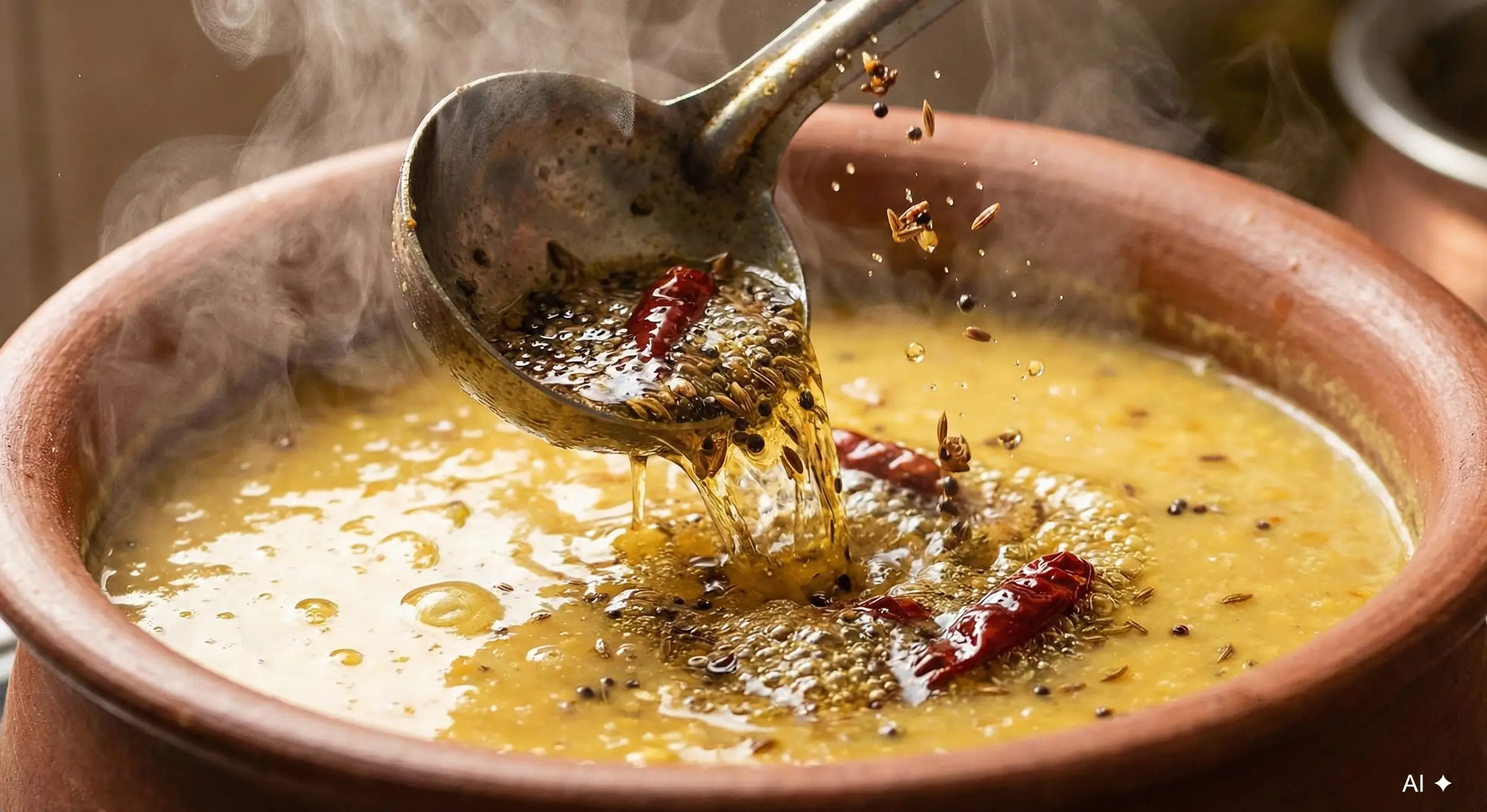
A bowl of boiled lentils may be nutritious, but it doesn’t become dal until you add flavor. In this post, we explore the chemistry behind browning and savory depth through the Maillard reaction, and we master the defining technique of Indian cooking: the tadka (tempering). We also reveal the traditional dhungar smoking method that imparts a tandoor-like char to home-cooked dishes.
Ready to Cook?
Now that you understand the science, try these recipes that utilize the techniques from The Decoding Dal Series. The more often you cook, the more confident you will become, and you will soon be creating your own dal recipes.