
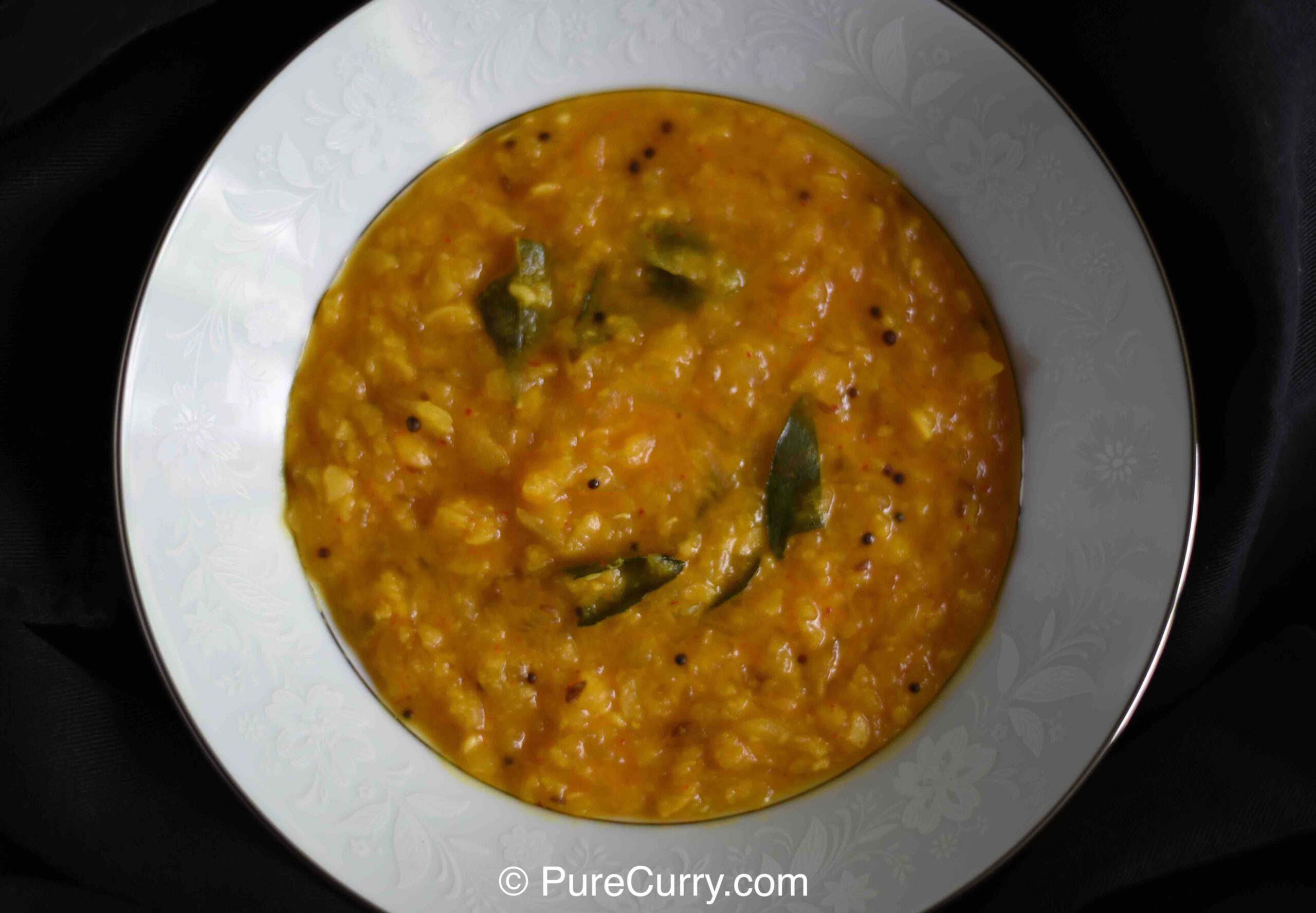
Cooking a dal is not a rigid recipe and there is a lot of opportunity for improvisation. Green Mango Dal is a simple variation on a classic dal and shows that once you understand the method, you can create endless versions by changing just one element. In this case, that element is raw green mango, which brings a bright, gentle sourness to an otherwise familiar bowl of dal.
Like many everyday Indian dishes, this recipe is less about rigid measurements and more about understanding a basic process. Once you know how to cook a pot of dal and finish it with a flavorful tadka, you can adapt it to the ingredients you have on hand.
This version is my take on a sour dal using split pigeon peas (toor dal), with green mango providing the acidity instead of tamarind or lemon. It’s cooked like any other dal—just tuned to a different mood.
Understanding the Dal Method
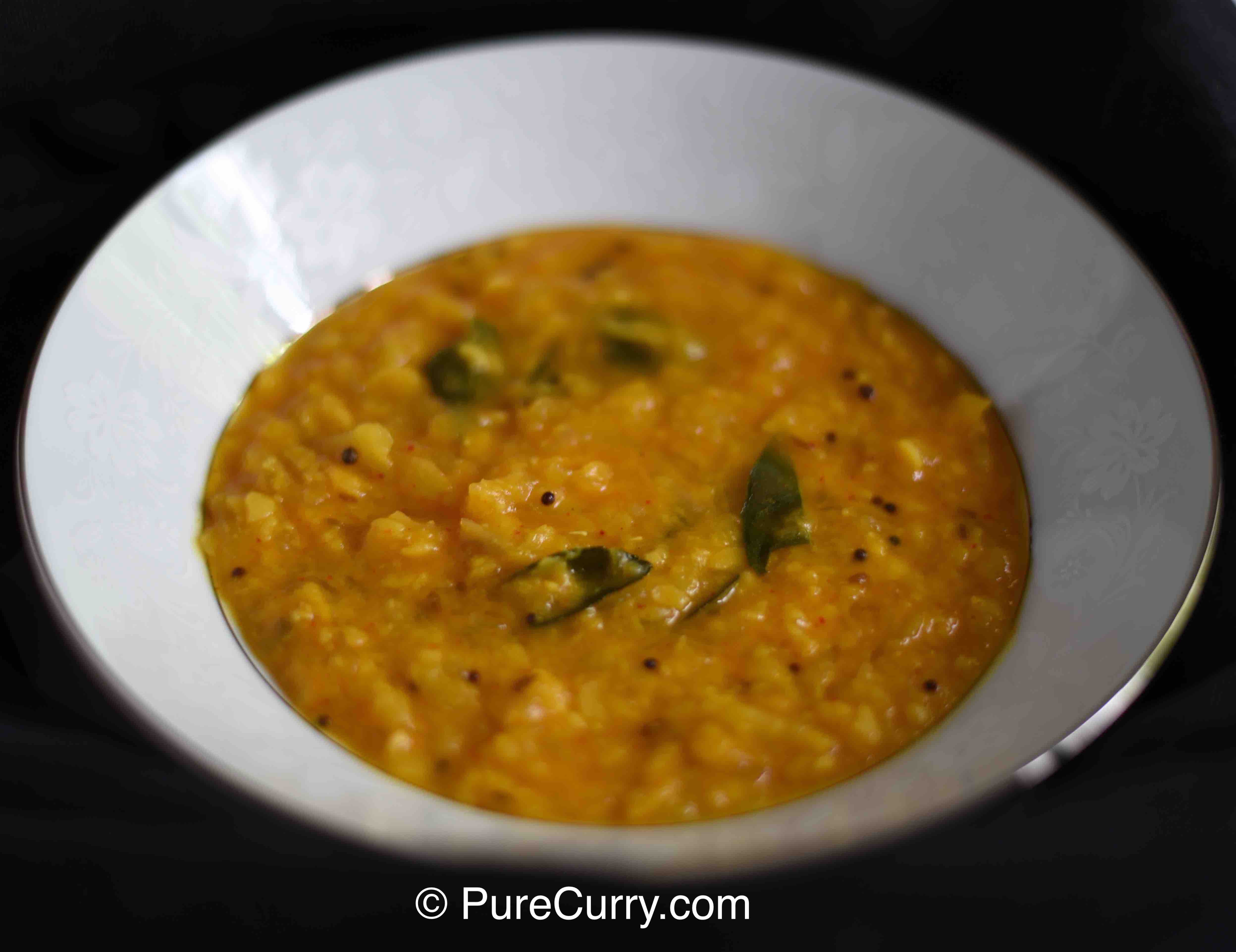
If you know how to cook a basic dal, you already know how to cook this one. The process remains the same:
- Rinse and soak the lentils.
- Cook them until soft and creamy.
- Finish the dish with a fragrant tadka of spices to shape the final flavor.
Common spices used in a tadka include mustard seeds, cumin seeds, curry leaves, turmeric, and dried red chili. Together they build the aromatic base that defines the character of the dish.
Sweetness and acidity are then adjusted to taste. Depending on the region and the cook, sourness might come from tamarind, lemon juice, dried mango powder (amchur), jaggery balanced with tamarind, or fresh green mango.
This flexibility is what makes dal such a powerful everyday dish. Legumes are a neutral, versatile base, designed to absorb whatever flavors you build around them.
Using Green Mango
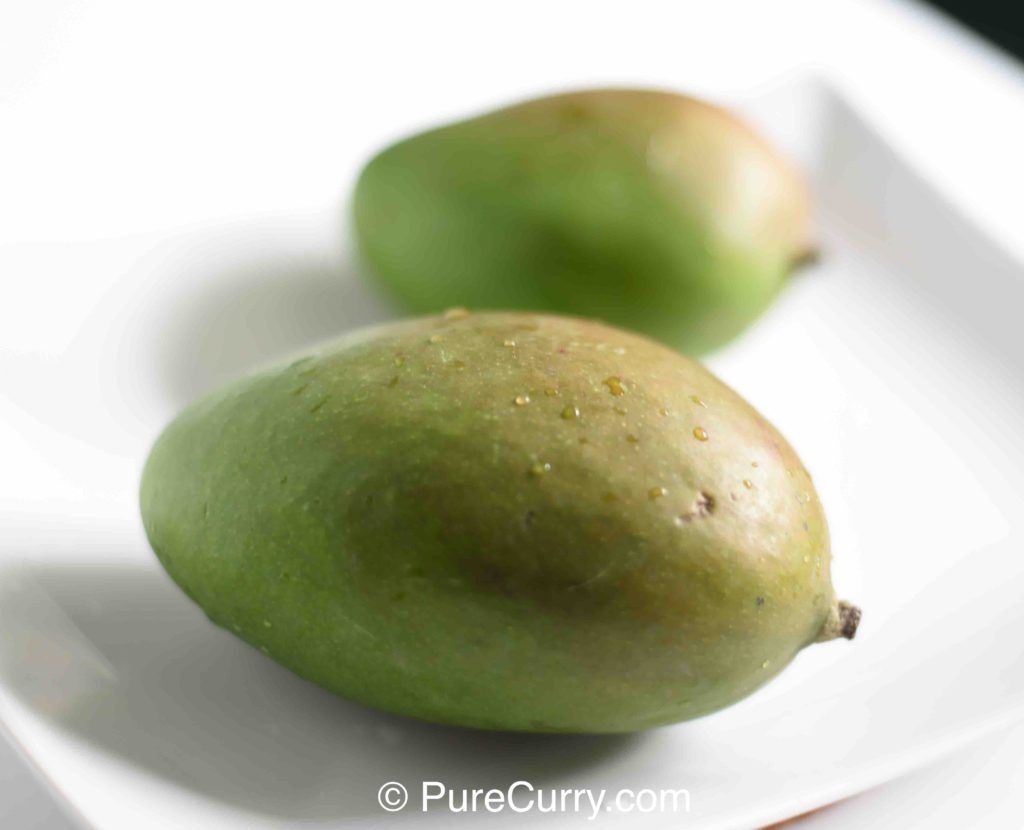
In this version, raw green mango replaces the usual souring agents. Unripe mango has a clean, bright acidity that gently sharpens the flavor of the lentils without overpowering them.
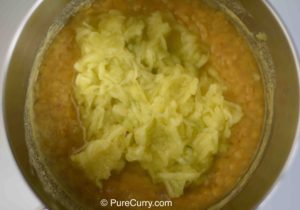
When grated and added to the cooked toor dal, the mango softens quickly and blends into the soup, giving the dal a refreshing tang that feels especially welcome during warmer months.
Choose firm, unripe mangoes that are pale green and tart. Their crisp texture makes them easy to grate and ensures the right balance of acidity.
Grating the Green Mango
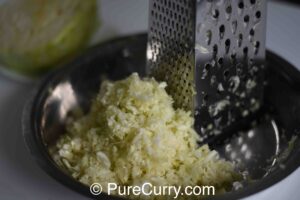
For this recipe, the mango is peeled and grated rather than chopped. Grating helps the fruit melt into the dal as it simmers, distributing the sour flavor evenly throughout the dish.
A sturdy box grater works best for this step. It quickly turns the firm mango flesh into fine shreds while also capturing the flavorful juices that come out during grating. Be sure to add those juices to the pot—they carry a lot of the mango’s tangy flavor.
The Box Grater I Use in My Kitchen
A sturdy box grater is one of the most useful tools in the kitchen. I use the Cuisinart Box Grater regularly to grate vegetables like turnips, carrots, and potatoes, as well as cheese, ginger, and garlic.
The four sides offer coarse and fine grating, slicing, and shredding, making it easy to prep ingredients for many recipes. For dishes like sabzi, I often use the coarse side so the vegetables cook faster and absorb the spices well.
It’s sturdy, sharp, and a reliable everyday kitchen tool. Click on the image for the affiliate link.

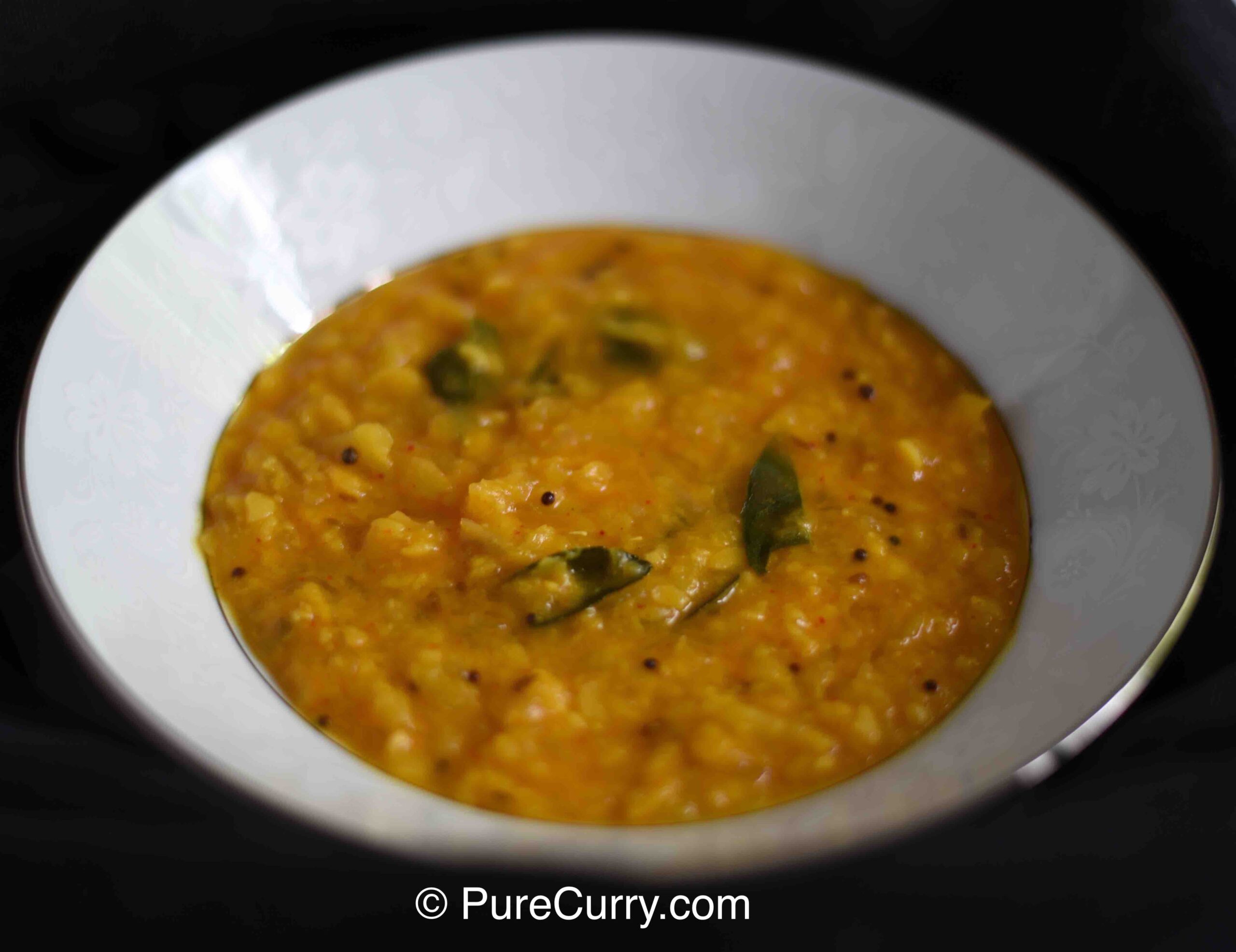
Dal with Green Mango
Ingredients
- 1 cup Split Pigeon Peas Toor Dal
- 1 Green Mango
- 1 tbsp Minced Garlic
- 1 pinch Asafetida
- 1/2 tsp Mustard Seeds
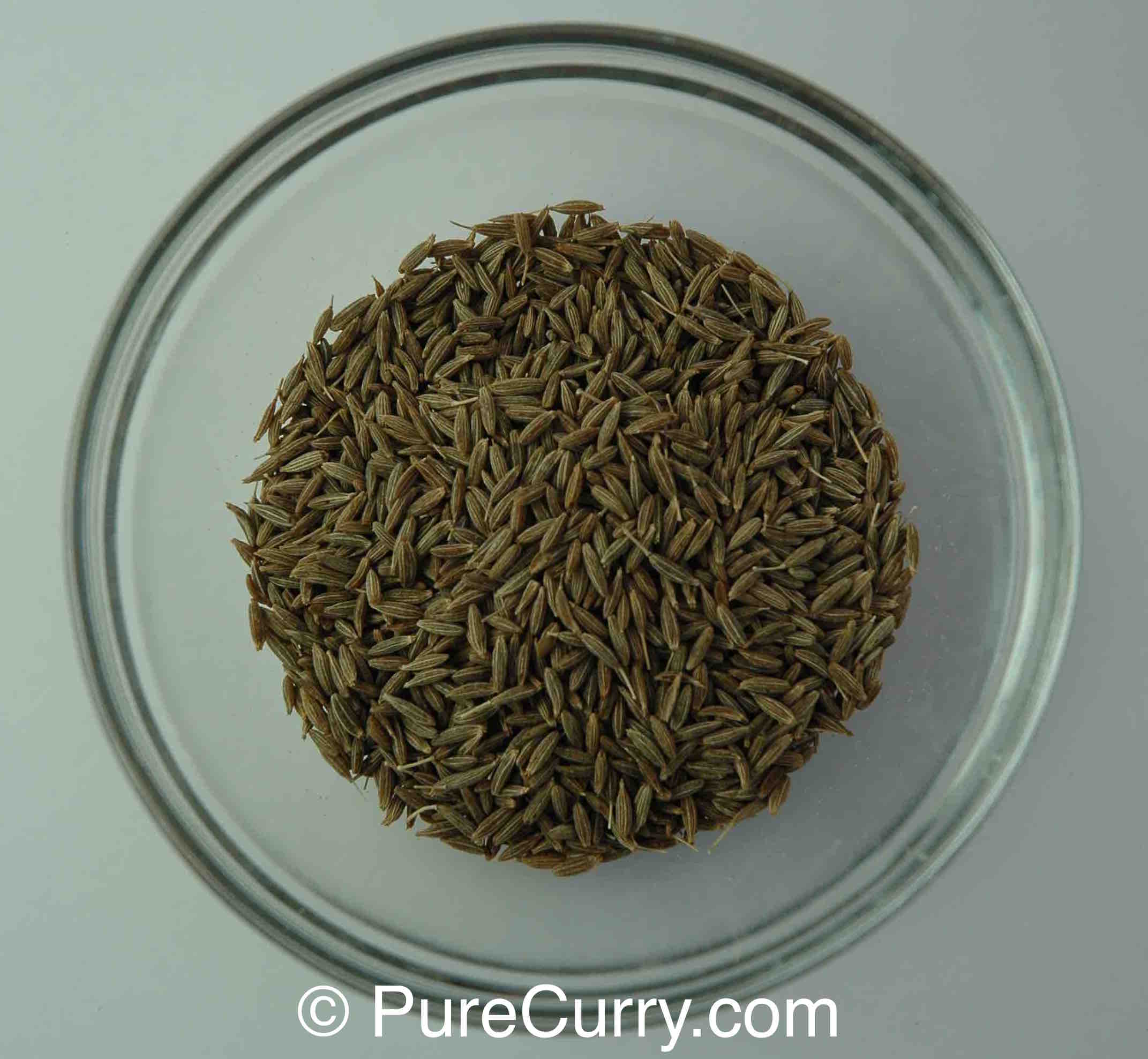
- 1/2 tsp Cumin Seeds
- 2 sprigs Curry Leaves
- 1.5 tsp Salt adjust to taste
- 3 tbsp Oil
Method
- Peel the green mango and grate the flesh using the coarse side of a grater. Save any juices released during grating.
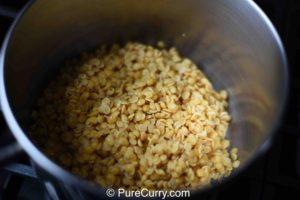
- Rinse and soak the Toor Dal for about 30 minutes.
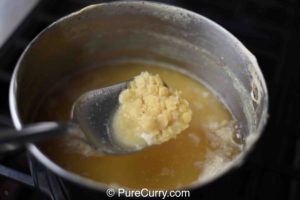
- After soaking, drain the soaking water and boil the Toor Dal in 6 cups of water with 1 tsp Salt for about 30 minutes, or until it is soft and mashes easily.
- Add the grated Green Mango to the pot, mix, and continue simmering on low for another 5 minutes.
- Heat about 1.5 tbsp Oil on medium heat in a heavy-bottomed pot and add the Cumin Seeds and Mustard Seeds.
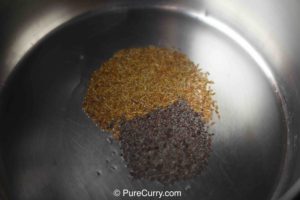
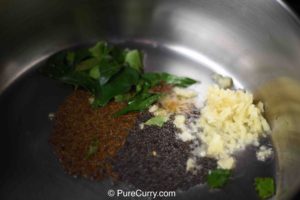
- When the seeds start to sizzle and crackle add the Curry Leaves, Minced Garlic, and Asafetida. Lower the heat to prevent the Cumin Seeds from burning, mix and fry for about a minute until the Garlic browns.
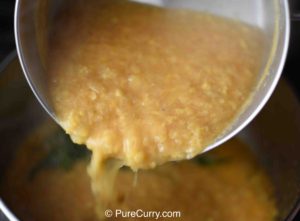
- Pour the cooked toor dal with the grated green mango into the pot and mix well so the oil and spices combine with the dal.
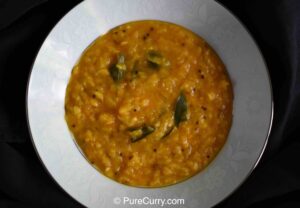
- Serve the Green Mango Dal hot with plain steamed rice.Like most dal, it also tastes wonderful eaten simply in a bowl on its own, with a spoon and perhaps a small piece of bread on the side.
Leave a Reply