
Chana Masala is one of the most beloved chickpea dishes in North Indian cuisine. Made with tender chickpeas simmered in a fragrant onion-tomato gravy and layered with warm spices, it is both hearty and deeply flavorful. The dish is comforting enough for a simple weeknight meal yet festive enough to serve when guests visit.
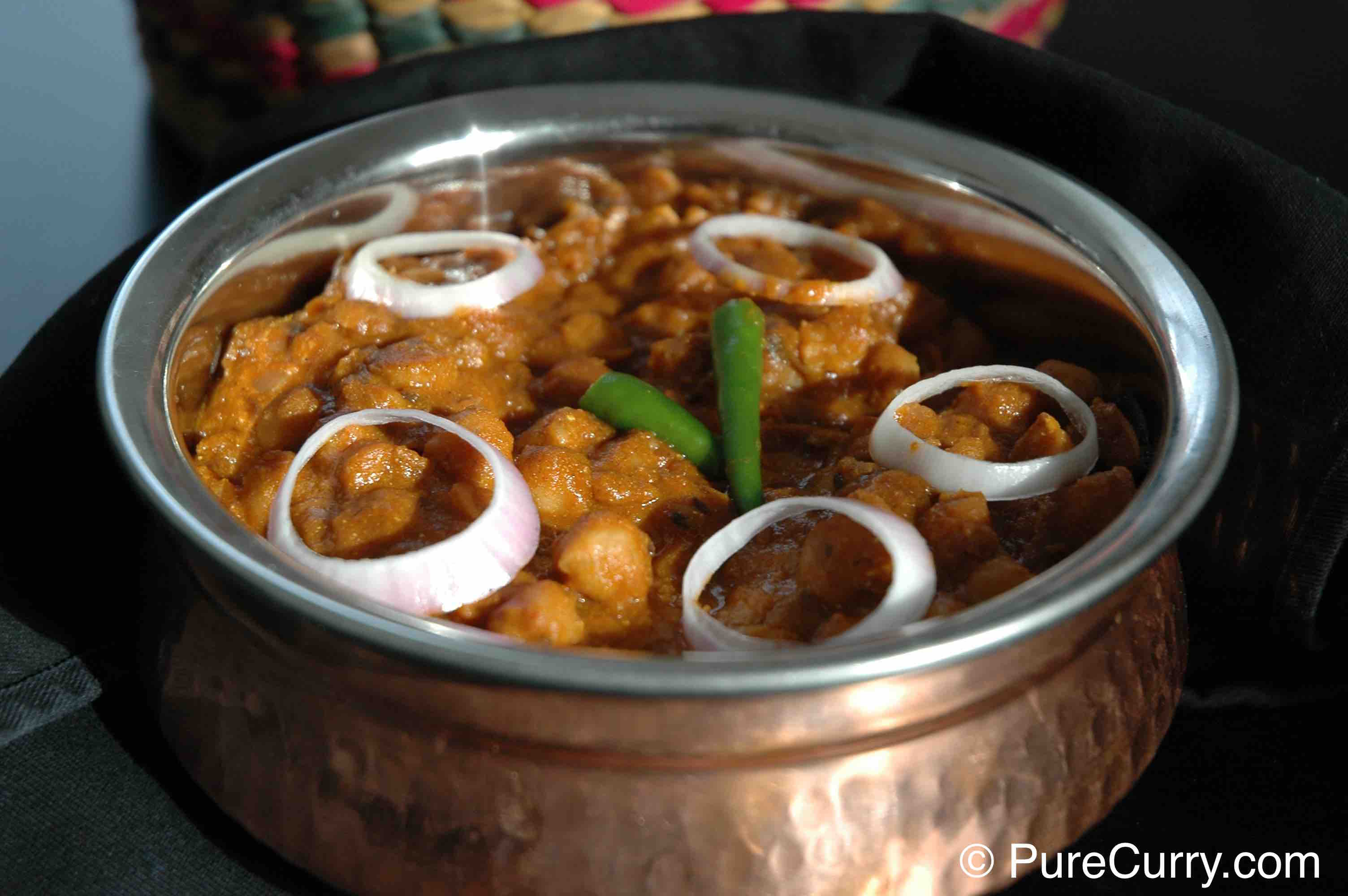
Chickpeas are one of my favorite ingredients — versatile, hearty, and delicious in so many ways. You can curry them, toss them in salads or chaat, enjoy them with rice or bread, pair them with fried dough like bhaturas, kulchas, or puris, or even eat them plain (my personal favorite!).
In this recipe, chickpeas are gently simmered with aromatic spices to create a flavorful gravy that pairs beautifully with rice or flatbreads.
Building Flavor with Whole Spices
One of the things that gives this Chana Masala its depth of flavor is the use of individual spices rather than relying entirely on a spice blend. Whole spices such as cinnamon, cardamom, cloves, and cumin release incredible aroma when briefly toasted in hot oil.
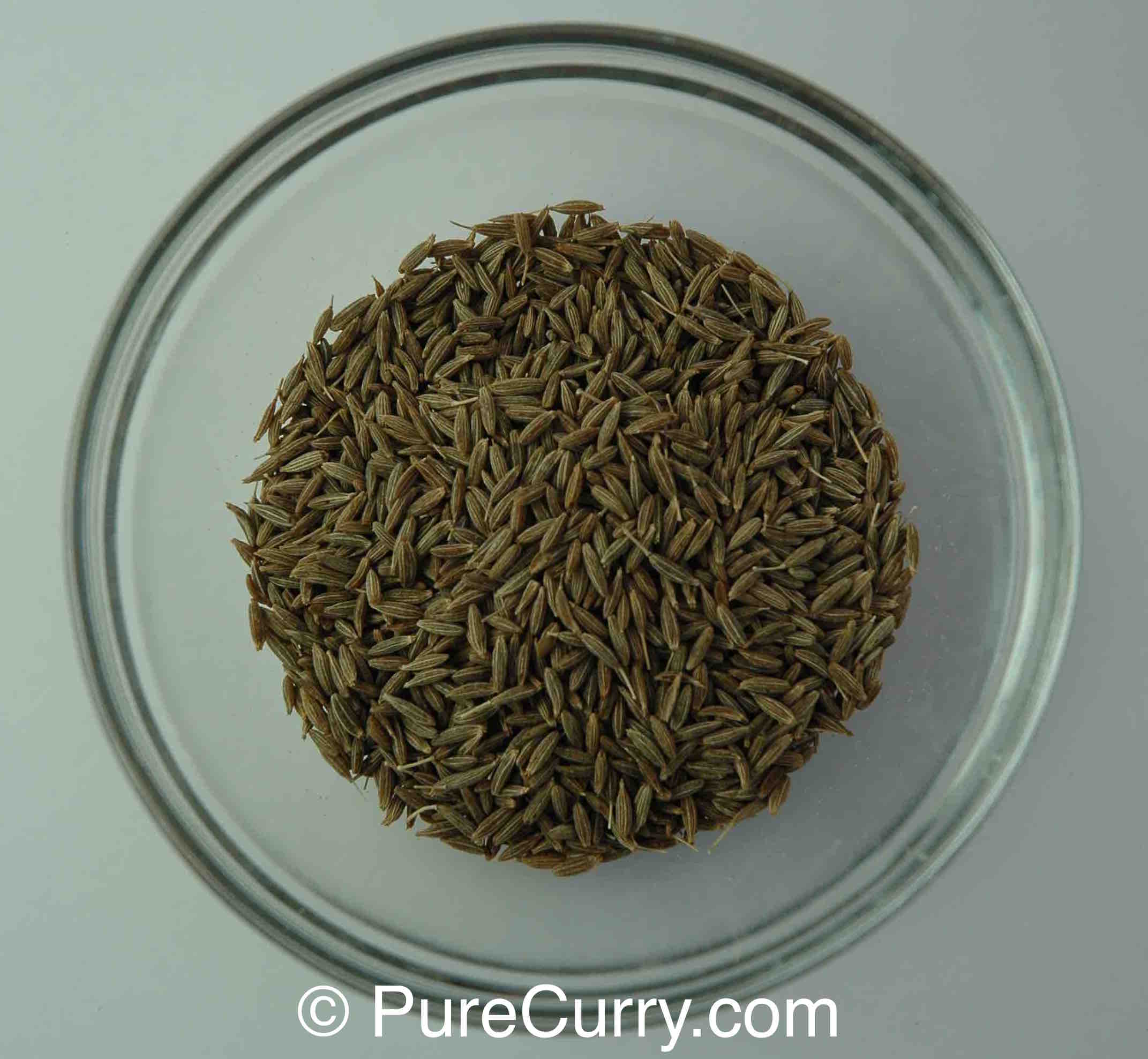
The cooking process usually begins by heating oil and adding cumin seeds. As they hit the hot oil, they begin to sizzle and release their earthy fragrance — a simple step that forms the aromatic foundation of many Indian dishes. If you’re unfamiliar with this technique, you can learn more in my post about sizzling cumin seeds and why this step is so important in Indian cooking.
After the spices bloom in the oil, onions, tomatoes, and ground spices are added to build a rich, savory base for the chickpeas.
Using Chana Masala Spice Blend
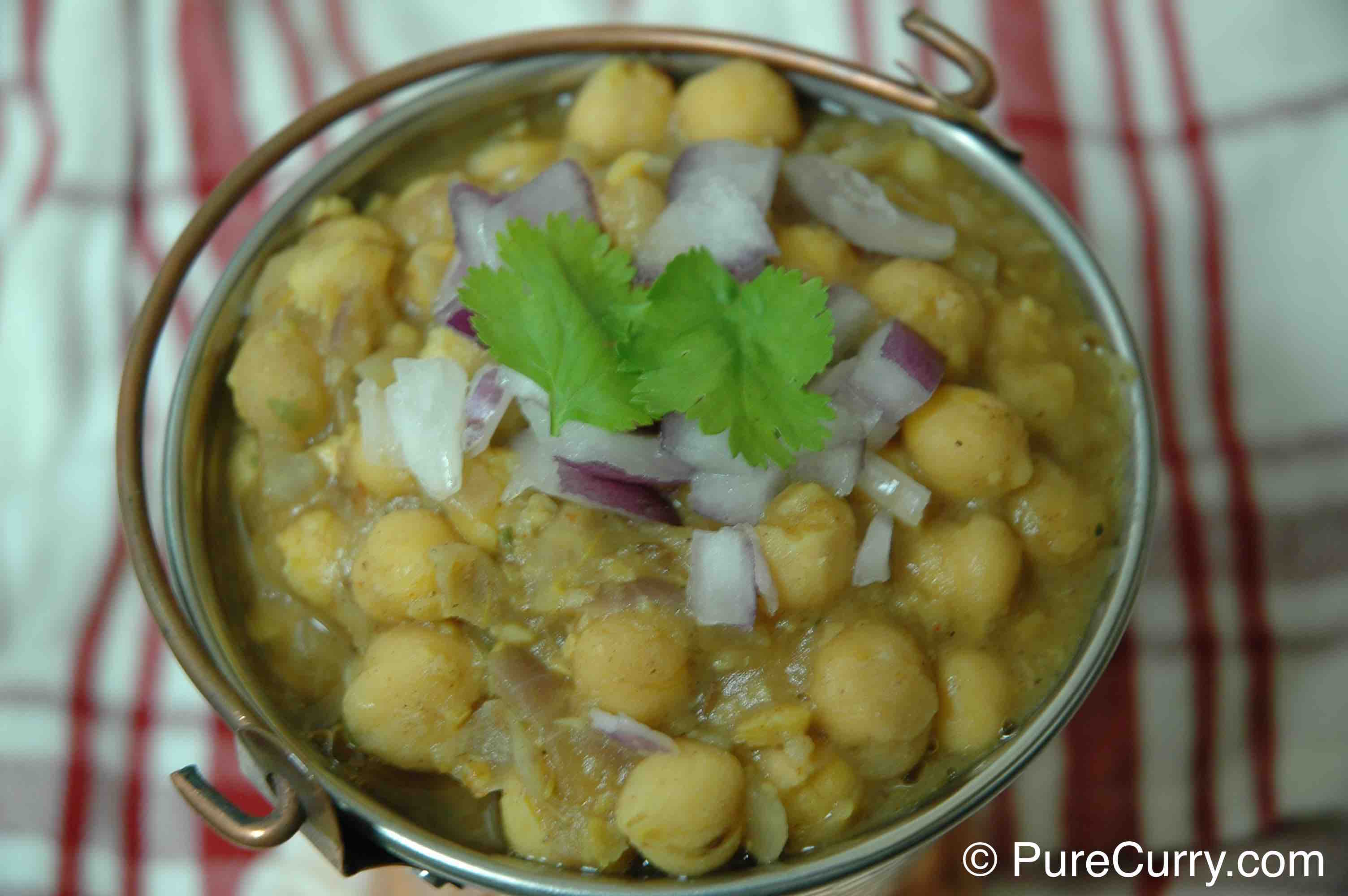
If you want a simpler approach, you can substitute the individual spices with Chana Masala powder. This pre-blended spice mix is widely available at Indian grocery stores and combines many of the traditional spices used in the dish.
While using individual spices allows you to control and layer the flavors, the spice blend is a convenient option that still produces excellent results.
Using Canned Chickpeas
Using canned chickpeas is a huge time-saver and makes this dish quick enough for everyday cooking. Simply drain and rinse them thoroughly before adding them to the curry.
If you prefer, you can also cook dried chickpeas from scratch. Many cooks enjoy doing this because it allows the chickpeas to absorb the flavors of the spices as they cook.
🧪The Science: Why Some Recipes Use Tea Leaves
You might notice that some traditional recipes call for adding tea leaves when boiling chickpeas. Historically, this was often done when chickpeas were cooked with baking soda. Because baking soda is alkaline, it can sometimes cause a yellowish tint or overly soft texture; the tannins in the tea react to create a deep, dark brown color and help maintain the structural integrity of the chickpea skin.
Today, many cooks add tea primarily to achieve that signature dark, rustic appearance typical of Pindi Chana. However, this step is optional; while it adds a very subtle earthiness, it does not significantly alter the primary spice profile of the dish.
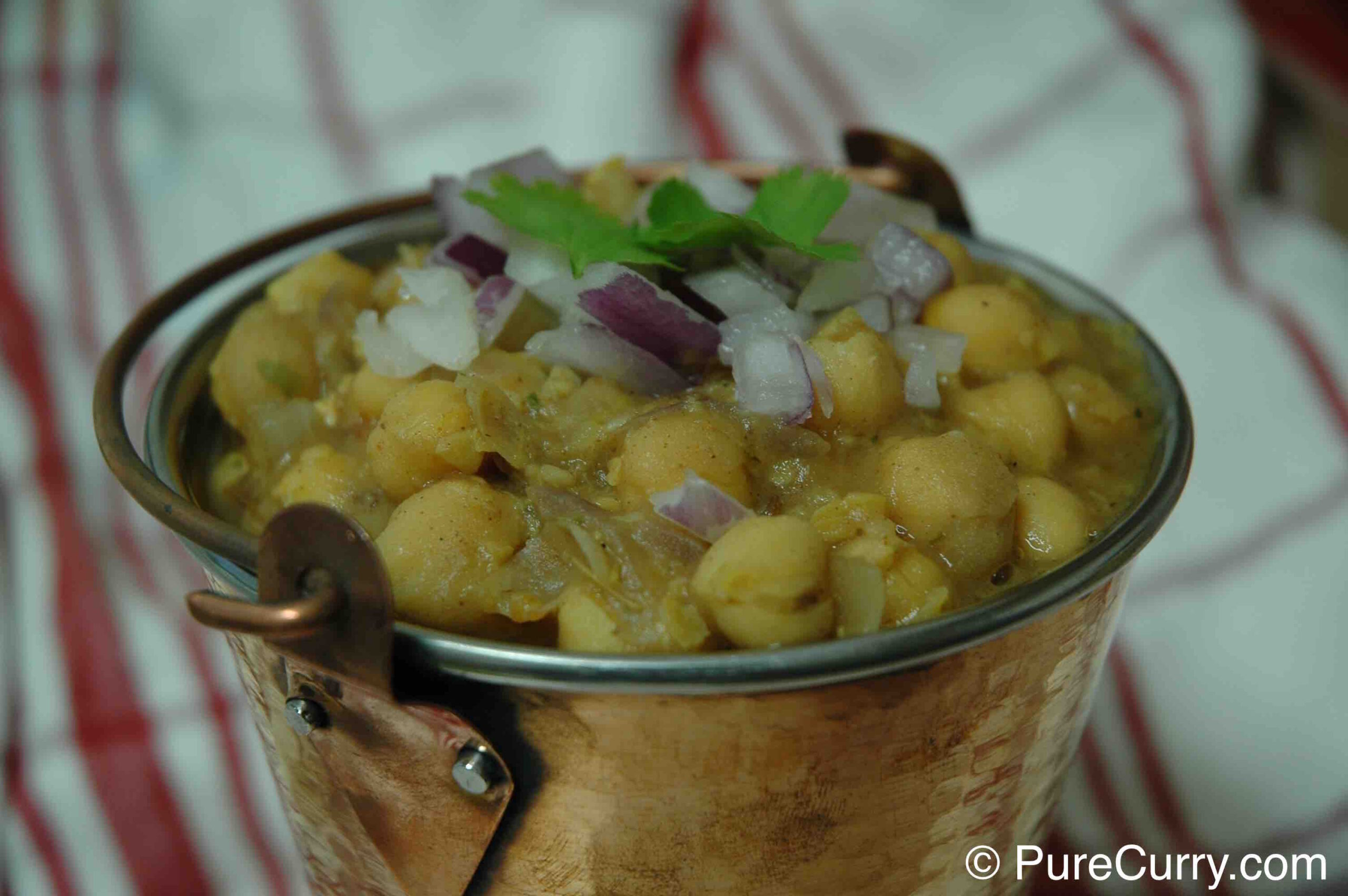
Chana Masala (Chickpeas)
Ingredients
- 2 lb Canned Chickpeas.
- 3 tbsp Olive Oil
- 1/2 tsp Cumin Seeds
- 1 Black Cardamom
- 1-2 Cloves
- 1 Bay Leaf
- 1 inch Cinnamon
- 1 Star Anise optional if you’ve added the other spices; I like to add this spice since it’s pretty
- 1 cup Onions Diced
- 1 tbsp Ginger-garlic paste
- 1 cup Tomatoes Diced/crushed/pureed
- 1 tsp Coriander Powder
- 1/2 tsp Kashmiri Red Chili Powder
- 1 tsp Garam Masala
- 1 tsp Dry Mango Powder Amchur
- 1/4 tsp Dried Fenugreek Leaves Kasuri Methi
Method
- Empty the can and drain the liquid out using a strainer. Run water through the strainer to wash away any remaining liquid from the chickpeas.
- Add the oil to a non-stick pan at medium heat and when it is hot add the cumin seeds, black cardamom and star anise.
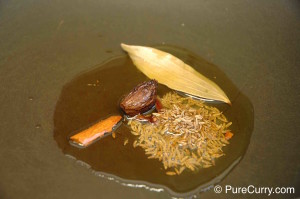
- When the cumin seeds start to sizzle, add the onions, mix well and cook for 2-3 minutes, add the ginger-garlic paste and continue cooking until the onions start to turn brown (another 5-6 minutes).
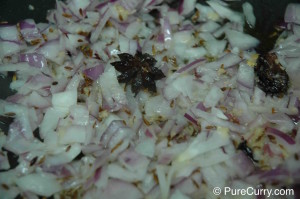
- When the onions turn brown add the tomatoes, mix well and continue cooking on medium heat, until the tomatoes are cooked.
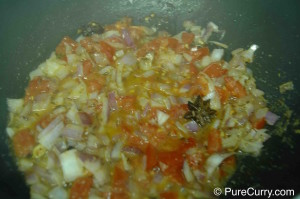
- After about 5 minutes when the tomatoes seem to be cooked, add the chickpeas, coriander powder, red chili powder and mix well.
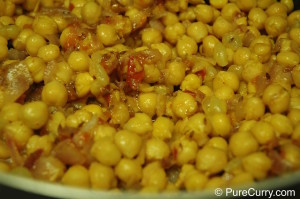
- Add the dry mango powder and dried fenugreek leaves, and mix well.
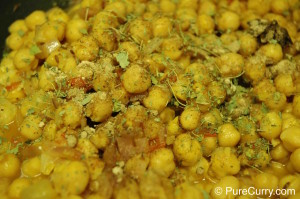
- Gently mash some of the chickpeas with the edge of your spatula.
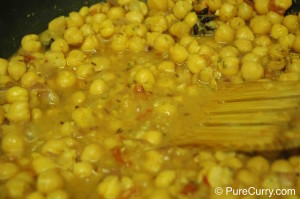
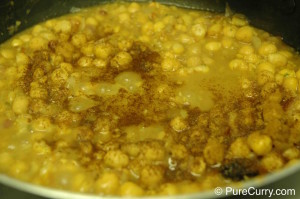
- Add the garam masala powder and mix well.
Leave a Reply