

Growing up in my home, dishes made with rich ingredients like nuts, mawa (milk solids), or cream were reserved for special occasions. Shahi Paneer is one such celebratory dish — indulgent, creamy, and deeply aromatic. The word shahi means “royal,” and this dish lives up to its name with a luxurious sauce traditionally inspired by Mughlai cuisine.
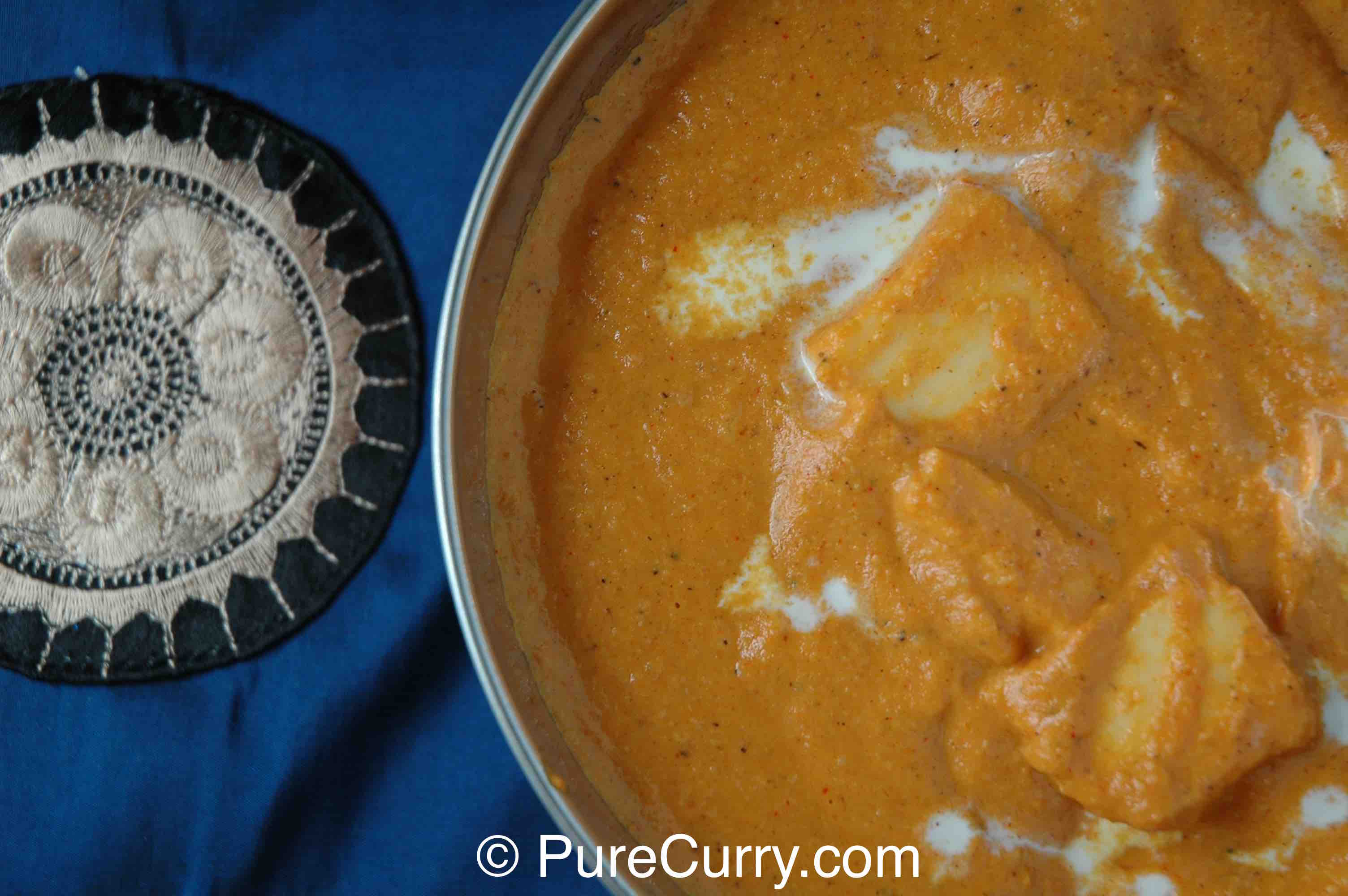
What Makes Shahi Paneer Different?
The sauce in Shahi Paneer (often referred to as Mughlai sauce) is frequently confused with makhani sauce – the base used in dishes like Butter Chicken.
Although they look similar, there are key differences:
- Texture: Mughlai sauce is thicker and richer.
- Ingredients: Traditional makhani sauce does not include onions or nuts, while Shahi Paneer relies on both.
- Richness: Shahi Paneer uses cashews and minimal water to maintain a velvety consistency.
- Flavor Profile: Mughlai gravies tend to be more aromatic and slightly sweeter, with warm spice undertones.
This recipe gives you the option of using whole spices (for deeper, layered flavor) or simplifying with ready-made garam masala.
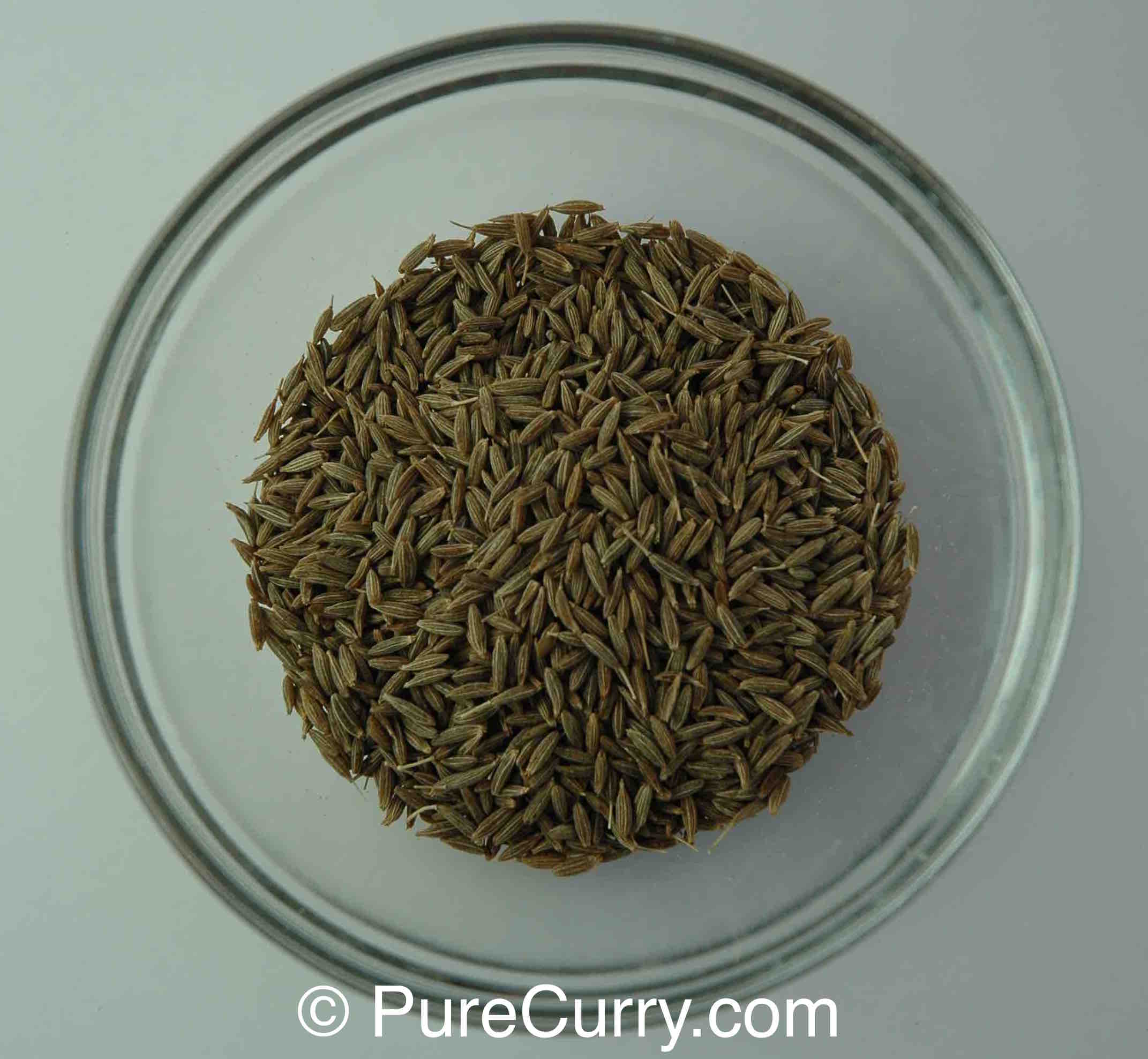
If you’re new to tempering spices, I recommend reading my post on the technique of sizzling cumin seeds (jeera tadka), which explains how blooming spices in hot oil builds the foundation of flavor in Indian cooking.
Shahi Paneer
Ingredients
- 8 oz Paneer
- 3 tbsp Olive Oil
- 1 cup Red Onions
- 3 cups Tomatoes
- 2 Green Chilies optional
- 1/4 cup Cashews
- 1 tsp Salt adjust to taste
- 1 tbsp Ginger-garlic paste or equivalent quantity of whole Ginger pieces and Garlic Cloves
- 1/2 cup Heavy Cream
- 1/2 tsp Kashmiri Red Chili Powder
- 1 tbsp Coriander Powder
- 1/4 tsp Turmeric Powder
- 1/2 tsp Cumin Powder
- 1/2 tsp Dried Fenugreek Leaves Kasuri Methi
- 1 tbsp Chopped Cilantro
- Sugar optional, if needed
- 1 inch Cinnamon
- 4 Green Cardamoms cracked open
- 2 Cloves
- 6 Black Peppercorns optional
- 1/2 tsp Garam Masala Powder
Method
- Chop the onions and dice the tomatoes.
- Cut up the paneer into rectangular pieces about 1.5 inches long. If the paneer is firm, soak it in warm water for 15–20 minutes to soften.
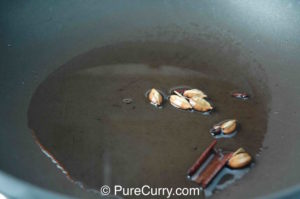
- Heat 2 tbsp oil in a pan on medium heat; add the whole spices (if using) and bloom them in the oil for a minute to flavor the oil. NOTE: If you are using the Garam Masala powder instead, then you will add it later.
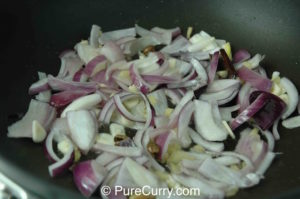
- Add the ginger-garlic paste, chopped chillies and onions and sprinkle a little salt on them (to speed up the cooking) and cook for 2-3 minutes.
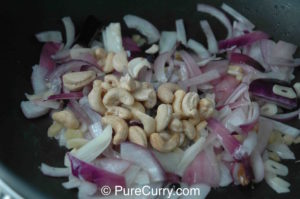
- Add the cashews and stir the contents of the pan until all the ingredients are mixed together, and cook for another 2-3 minutes.
- Add the tomatoes and about 3/4 tsp of salt and mix the contents of the pot well.
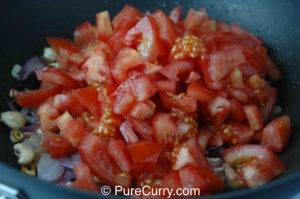
- Add the powdered spices including red chili powder, coriander powder, cumin powder and turmeric. DO NOT add the Garam Masala powder (if using) as yet.
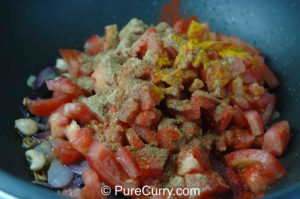
- Cook the tomatoes until they completely soften (around 6-8 minutes), stirring every minute or so. If the pan starts to dry up, you can add a little hot water.
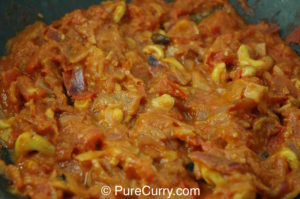
- Turn off the heat and let the sauce cool for a few minutes. Transfer it into a blender.
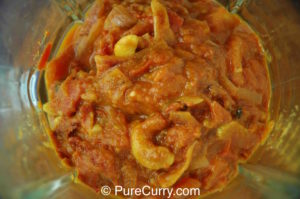
- Puree the mixture in the blender.
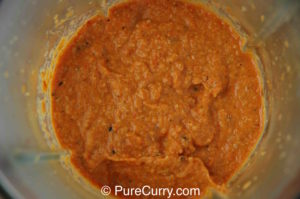
- When adding back the puree to the pan, it is strained to give a restaurant-style finish. However, if you blend it well so that the whole spices are fully disintegrated into the sauce, you can skip the straining.
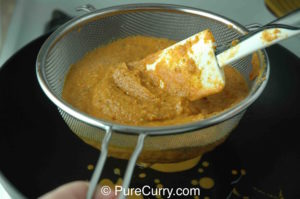
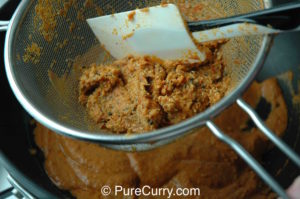
- Add 1 tbsp oil into a clean pan on medium heat and add the strained puree. You could strain the puree directly into the pan.NOTE: Straining the puree gives a restaurant-style finish. You can skip the straining step if you like, and I do that often to speed things up. It's really your choice.
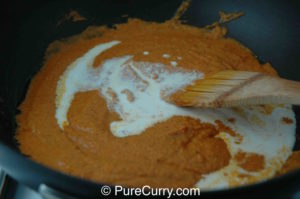
- Add the cream and simmer gently.
- Crush the dried fenugreek leaves (kasuri methi) between your palms and add to the sauce. If using garam masala, add it now.
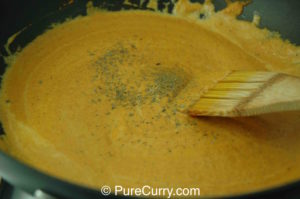
- Taste the sauce and adjust salt as needed. If you did not use ripe tomatoes and the sauce is a little sour, add sugar to balance the sourness.
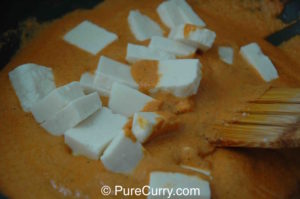
- Add the paneer and mix it into the sauce taking care to not break the pieces, and simmer for 3–4 minutes.


Leave a Reply